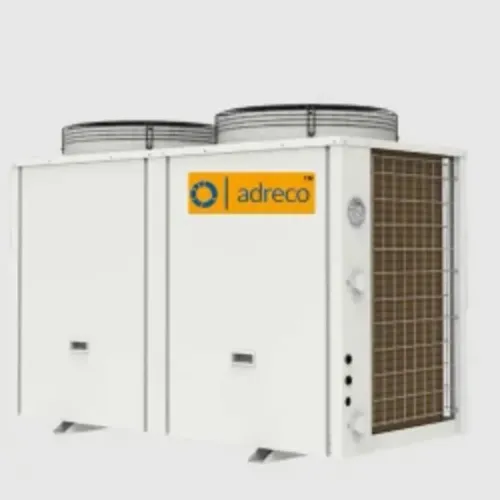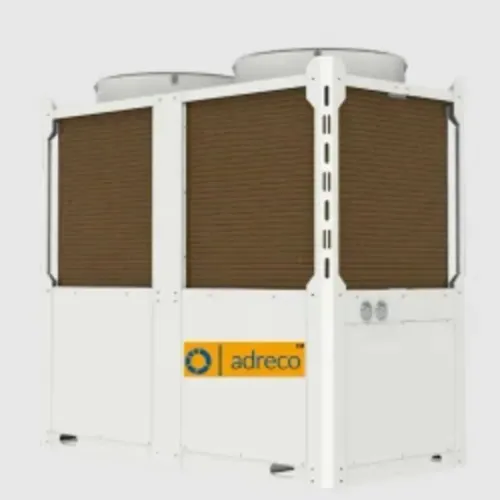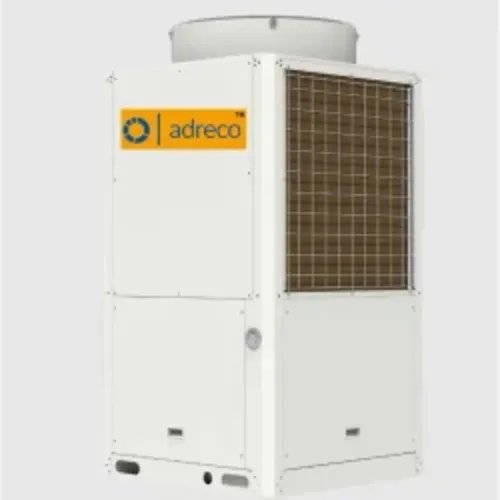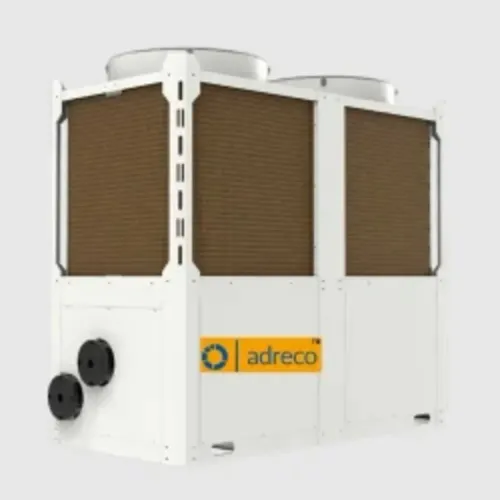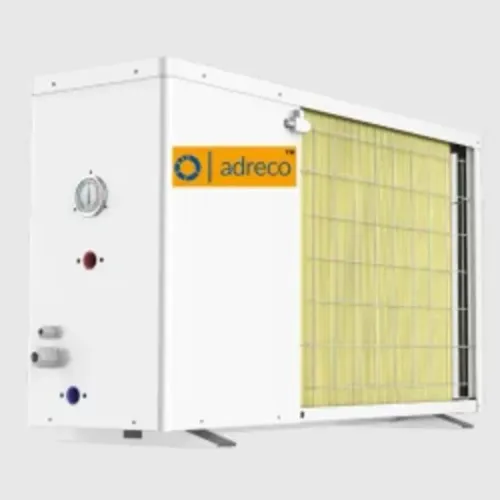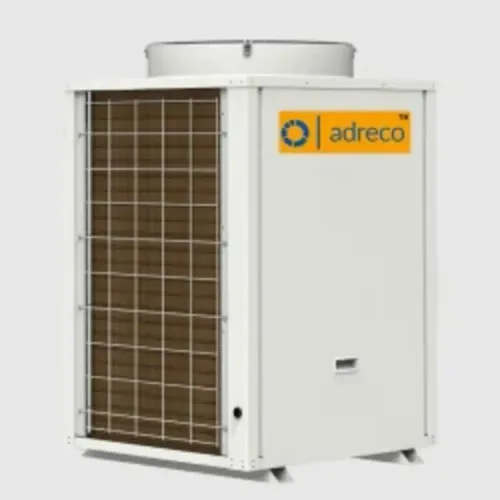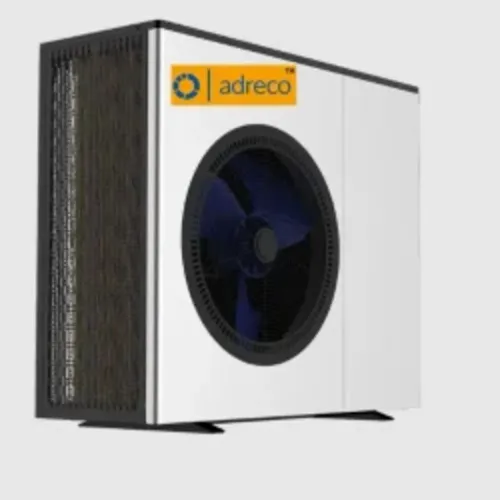
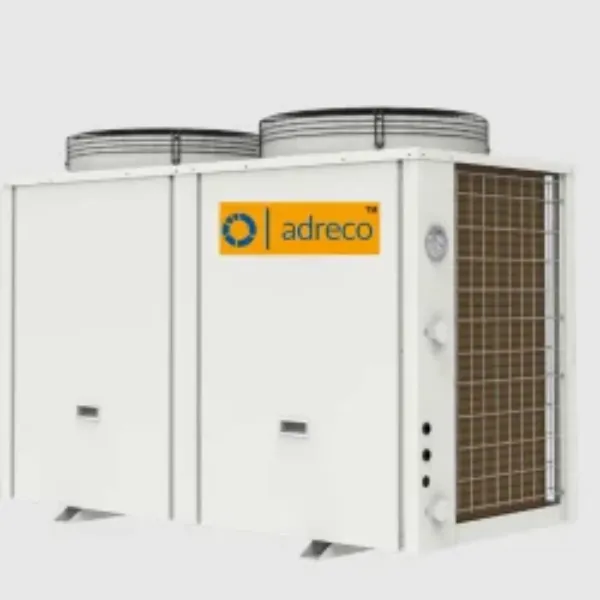
Commercial properties often require large quantities of heat for hot water, indoor heating, process applications, or other operational needs. Hotels, hospitals, institutions, factories, hostels, and similar facilities may run heating equipment for many hours each day. This makes energy performance an important consideration when planning a new system or replacing older equipment.
A Commercial Heat Pump offers a different approach to conventional resistance-based electrical heating or some fuel-fired systems. Instead of producing all required heat directly from electricity, a heat pump transfers heat from a source such as ambient air to the required application.
What Makes Heat Pumps Different?
A heat pump operates through a refrigeration cycle.
The system absorbs available thermal energy from the surrounding environment, raises its temperature through compression, and transfers that heat to water or another medium.
Electricity is still required to operate the compressor, fans, pumps, and controls, but the system's principle is based on heat transfer.
Actual efficiency depends on several factors, including:
- Ambient temperature
- Required outlet-water temperature
- Equipment design
- Heat exchanger performance
- Installation conditions
- System sizing
- Operating schedule
This is why published specifications should always be interpreted in relation to the intended application.
Where Can Commercial Systems Be Used?
Commercial heat pumps can support a range of applications.
Hotels may use them for centralized hot-water requirements. Hospitals and hostels can have substantial daily demand for bathing, cleaning, kitchens, and other facilities.
Commercial buildings may use heat pumps for space heating, while swimming facilities can use appropriately designed equipment to maintain pool-water temperatures.
Some industrial applications may also benefit where the required temperature range is compatible with the selected equipment.
Understanding COP
One term buyers frequently encounter when researching heat pumps is coefficient of performance, or COP.
COP describes the relationship between useful heating output and electrical energy consumed under specified operating conditions. A higher stated COP indicates more heat output relative to electricity input at that particular test point.
However, COP is not a fixed number under every condition.
Changes in outdoor temperature and required water temperature can affect performance. For that reason, project owners should avoid comparing equipment using a single headline efficiency figure alone.
Expected seasonal and site-specific operating conditions matter more.
Why Correct Sizing Is Important
Oversizing does not automatically improve a heating system.
An excessively large unit can increase initial investment and may create undesirable operating cycles. Undersizing can result in longer operating periods or difficulty meeting peak demand.
The design process should begin with the actual heating load and usage profile.
For hot-water applications, this includes daily water demand, peak consumption periods, storage capacity, required temperature, incoming water temperature, and recovery time.
Consider the Complete System
A heat pump is only one component of a heating installation.
Storage tanks, circulation pumps, piping, insulation, controls, backup arrangements, and heat distribution all influence overall performance.
Properties in Chandigarh also need to account for seasonal outdoor temperature changes when evaluating air-source equipment.
Adreco Engineering Pvt Ltd provides heat pump and heating solutions for different commercial applications. A technically informed selection process should focus on matching equipment performance with the building's actual requirements rather than choosing a system only by nominal capacity.
A Commercial Heat Pump can be a practical option where heating demand, operating hours, temperature requirements, and system design align well. The best results come from evaluating the complete application and expected operating conditions before installation.
Keywords