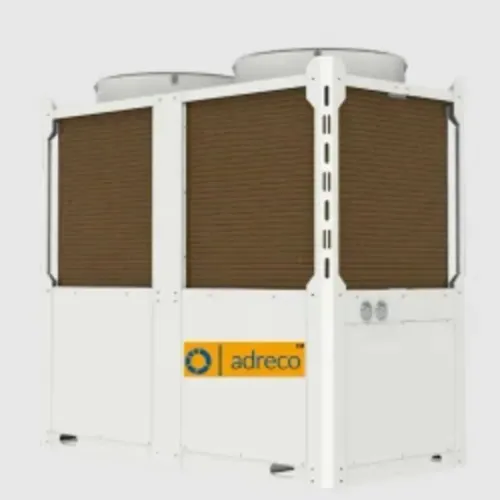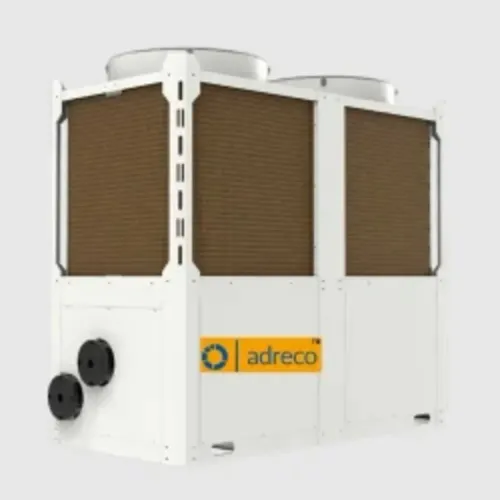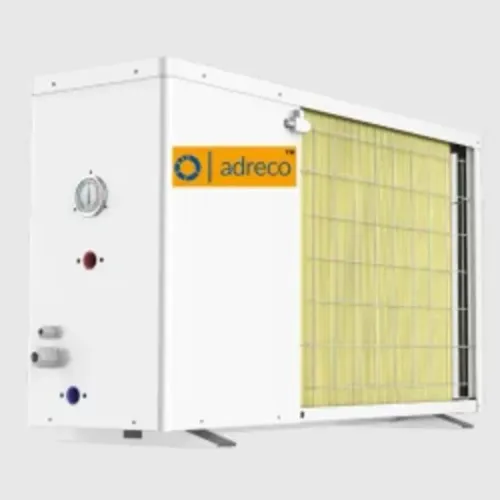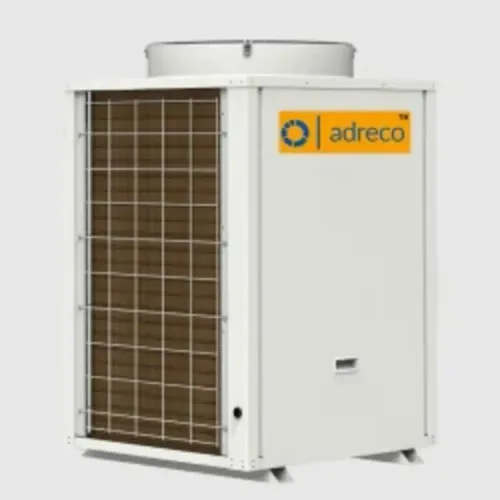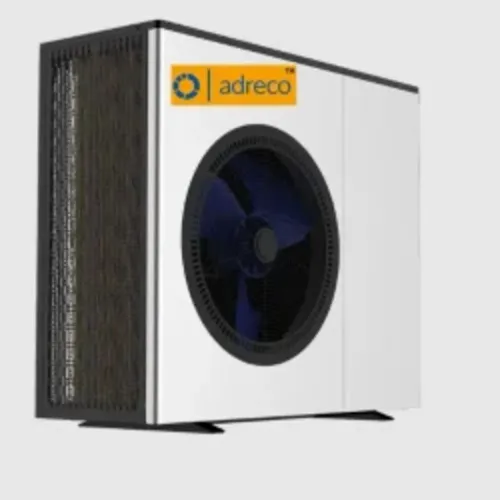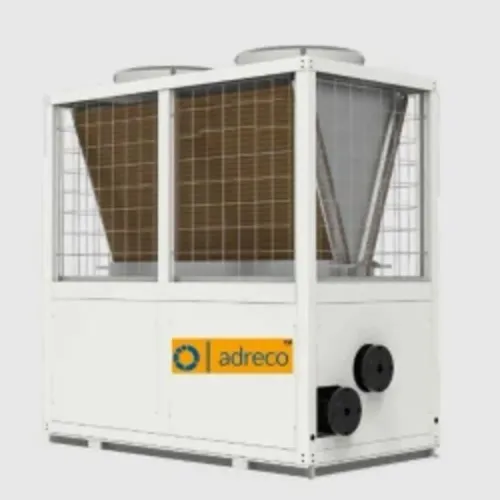
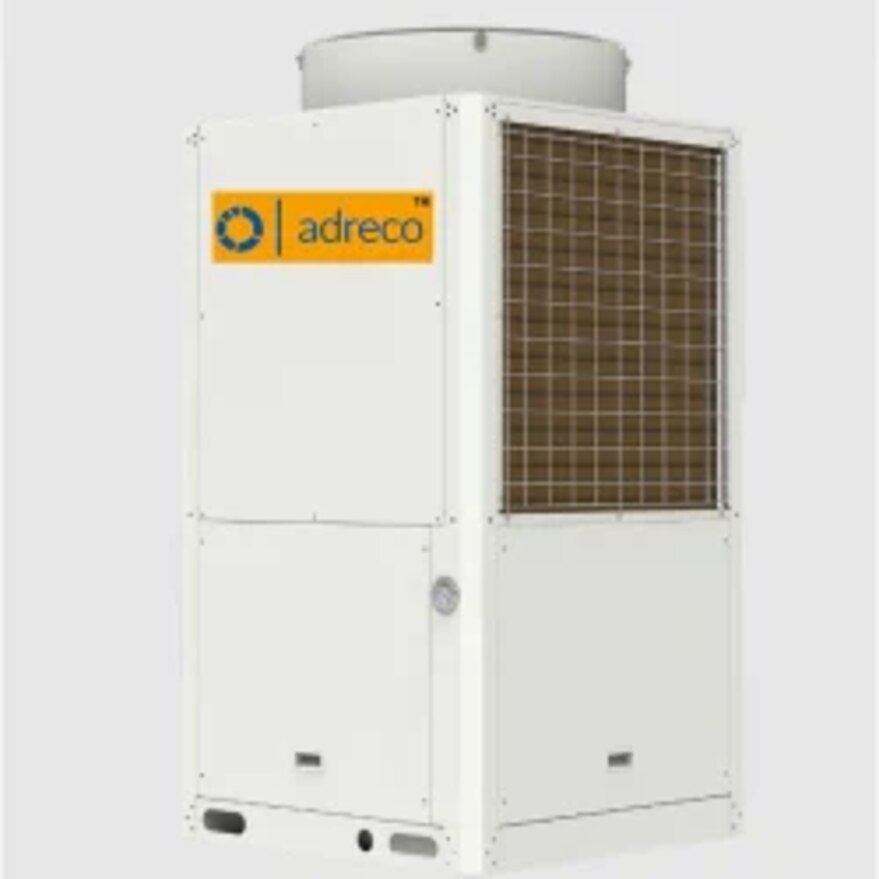
A heat-pump water heater does not heat water by passing all its electricity through a resistance element. It captures heat from air, concentrates it with a refrigeration cycle, and transfers it into a storage tank; by the end, you will know how that process affects energy use, hot-water availability, sizing, and installation.
Key takeaways
- The refrigeration cycle transfers heat from air into stored water.
- Moving heat requires less electricity than generating heat with a resistance element.
- Size the tank for your household’s busiest hot-water period.
- Protect efficiency with correct airflow, insulation, drainage, and electrical installation.
How the Refrigeration Cycle Heats the Water
Heat pump water heater working follows a closed refrigeration cycle that carries heat from outdoor air into a hot-water storage tank. The refrigerant absorbs low-temperature heat from the air, even when the air feels cool to you.
1. The evaporator draws air across a coil. Heat from that air boils the cold refrigerant into a gas, while the leaving air becomes cooler and moisture can condense.
2. The compressor squeezes the refrigerant gas. Its pressure and temperature rise, creating a hot refrigerant ready to release heat.
3. The hot gas enters the condenser coil, which sits against or inside the water tank. Heat crosses the coil wall into the stored water, while the refrigerant cools and changes back toward a liquid.
4. An expansion valve sharply reduces the refrigerant’s pressure. The refrigerant becomes cold again and returns to the evaporator, so the cycle repeats.
The compressor uses electricity to move heat; it does not supply all the water’s heat directly. A built-in resistance element can assist during rapid recovery or provide backup, but it heats water by a different method.
The tank still loses some heat through its insulation and pipes, so standing losses remain even when the refrigeration cycle is switched off.
Why Moving Heat Uses Less Electricity Than Making Heat
A heat-pump water heater moves heat instead of creating it, so its coefficient of performance can exceed 1. At a stated test condition, COP 3 means roughly three units of heat enter the water for each unit of electricity consumed; an electric resistance water heater delivers about one unit of heat per unit of electricity.
| Option | Why it uses more or less energy | Practical trade-off |
|---|---|---|
| Heat pump | Moves heat from air; COP can reach 3 under test conditions | Lower electricity use, but performance falls with colder air, hotter water, poor airflow, or resistance backup |
| Resistance storage | Converts electricity directly into heat; COP is about 1 | Simple and fast to install, but commonly uses two to three times more electricity for the same hot-water service |
| Gas geyser | Burns fuel directly to heat water | A gas geyser comparison depends on fuel price, combustion efficiency, ventilation, and flue losses; it also adds on-site combustion and exhaust |
| Solar water heater | Uses sunlight rather than purchased electricity while solar heat is available | Output varies by weather and season, so backup heating and roof space remain necessary |
| Instantaneous electric | Heats water directly as it flows; COP is about 1 | Avoids tank standby loss, but demands high electrical power and can struggle with flow rate or cold incoming water |
The advantage is not zero energy use. The storage tank still loses heat, and uninsulated pipes, high temperature settings, recirculation pumps, and frequent reheating raise consumption. Resistance elements used for rapid recovery also reduce the advertised efficiency.
A low-carbon electricity supply increases the emissions benefit; a fossil-heavy grid reduces it, although electricity consumption still falls versus resistance heating.
What Temperature, Recovery Speed, and Cold Weather Mean in Practice
A rated maximum temperature tells you how hot the stored water can become, not how fast the tank reaches that temperature. A heat pump water heater’s recovery rate depends on tank size, incoming-water temperature, air temperature, compressor capacity, operating mode, and whether the backup heating element is running.
Use these figures to judge delivery:
- First-hour rating: the litres of hot water available during the first hour, combining stored hot water with heat recovered during that hour.
- Recovery rate: the amount of hot water the unit can replace after a shower or bath under stated test conditions.
- Uniform energy factor (UEF): an efficiency comparison from a standard test, not a promise of identical results in your home.
A high UEF does not guarantee rapid recovery. A unit can use little electricity in heat-pump mode yet take longer to reheat a depleted tank than a resistance heater. Switching on the backup heating element speeds recovery but raises electricity use.
Cold weather changes the result again. The unit extracts less useful heat from colder air, and a defrost cycle temporarily diverts energy to clear frost from the outdoor coil. In a heated room, the heater also cools and dehumidifies that space, which can increase the building’s heating demand.
Ask for the first-hour rating, recovery rate, test air temperature, target water temperature, and performance with resistance assistance before comparing models.
How to Size the Tank for Your Household’s Peak Demand
Choose tank capacity by matching the unit’s first-hour rating to your household’s peak morning demand, not by comparing litres alone. The first-hour rating combines usable stored hot water with the heat the heater can add during one hour.
Estimate hot water demand from actual use:
- Showers: measure litres per minute and multiply by shower duration.
- Baths: measure the filled volume, including hot and cold water.
- Closely spaced uses: add every shower, bath, and tap draw that occurs before recovery.
| Demand pattern | What to measure | Sizing implication |
|---|---|---|
| Showers | Flow rate × minutes × number of users | Check first-hour rating against the combined draw |
| Bath | Filled bath volume and desired temperature | Allow extra stored capacity for a large single draw |
| Morning sequence | All draws within one hour | Prioritise first-hour rating and recovery capacity |
Incoming-water temperature changes the result. Cold supply water requires more heating, so the same tank capacity provides less mixed hot water in winter than in summer. Use the manufacturer’s first-hour rating for your coldest entering-water condition, if published.
Choose heating capacity from the recovery time you need after a depleted tank. A heat-pump water heater recovers more slowly in heat-pump mode than with resistance backup, so a household with short intervals between showers needs higher heat-pump output, a larger tank, or hybrid operation.
Insulate the tank and hot-water pipes, and control recirculation; standby losses otherwise raise energy use even with efficient heat-pump water heater sizing.
The Installation Details That Protect Efficiency and Reliability
Verify the location, airflow, drainage, electrical supply, and safety controls before approving heat pump water heater installation. A poor location can turn efficient equipment into a noisy, damp, slow-recovering system.
1. Confirm the manufacturer’s required air volume and outdoor air clearance around the inlet and outlet. Do not place the unit in a sealed cupboard; restricted airflow reduces capacity and can increase resistance-element operation.
2. Trace the condensate drain to an approved floor drain, trapped waste connection, or correctly sized condensate pump. The evaporator removes moisture from air, so missing drainage can cause overflow, water damage, and a failed installation inspection.
3. Check the room’s effect on comfort. The unit cools and dehumidifies its surroundings; in a heated indoor space during winter, that cooling can increase the building’s heating demand.
4. Have an electrician verify circuit capacity, cable size, overcurrent protection, isolator, grounding, and local electrical-code compliance. Have the plumber confirm inlet and outlet connections, shut-off valves, expansion control where required, and the pressure-relief valve discharge route.
5. Ask the supplier or installer to document the model, tank volume, clearance measurements, condensate route, electrical ratings, water-temperature setting, operating mode, commissioning readings, and warranty conditions. Request the manual’s test conditions for capacity and efficiency, including entering-air and water temperatures.
If you compare a proposal from Adreco Engineering Pvt Ltd, ask it to state which operating range and recovery performance apply to your installation, not only the maximum temperature.
Related product
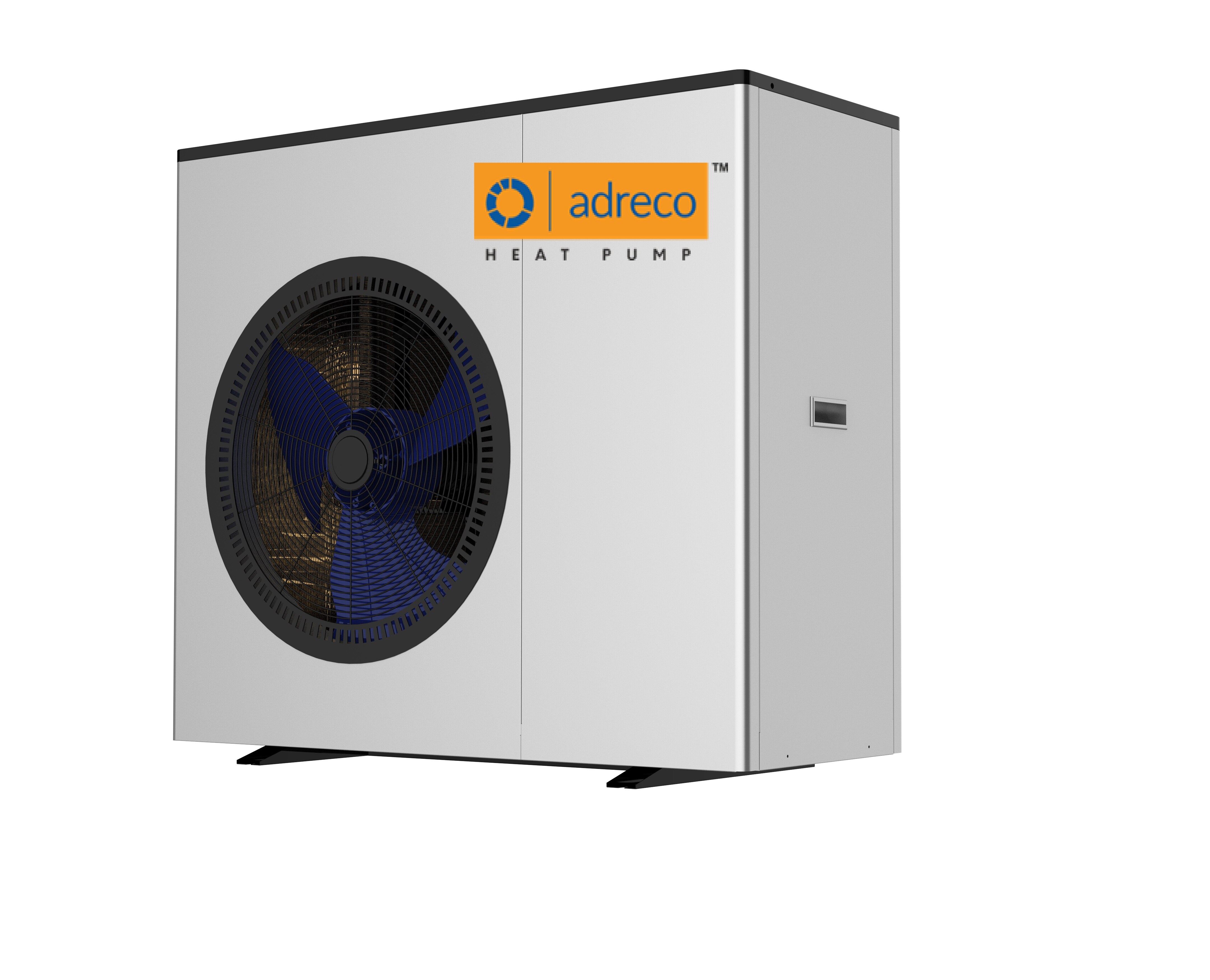 | Domestic Heat Pump ₹115000 Features: 1. Operating ambient temperature range up to -25° C to 45° C. 2. Hot water temperature upto 60° C. 3. View product → |
Frequently asked questions
How does a heat pump water heater heat water?
A refrigerant absorbs heat from air, the compressor raises its temperature, and a heat exchanger transfers that heat into the storage tank.
Why does a heat pump water heater use less electricity?
It moves existing heat instead of creating all heat through electrical resistance, so the same electricity delivers more hot-water energy.
How do temperature and cold weather affect performance?
Lower outdoor temperatures reduce available heat and can slow recovery, while the selected water temperature affects usable capacity and energy use.
How should you size a heat pump water heater tank?
Estimate hot-water use during your household’s busiest period, then choose enough stored capacity to cover showers, washing, and other simultaneous demand.
Which installation details protect efficiency and reliability?
Provide the required airflow, insulate hot-water pipes, install condensate drainage, use suitable electrical protection, and follow the manufacturer’s clearances.