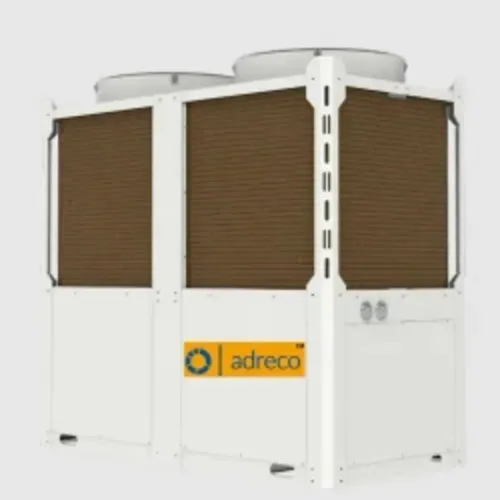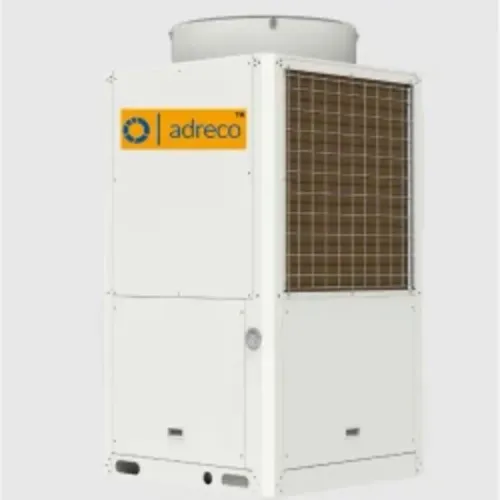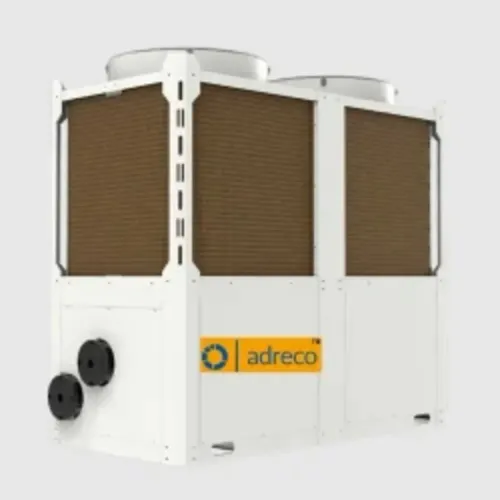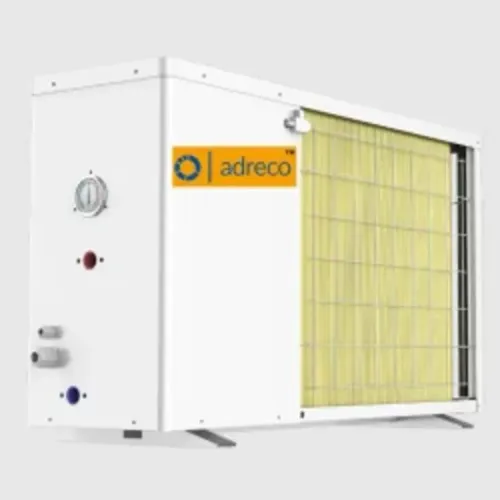
The right heat-pump size depends on heat loss, not pool volume alone. Before you order equipment, you need to calculate the heating load, check the site and utilities, compare realistic operating costs, and confirm that the plumbing and electrical work can support safe servicing.
Key takeaways
- Calculate pool volume and heat-up demand before comparing kilowatt ratings.
- Use a fitted pool cover to reduce overnight heat loss and running time.
- Leave clear airflow space and plan for operating noise around the unit.
- Confirm electrical protection, bypass plumbing and water-chemistry compatibility before installation.
How much heating capacity does your pool actually need?
Start with pool volume, not the pump’s advertised kilowatt rating. Calculate volume in cubic metres, then estimate start-up energy with this formula: volume × 1.163 × temperature rise = kilowatt-hours needed to heat the water. Divide that result by your desired heat-up time in hours to find the approximate heating capacity, before adding heat losses.
A practical heating load calculation checks:
- Measure pool length, width and average depth to determine pool volume.
- Subtract the starting water temperature from the target temperature; heating from 15°C to 28°C needs a larger unit than maintaining 28°C.
- Assess pool surface area and heat loss, including wind, outdoor air temperature, humidity, night-time conditions and the number of hours the pool remains uncovered.
- Apply the intended cover practice. A fitted cover can reduce evaporation-related heating demand by roughly 50%–70%; size the system for uncovered use only if you genuinely plan to leave the pool exposed.
- Check the manufacturer’s heating capacity at the coldest outdoor temperature in which you will use the pool, not only its headline rating condition.
The result separates start-up from maintenance. Heating cold water quickly requires more capacity or longer running hours, while maintaining a covered pool needs less. Air-source output and efficiency fall in colder weather, so pool heat-pump sizing based only on pool volume can produce slow recovery and disappointing running costs.
Indoor pools also need humidity control and ventilation because evaporation increases heat loss and condensation.
How will the cover, start-up time and weather affect performance?
A thermal pool cover can cut heating demand by roughly 50%–70% because it limits evaporation heat loss. Without it, wind and cool air strip heat from the water, so the heat pump runs longer and uses more electricity; a COP-only running-cost estimate will understate that demand.
Expect three different operating patterns:
- Maintaining pool temperature: with the cover fitted whenever the pool is unused, the heat pump replaces smaller overnight losses and can operate efficiently for shorter periods.
- First heating period: raising cold water to the target temperature requires a large, one-off heat input. The heat pump may run continuously for many hours, or longer if the cover is removed or the starting water is very cold.
- Cooler weather: outdoor-air heat pumps lose both heating capacity and efficiency as air temperature falls. Cold nights and shoulder seasons extend running time, while defrost cycles add electricity use without heating the pool.
Check the manufacturer’s heating capacity and COP at the outdoor temperatures you expect during use, not only at the headline test condition. Seasonal COP is a more useful planning figure than a single COP because it reflects changing air temperature, humidity, water temperature and defrosting.
Keeping the cover on during warm-up and between swims reduces the first heating period and ongoing electricity consumption.
Is the installation location suitable for efficient and quiet operation?
An air-source heat pump needs open air, not a tight shed or three-sided enclosure. An outdoor swimming pool installation must keep the cold exhaust from blowing back into the intake; recirculation cuts capacity, encourages icing and lengthens running time. Use the manufacturer’s airflow clearance measurements, not the unit’s cabinet dimensions.
Check the location for these conditions:
- Firm, level support that stays above standing water and carries vibration without rattling.
- Airflow clearance around the intake and discharge, with no wall, hedge or roof blocking the specified distances.
- A position away from bedroom windows, seating areas and property boundaries, because the fan and compressor produce operating noise.
- Protection from direct chemical fumes, sprinkler spray and roof runoff, without boxing the unit in.
- A drainage route for pool heat-pump condensate that will not wet a walkway, undermine the base or freeze against the unit.
For an indoor swimming pool, humid air needs mechanical ventilation or dehumidification. Otherwise condensation can form on the heat pump, electrical parts, walls and nearby metal, causing corrosion and mould. Keep the unit and controls outside the wettest zone, or follow the manufacturer’s ducting and room-temperature requirements.
Do not place an indoor unit in an unventilated plant room: its exhaust air can chill the room and reduce performance. Allow working space around valves, panels and filters so servicing does not require moving the machine.
What electrical, hydraulic and water-chemistry work is required?
Confirm the electrical load and circulation design before buying the unit. An existing pool subpanel may lack capacity, and changing it after delivery adds cost and delay.
1. Record the required supply voltage and phase, running current, and whether the heat pump needs a dedicated circuit. Specify the breaker and residual-current protection required by the manufacturer and local electrical code. Provide outdoor-rated isolation, accessible disconnection, and proper bonding and grounding.
2. Match the pipework to the manufacturer’s water flow rate and pipe diameter. Inadequate flow can trip the flow switch or create a high-pressure fault; excessive flow wastes pumping energy and increases noise. Check that the pump and filter can deliver the required flow through the added resistance.
3. Install a bypass with isolation valves so you can adjust flow and remove the heat pump from service without stopping the entire pool system. Use unions, leave working clearance, and position shutoff valves so the unit can be serviced without draining the pool.
Include a way to prevent water flowing backward into the heater during maintenance.
4. Keep chemical injection downstream of the heat pump, or use another arrangement that prevents concentrated chlorine, acid or salt solution from entering it. Confirm the heat exchanger material for your water; salt pools often need a manufacturer-approved titanium exchanger.
Keep corrosive chemical vapour away from the air intake, and verify pH, chlorine or bromine, alkalinity and salt levels against the warranty limits.
Which heating system and installation scope fit your pool?
Choose the system around your heating pattern, not its headline output. A heat-pump versus gas boiler comparison favours lower running costs and steady temperature maintenance; gas favours rapid recovery. Include the cover in the decision: evaporation is often the largest heat loss, and a fitted cover can cut heating demand by roughly 50%–70%.
| Option | Strength | Limitation |
|---|---|---|
| Heat pump | Efficient for maintaining temperature on a schedule | Slower recovery; capacity and COP fall in cold air |
| Gas boiler | Fast heating after a large temperature drop | Fuel supply, combustion ventilation and emissions add scope |
| Electric resistance heater | Simple equipment and installation | Every unit of heat requires roughly one unit of electricity |
| Solar pool heating | Low operating energy in suitable sunny weather | Output depends on sun, roof or ground area, and season |
| Cover | Reduces evaporation and heat demand | Does not heat the pool by itself |
Your installation quotation should identify the selected capacity at the outdoor temperatures you will actually use, not only a headline test point. Ask for the intended cover practice, controls and operating schedule to appear in the heat-load and running-cost assumptions.
Require the plan to show:
- Hydraulic tie-in, bypass, valves, unions and non-return protection
- Isolation points and working clearance for service without draining the pool
- Electrical circuit, protection and an accessible local isolator
- Condensate drainage and protection from corrosive chemical vapour
- Water-chemistry safeguards so concentrated chlorine, acid or salt solution cannot enter the heater
- Testing, leak checks, control settings and commissioning
Adreco Engineering Pvt Ltd should be asked to state these site responsibilities in writing rather than leaving them outside the equipment price.
Related product
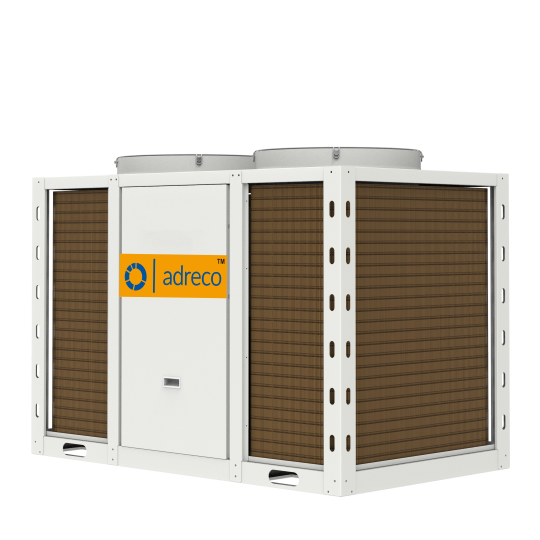 | Swimming Pool Heat Pump ₹75000 Pool Heat Pump Features: 1. Operating ambient temperature range up to -15° C to 45° C. 2. Hot water temperature upto 40° C. 3. View product → |
Frequently asked questions
How do you calculate the heating capacity a swimming pool needs?
Calculate pool volume in cubic metres, multiply it by 1.163 and the desired temperature rise to find start-up energy in kilowatt-hours. Divide by your target heat-up time, then allow for heat losses from evaporation, wind, air temperature and the pool cover.
How does a pool cover affect heat-pump performance?
A fitted cover reduces evaporation, which is usually the largest source of pool heat loss. Cover the pool whenever it is not in use, especially overnight, to shorten heating time and reduce running costs.
Where should a swimming pool heat pump be installed?
Place the unit outdoors on a level, stable base with unobstructed air intake and discharge. Keep the discharge away from walls and windows, provide access for servicing, and position it where fan noise will not disturb bedrooms or neighbours.
What electrical and plumbing work does a pool heat pump require?
Plan a dedicated electrical supply with correctly sized protection, an isolator and local compliance checks. On the water side, install a bypass with isolation valves, connect the heat pump after filtration, and use pipework sized for the required flow.
What should you check before connecting a heat pump to pool water?
Check the manufacturer’s limits for pH, chlorine, salt concentration and flow rate. Use a correctly arranged bypass and protect the heat pump from concentrated chemical dosing by injecting chemicals upstream with adequate mixing distance.