Cold rooms, uneven temperatures, long heating cycles, and high energy bills are often blamed on the heating equipment itself. In reality, these problems can also result from poor sizing, building heat loss, unsuitable distribution, or inadequate controls. A Space Heating System should therefore be planned around the building rather than selected only from equipment specifications.
For properties in Chandigarh, several indicators can show when a more detailed professional assessment is worthwhile.
Rooms Never Reach the Desired Temperature
If heating equipment operates for long periods while rooms remain uncomfortable, the available heating capacity may not match the building's heat loss.
However, replacing the equipment with a larger unit should not be the automatic response.
Poor insulation, air leakage, undersized radiators, restricted water flow, or incorrect control settings can produce similar symptoms. The cause should be identified before additional capacity is installed.
Some Areas Become Too Warm
Uneven heating is another common sign of system imbalance.
One room may become uncomfortable while another remains cold. This can happen when the Space Heating System has inadequate zoning, poor hydraulic balancing, incorrectly positioned thermostats, or unsuitable terminal units.
A professional review can examine heat requirements room by room instead of treating the entire property as one uniform space.
Energy Consumption Seems Excessive
High heating expenditure can result from many factors.
Common possibilities include:
- Excessive temperature settings
- Poor building insulation
- Unnecessary heating hours
- Inefficient equipment
- Distribution losses
- Incorrect system sizing
- Lack of zoning
- Poorly configured controls
Reviewing these factors together is usually more useful than focusing on a single component.
A Major Renovation Is Planned
Renovation is an ideal time to reassess heating requirements.
New windows, improved insulation, changed floor plans, additional rooms, or altered building usage can significantly change the heat load.
Installing new heating equipment based on the property's previous condition may therefore lead to inappropriate sizing.
Builders and architects can reduce later modifications by incorporating heating calculations during design development.
Existing Equipment Is Reaching Replacement Age
Replacing old heating equipment creates an opportunity to reconsider the complete system.
A like-for-like replacement may not be the best approach if building conditions or technology have changed.
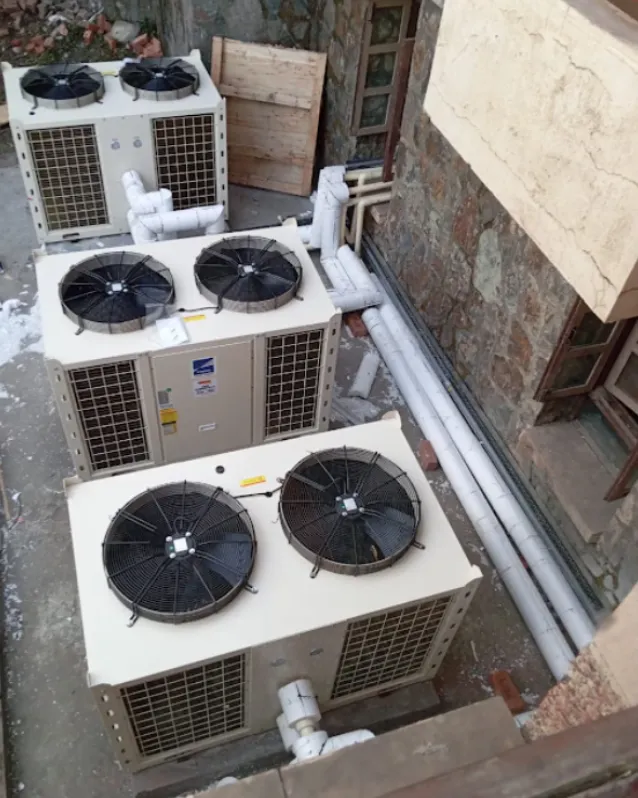
Heat pumps, for example, have specific water-temperature and flow requirements that should be evaluated alongside existing radiators, fan coils, or underfloor circuits.
Commercial Usage Has Changed
Offices, hotels, healthcare facilities, and other commercial properties can undergo major occupancy changes.
A building originally designed for one usage pattern may now operate for longer hours or accommodate more occupants. Such changes can affect ventilation and heating demand.
A fresh load calculation can establish whether the existing installation still suits current operations.
Local Conditions Matter During Sizing
Chandigarh's cooler winter periods make dependable space heating important for many residential and commercial properties.
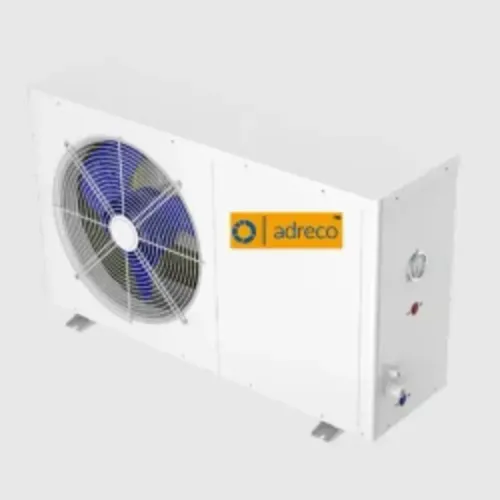
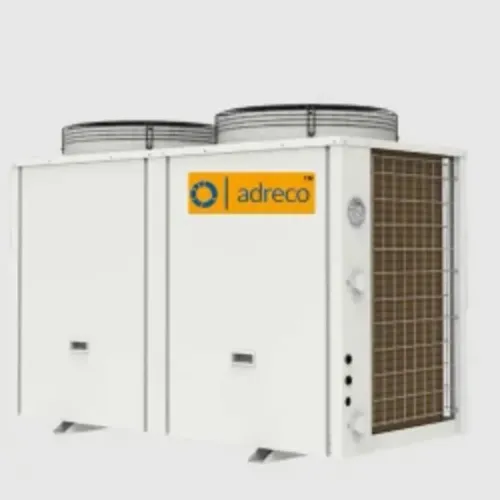
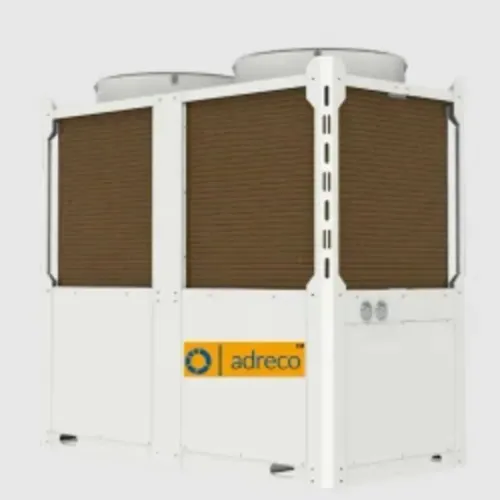
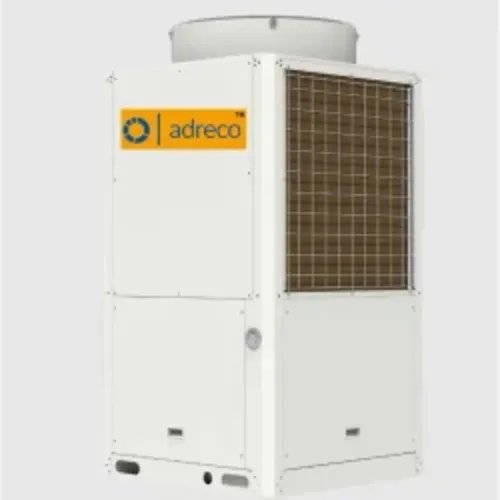
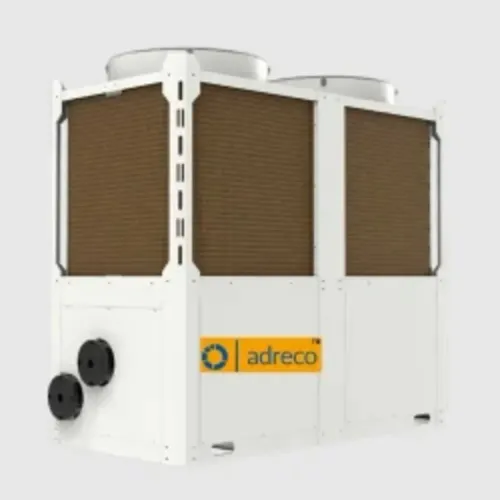
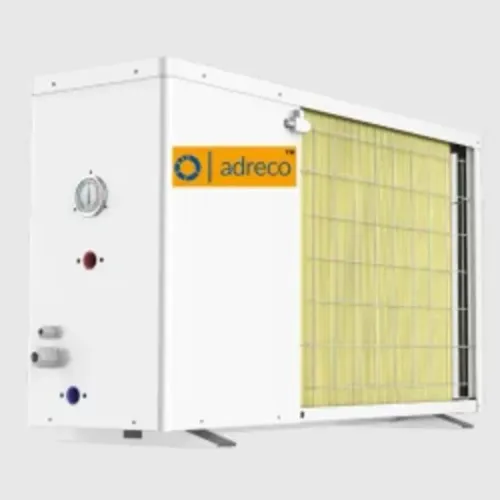
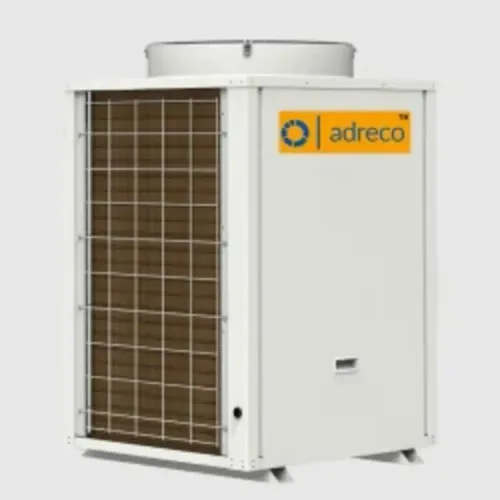
Adreco Engineering Pvt Ltd provides heating and heat pump solutions for varied applications. A useful assessment should consider local outdoor design conditions alongside insulation, glazing, room dimensions, occupancy, desired indoor temperature, and distribution equipment.
Treat Comfort Problems as System Problems
A properly designed Space Heating System depends on more than heating capacity. Heat generation, building insulation, distribution, flow rates, zoning, controls, and terminal units need to operate together.
Persistent comfort problems, changing building usage, renovation work, rising energy consumption, and equipment replacement are all good reasons to reassess the complete heating arrangement.
Professional load planning can help property owners identify the actual cause of heating problems before investing in equipment, creating a stronger basis for comfortable and energy-conscious operation.
Keywords