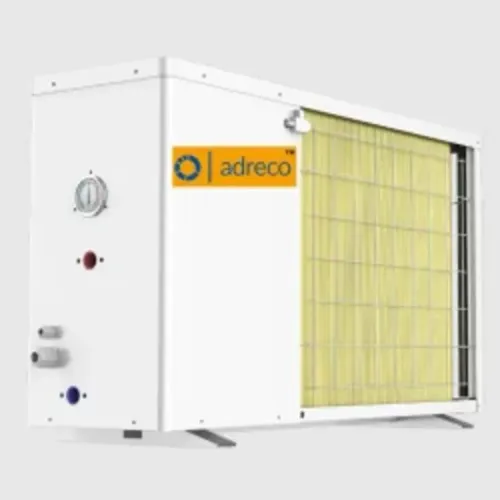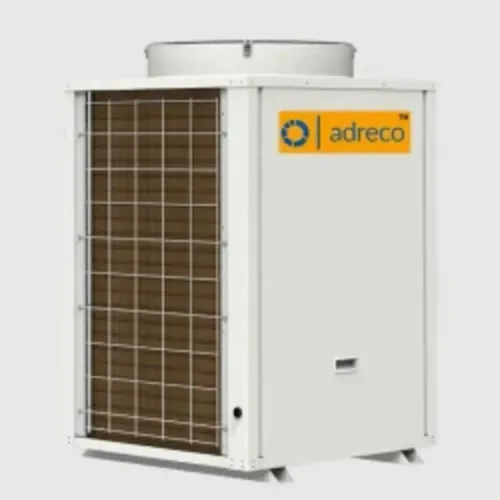
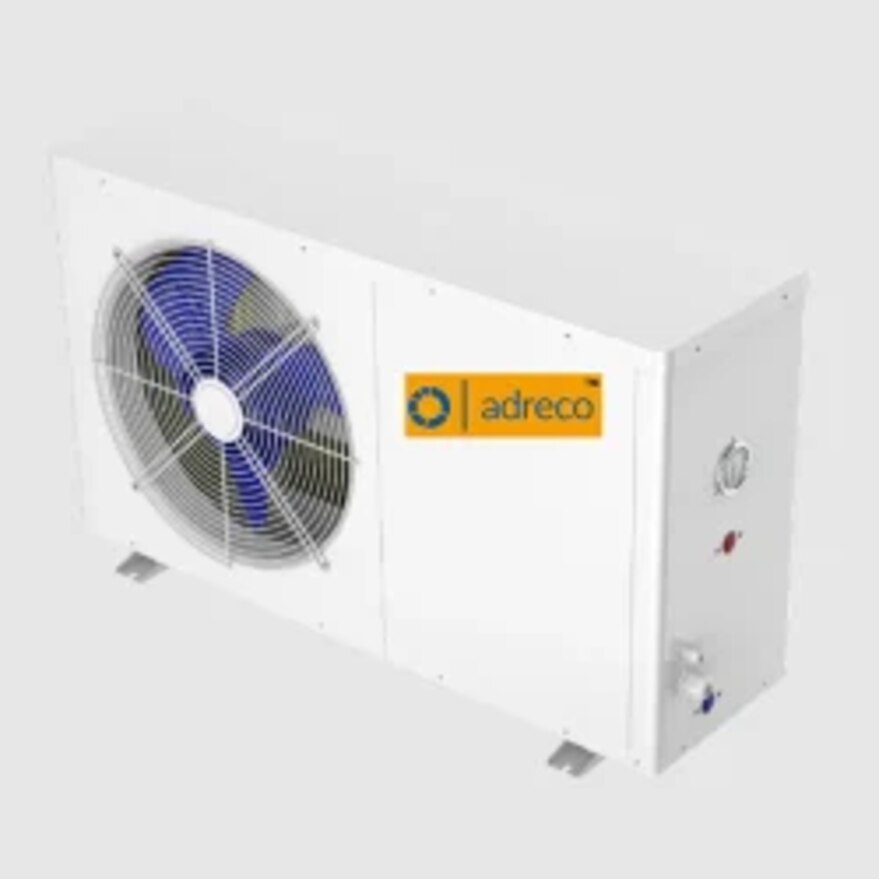
A domestic air-source heat pump heats stored water by moving heat from outdoor air into a cylinder, rather than making hot water instantly with an electric element or gas flame. You will be able to judge how the system operates, set it without wasting energy, size the cylinder, and compare its electrical, space and backup requirements with other water-heating options.
Key takeaways
- Heat pumps heat stored water gradually instead of producing it instantly.
- Set cylinder temperature and schedules to match your household’s hot-water demand.
- Size the cylinder for occupants, fixtures, recovery time and cold-weather performance.
- Check capacity, electrical requirements and test evidence before installation.
How heat moves from outdoor air into your hot-water cylinder
A domestic air-source heat pump heats stored water over time rather than producing hot water instantaneously like a combi boiler. It extracts low-grade heat from outdoor air, raises that heat to a useful temperature, and transfers it into a domestic hot-water cylinder.
- A fan moves outdoor air across the evaporator. Refrigerant inside the evaporator absorbs heat from the air and changes from a liquid to a gas.
- The compressor squeezes this refrigerant gas, raising its pressure and temperature. This is the main electrical energy input.
- The hot refrigerant passes through the condenser, usually a heat exchanger wrapped around or fitted inside the cylinder. A circulation pump moves cooler cylinder water through the heat exchanger, where it collects heat, then returns warmer water to the tank.
- The expansion valve reduces the refrigerant’s pressure and temperature, readying it to absorb more outdoor heat in the evaporator.
Controls divert the heat pump between space heating and the cylinder, so recovery takes longer after several showers if capacity is limited. Heating water to a higher temperature also reduces efficiency compared with low-temperature space heating. The cylinder and hot-water pipes add standing losses, especially when insulation is poor or long pipe runs circulate continuously.
An immersion heater supplies backup or a scheduled high-temperature hygiene cycle. It heats by resistance, so use it only when the controls or water demand require it.
Set the cylinder temperature and heating schedule around household demand
Schedule the heating cycle to finish shortly before your main hot-water demand, then allow recovery time after heavy use. A heat pump heats a cylinder more slowly than an instantaneous gas boiler, so repeated showers can exhaust stored water before the next cycle completes.
Use the controls to match your household pattern:
- Set a morning cycle before people shower and an evening cycle before cooking or bathing.
- Start recovery immediately after a high-demand period instead of relying on a late manual boost.
- Leave enough time between cycles for the heat pump to reheat the cylinder without forcing immersion-heater operation.
Keep the hot-water temperature at the cylinder setting specified by the installer and cylinder manufacturer. Weather compensation can reduce space-heating flow temperature, but domestic hot water needs a separate higher-temperature strategy. Do not lower the cylinder setting solely to improve efficiency.
Legionella control requires a planned high-temperature cycle where the system design and local guidance require it. UK HSE guidance uses 60°C storage and at least 50°C at outlets within 30 seconds for systems to which that guidance applies; confirm the setting with a qualified installer.
Use the immersion heater for scheduled hygiene cycles, commissioning, fault recovery or exceptional demand. Frequent manual boosts use direct electricity and can erase much of the heat pump’s efficiency advantage. A cylinder that repeatedly needs the immersion heater after normal showers signals a sizing, scheduling or recovery-rate problem.
Size storage and recovery for people, fixtures and cold weather
Size the system for the busiest hot-water period, not the average day. A household with two consecutive showers, a bath, kitchen use and a washing machine needs more stored energy or faster recovery than the same household using hot water at separate times.
Record these inputs before selecting equipment:
- Number of residents, shower duration, bath frequency and whether fixtures operate together.
- Each shower flow rate: a 10-litre-per-minute shower running for eight minutes uses 80 litres of mixed water, although the cylinder supplies less because stored water is blended with cold water.
- Incoming-water temperature in winter, because colder mains water requires more energy to reach the same outlet temperature.
- Cylinder capacity and the heat pump’s recovery time after a large draw-off. A small cylinder with slow recovery can trigger immersion-heater use during back-to-back showers.
- Local winter design temperature, the heat pump’s output at that temperature, and allowance for defrost cycles. Do not size from a headline rating measured in mild air.
- Required high-temperature hygiene cycles, since heating a cylinder to around 60°C takes longer and lowers the coefficient of performance (COP) compared with producing warmer-than-inlet water at a lower temperature.
An oversized cylinder reduces shortages but increases standing heat loss, cost and reheating time. An undersized heat pump struggles in cold weather and relies on backup heating. Compare low-temperature output, recovery time and seasonal performance figures rather than choosing the highest published COP alone.
Compare heat-pump water heating with electric, gas, solar and hybrid systems
A heat pump usually uses less delivered energy than electric resistance heating because it moves heat instead of creating it. Its emissions depend on the electricity mix; replacing an efficient gas boiler can deliver a smaller saving, especially where gas is cheap and electricity is carbon-intensive.
System | Efficiency and emissions | Installation, space and noise | Backup Heat-pump water heater | High efficiency in moderate conditions; lower efficiency at domestic-hot-water temperatures. Emissions follow grid electricity. | Needs an outdoor unit, airflow clearance, insulated cylinder and condensate drainage. Takes more space and makes fan/compressor noise.
Uses an immersion heater for high-temperature cycles or recovery. Electric resistance heating | Converts electricity directly to heat, so running costs and emissions track electricity closely. | Simple cylinder or instantaneous unit, with little equipment and almost no operating noise. Requires sufficient electrical capacity. No separate heat source is needed.
Gas boiler | Efficient modern units can be cheaper to run than a heat pump, depending on tariffs, but burning gas produces direct carbon emissions. | Compact if a boiler and pipework already exist; requires flue, gas supply and ventilation. Usually quieter than an outdoor heat-pump unit. Provides rapid backup or instantaneous heating.
Solar thermal | Very low operating emissions and energy use while sunlight is available, but output varies by season and weather. | Needs roof collectors, a dedicated cylinder, controls and pipework. Requires immersion or boiler backup for cloudy periods and winter demand.
Hybrid water heating | Combines a heat pump with a gas boiler or immersion heater, switching source when demand, temperature or tariffs favour it. | Costs more and needs space for multiple components, but preserves rapid backup and reduces dependence on one source. Controls must prevent unnecessary boiler or immersion use.
A heat pump also needs stored water, so several consecutive showers can exhaust the cylinder before recovery finishes. A gas boiler generally restores supply faster; correct cylinder sizing and scheduling determine whether the heat pump’s efficiency advantage survives daily use.
Check the specification, electrical supply and evidence before installation
Ask for the complete hot-water test data, not the highest COP printed in a brochure. Compare results produced under the same outdoor-air and water-temperature conditions, and look for EN 14511 performance testing or EN 16147 heat-pump-water-heater data, plus seasonal or annual efficiency figures.
Before installation, confirm these points with the installer and a qualified electrician:
- What are the rated input power, running current, maximum current and supply voltage?
- Does the consumer unit have suitable circuit protection, isolation and earthing for this model?
- Will startup current, cable length and voltage drop affect the circuit design?
- What cylinder volume, recovery time, immersion-heater rating and high-temperature hygiene cycle match your demand?
- Where will the outdoor unit, cylinder, condensate drain, refrigerant or water pipework and service access go?
- What noise level applies at the boundary, and what happens during frost protection or backup heating?
Use the evidence to separate a useful specification from a sales claim.
| Figure or document | What it tells you | Question to ask |
|---|---|---|
| COP at a named test point | Efficiency under one defined condition | Is the comparison point identical? |
| Seasonal or annual efficiency | More realistic yearly performance | Which climate, demand profile and backup use were assumed? |
| EN 16147 result | Hot-water energy performance and recovery behaviour | Which load profile and cylinder volume were tested? |
| Electrical data sheet | Required supply and protective design | Does the running current fit your available circuit? |
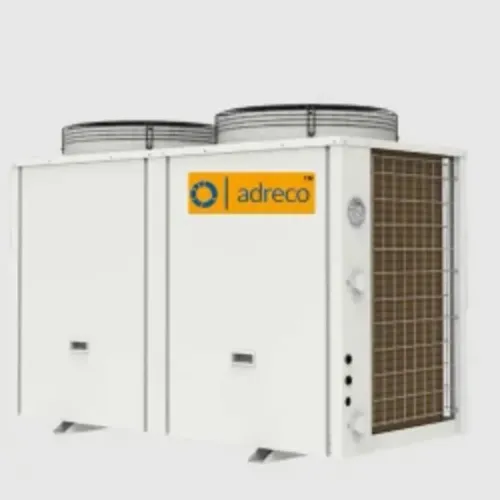
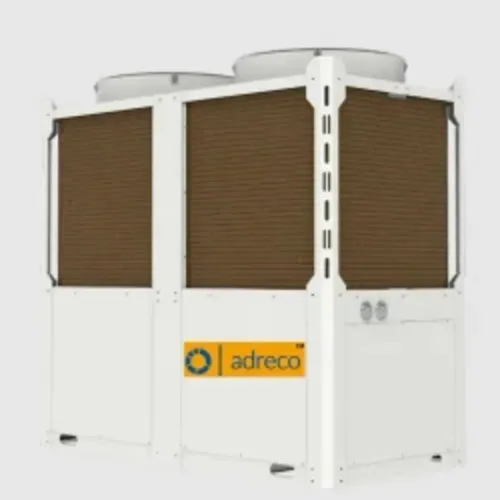
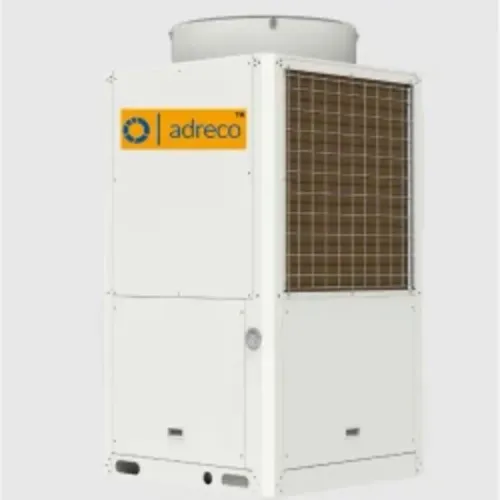
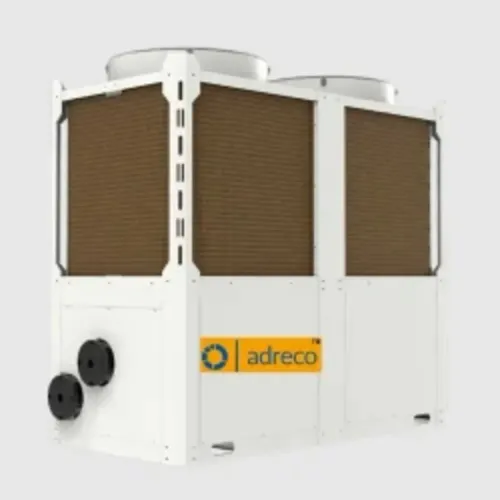
Adreco Engineering Pvt Ltd should be asked to state these test conditions and electrical figures for the exact domestic model quoted, rather than a similar range model.
Related product
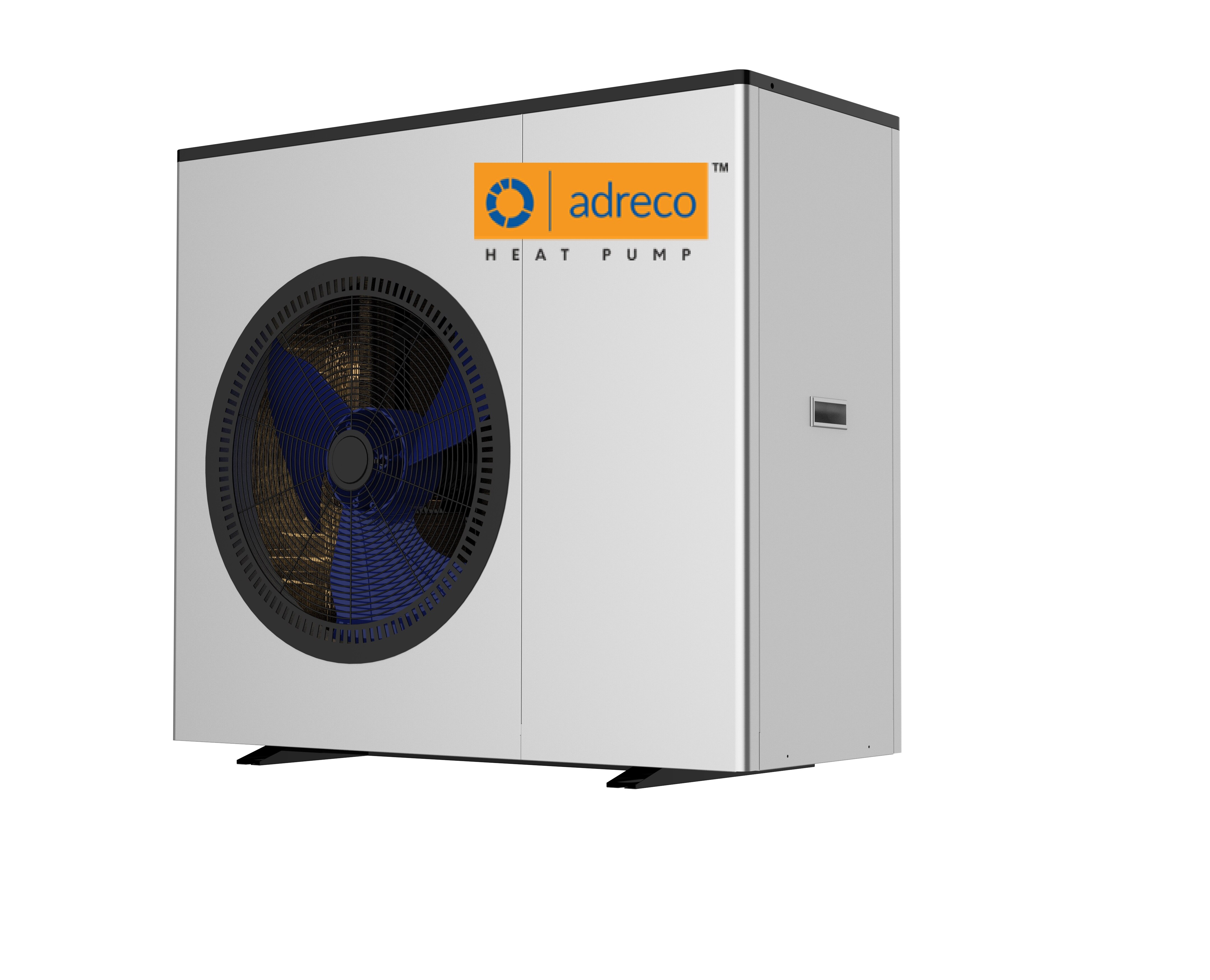 | Domestic Heat Pump ₹115000 Features: 1. Operating ambient temperature range up to -25° C to 45° C. 2. Hot water temperature upto 60° C. 3. View product → |
Frequently asked questions
How does an air-source heat pump heat domestic hot water?
It extracts heat from outdoor air, raises its temperature, and transfers that heat into a hot-water cylinder.
What cylinder temperature and heating schedule should you use?
Choose settings and schedules around household demand, while following the cylinder and heat-pump manufacturer’s safety instructions.
How do you size a heat-pump hot-water system?
Account for the number of occupants, showers, baths, taps and other fixtures, plus recovery time during cold weather.
How does heat-pump water heating compare with other systems?
Compare it with electric, gas, solar and hybrid systems using efficiency, recovery speed, storage needs, electrical supply and installation requirements.
What should you check before installing a domestic heat pump?
Review the system specification, electrical supply, cylinder compatibility, installation requirements and documented performance evidence.