A building-wide heating project affects comfort, energy consumption, mechanical services, and long-term operating costs. Choosing a Central Heating System therefore requires more than deciding which heating appliance to install. The building envelope, heat distribution network, controls, heating source, and room-level requirements all influence performance.
For homes, hotels, hospitals, offices, institutions, and other properties in Chandigarh, planning should begin with a proper assessment of the building.
Calculate the Building Heat Load
Floor area alone does not determine heating capacity.
Heat can escape through external walls, windows, roofs, floors, doors, and uncontrolled air leakage. Building orientation, insulation quality, glazing, occupancy, ceiling height, and ventilation can also influence demand.
A heat-load calculation helps determine how much heating the property actually requires under expected winter conditions.
Select Suitable Heat Distribution
A Central Heating System needs a method of delivering heat throughout the property.
Depending on the design, this may involve hydronic circuits supplying radiators, fan coil units, underfloor heating, or other terminal equipment.
Each option has different water-temperature, installation, control, and response characteristics.
The heat source should therefore be selected together with the distribution system rather than independently.
Look at Required Water Temperatures
Heat pumps generally perform differently depending on the temperature they are required to produce.
A heating distribution system designed around lower water temperatures may create different operating conditions from older radiator systems that require relatively high temperatures.
For retrofit projects, the existing terminal units should be evaluated before assuming that a new heat source can simply replace the old one without additional modifications.
Divide the Property Into Useful Zones
Not every room needs identical heating throughout the day.
Bedrooms, reception areas, offices, corridors, guest rooms, conference spaces, and utility areas can have different occupancy patterns.
Zoning allows heating to be controlled according to actual usage.
For large properties, good zoning can also prevent unnecessary heating in unused sections while helping occupied spaces maintain appropriate temperatures.
Check Plant Space Early
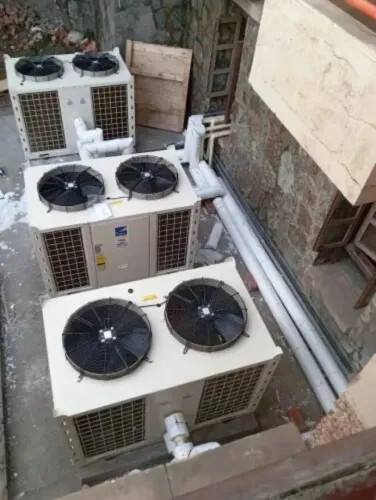
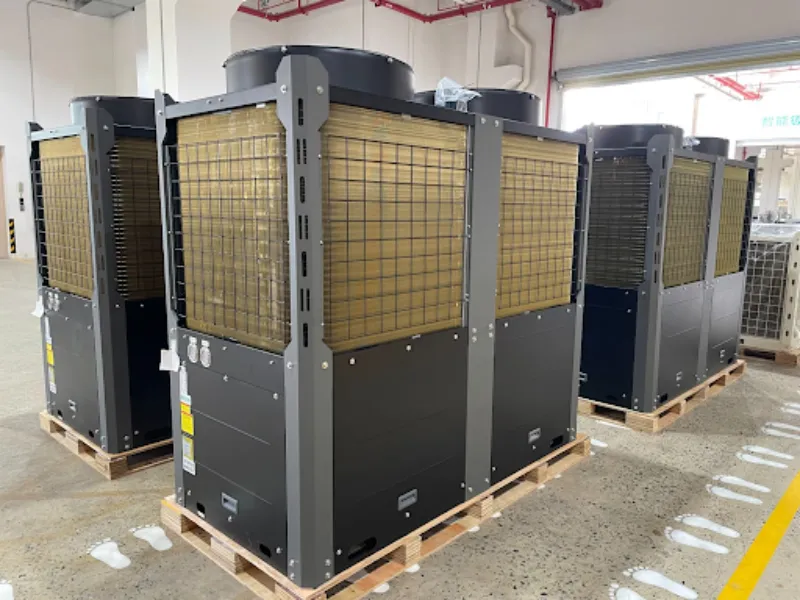
Central systems may require heat pump equipment, pumps, buffer vessels, manifolds, storage tanks, control panels, piping, and maintenance clearances.
A technical survey should establish where this equipment can be located and how distribution pipes will reach different parts of the property.
Retrofit projects may face additional restrictions due to finished interiors or limited service shafts.
Ask About Controls
Modern heating controls can influence both comfort and energy use.
Property owners should understand how thermostats, weather compensation, scheduling, zone controls, pumps, and heat sources communicate.
Complex controls are not automatically better. They should be understandable, maintainable, and suited to the way the building is actually occupied.
Consider Chandigarh Winter Conditions
Heating equipment should be assessed according to local winter conditions and the building's required indoor temperature.
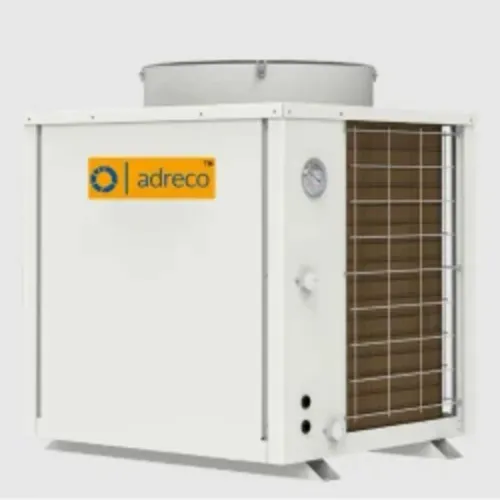
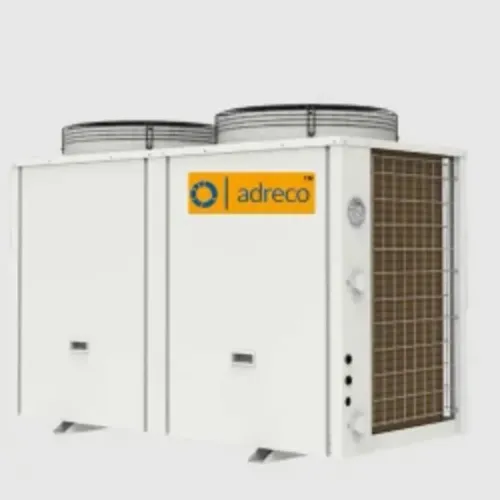
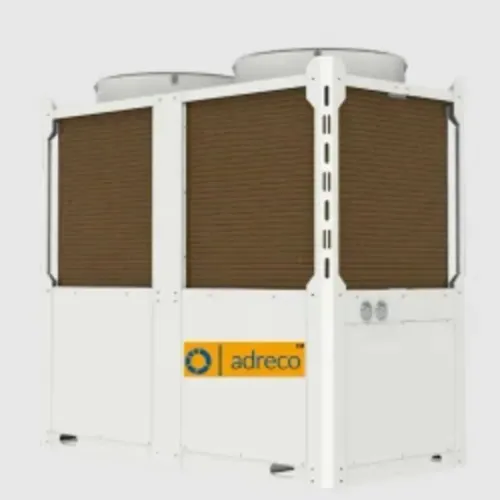
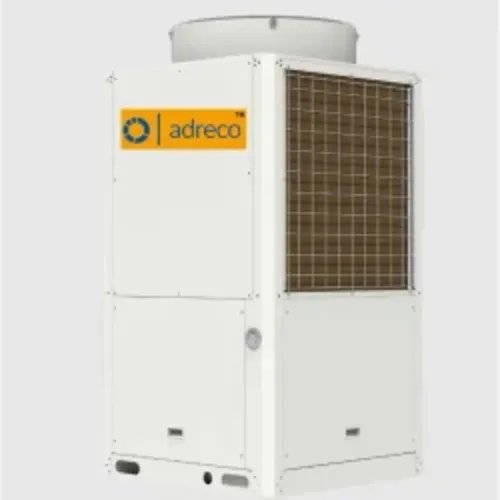
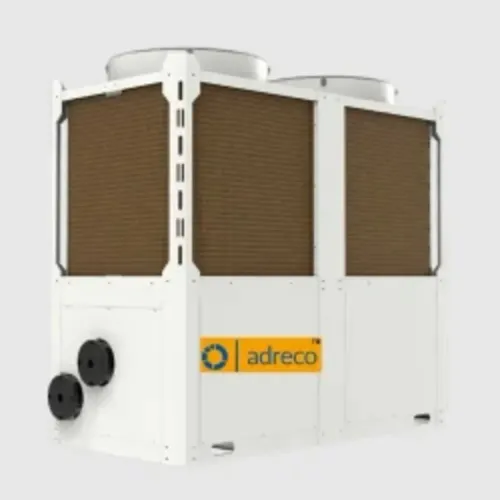
Adreco Engineering Pvt Ltd manufactures HVAC and heat pump solutions for applications including building heating. Before selecting equipment, owners should provide accurate building information so capacity can be considered against realistic operating requirements.
Choose the Complete Solution
The best Central Heating System is not necessarily the one with the largest heating unit. It is the configuration that balances building heat loss, distribution temperatures, zoning, controls, equipment capacity, and expected operating costs.
Property owners should therefore seek a provider capable of discussing the complete heating system rather than only supplying a standalone machine. A detailed site and load assessment provides a stronger foundation for selecting equipment that can deliver dependable winter comfort without unnecessary capacity or avoidable energy use.
Keywords