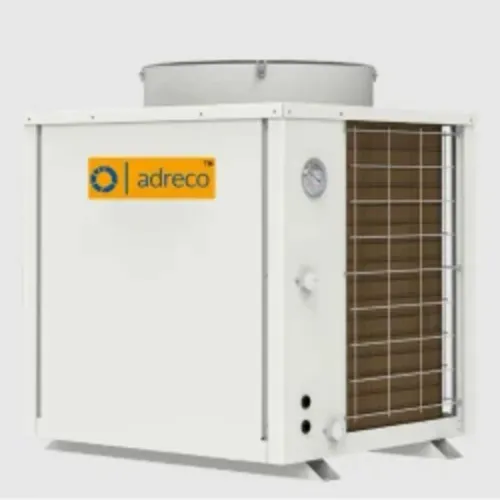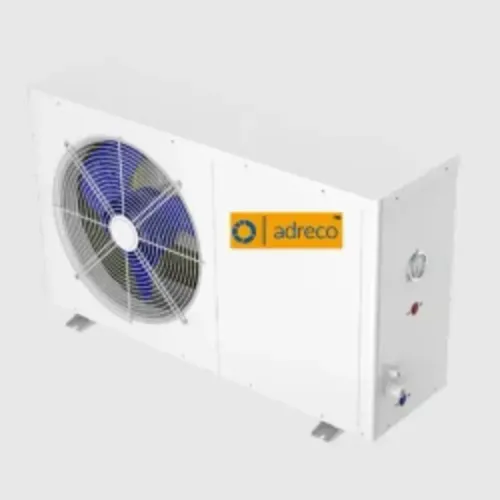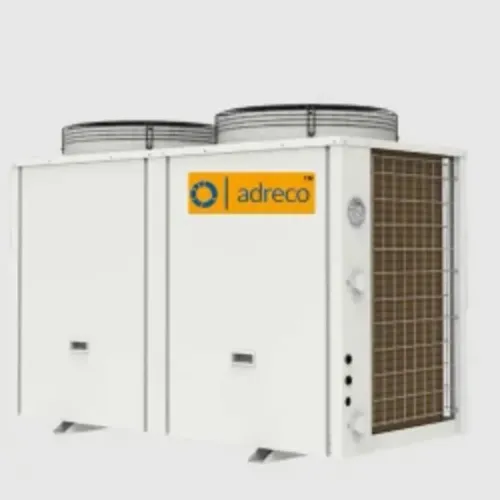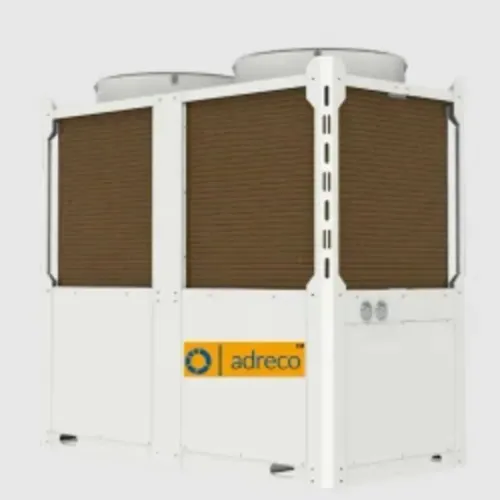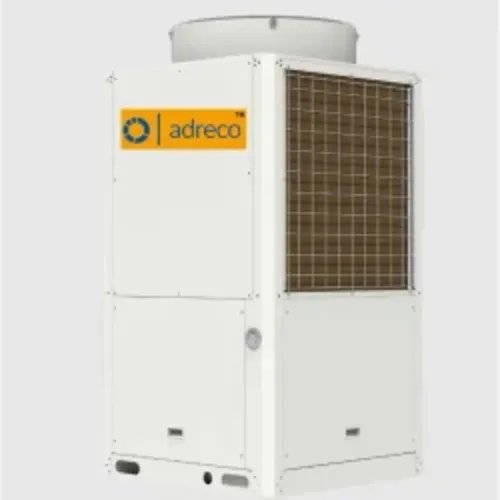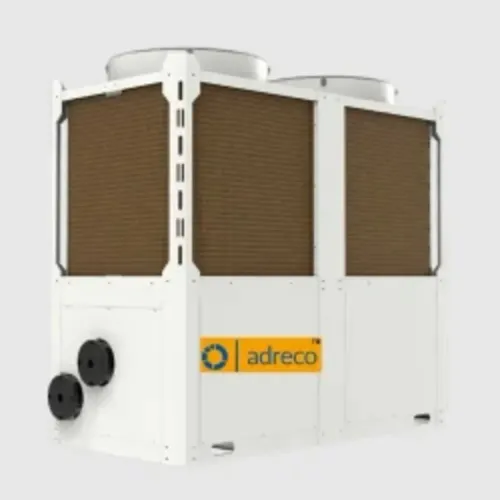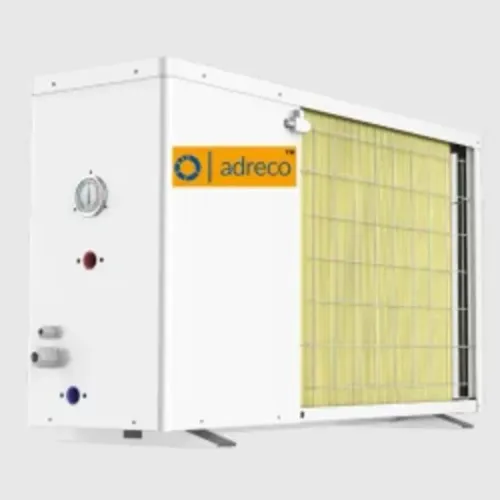
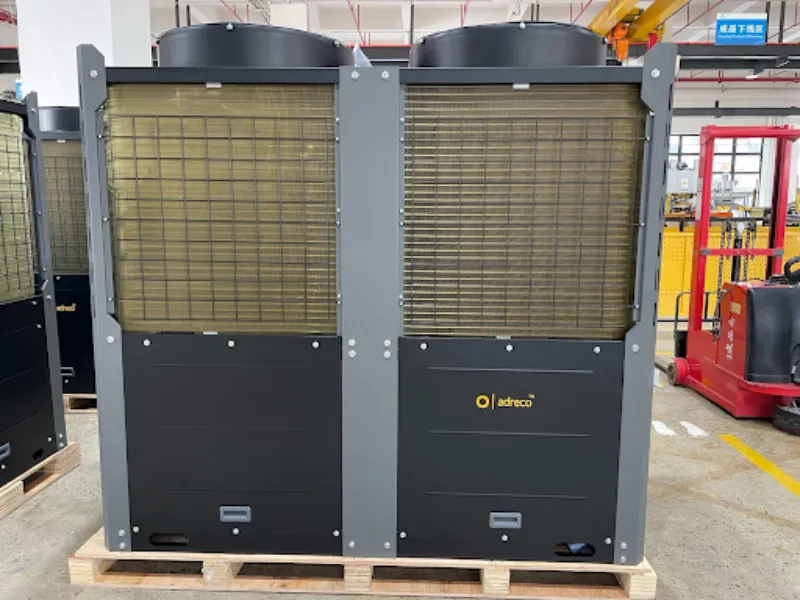
An Air Source Heat pump can serve applications ranging from domestic and commercial hot water to space heating and selected process requirements. Its ability to extract thermal energy from outdoor air makes it an attractive option for projects seeking alternatives to direct electrical heating or certain conventional heating systems.
However, equipment that performs well in one project may not automatically be suitable for another. A careful technical evaluation is essential.
Check Performance at Relevant Outdoor Temperatures
One of the most important evaluation points is performance under the conditions the system will actually experience.
Heat pumps are often presented with rated heating capacities and efficiency values measured at specified test conditions. Those figures are useful for comparison, but they should not be assumed to remain identical at every ambient temperature.
For a project in Chandigarh, ask how heating capacity changes during colder winter conditions.
This becomes particularly important when the equipment serves an essential hot-water or heating load.
Define the Required Output Temperature
The temperature required by the application strongly influences equipment selection.
Swimming-pool heating, domestic hot water, space heating, and industrial processes may each require different temperature ranges.
A unit designed primarily for moderate-temperature water should not automatically be selected for a high-temperature application.
Clarifying the target outlet temperature at the beginning avoids incorrect comparisons later.
Examine the Complete Load Profile
Peak heating load is important, but so is the duration and timing of demand.
A hotel may have concentrated hot-water peaks in the morning and evening. A hospital may have a more continuous requirement. A residential property can have shorter periods of high consumption.
Industrial applications may follow production shifts.
These patterns influence equipment capacity, storage, staging, and control strategy.
Evaluate the Installation Location
Air-source systems need access to ambient air.
Before installation, check:
- Airflow around the unit
- Distance from walls and obstructions
- Possibility of hot or cold air recirculation
- Drainage arrangements
- Noise considerations
- Service clearance
- Structural support
- Electrical availability
Placing equipment in an inadequately ventilated enclosure can undermine system performance even if the unit itself is correctly sized.
Look at Controls and Multiple-Unit Operation
Larger projects may use more than one heat pump.
Staged operation can allow units to respond to changing demand rather than requiring every unit to operate continuously. Appropriate controls can coordinate equipment, pumps, tanks, sensors, and backup systems.
This is particularly useful for hotels, hospitals, institutions, and other facilities where demand changes throughout the day.
Review Maintenance Requirements
Heat pumps need routine inspection and maintenance like other mechanical HVAC equipment.
Heat exchangers, filters where applicable, fans, electrical connections, refrigerant circuits, water flow, and control systems need appropriate attention.
Equipment placement should make this work practical.
Ask for Application-Based Selection
Adreco Engineering Pvt Ltd works with air-source heating solutions across commercial, hospitality, healthcare, residential, institutional, and industrial applications.
Instead of asking only for a particular tonnage or model, Chandigarh project owners can provide the provider with water demand, required temperatures, ambient conditions, operating schedule, available space, and existing system information.
Selecting an Air Source Heat pump should ultimately be an engineering decision rather than a catalogue comparison. When capacity, temperature range, installation conditions, controls, and real seasonal performance are evaluated together, the resulting system is much more likely to meet the property's practical heating requirements.
Keywords