Hotels, resorts, clubs, residential societies, villas, and wellness properties often invest significantly in swimming-pool construction but give less attention to heating design. Choosing a Pool Heating System without analysing actual operating conditions can result in slow heating, excessive energy consumption, or disappointing water temperatures.
A structured evaluation helps buyers compare potential systems more effectively.
Confirm the Pool Volume
Accurate pool dimensions are the starting point.
Length, width, average depth, and total water volume help establish the basic heating requirement. Irregularly shaped pools may need more detailed calculations.
However, volume alone is not sufficient for equipment selection.
Define the Target Water Temperature
The heating requirement depends on the difference between existing water temperature and the desired swimming temperature.
A pool that only needs mild temperature maintenance has different requirements from one expected to remain warm through colder conditions.
Buyers should specify realistic target temperatures rather than requesting the highest possible setting.
Identify the Intended Swimming Season
A Pool Heating System intended for occasional shoulder-season use may be designed differently from one expected to support extended winter operation.
For properties in Chandigarh, seasonal ambient temperature should be considered carefully because air-source heat pump capacity and efficiency can change as outdoor conditions vary.
The provider should understand when the pool will actually be used.
Evaluate Heat Loss
Outdoor pools can lose considerable heat through evaporation.
Wind exposure, surface area, nighttime temperature, humidity, and pool location influence these losses. An uncovered pool may therefore require substantially more heating than a comparable pool with effective thermal protection.
A pool cover can be a relatively simple way to reduce avoidable heat loss when the facility is not being used.
Review Existing Circulation Equipment
Pool heating needs to integrate with the filtration and circulation system.
Before selecting equipment, check:
- Circulation flow rate
- Pump capacity
- Pipe diameter
- Filtration arrangement
- Equipment-room layout
- Available electrical supply
- Bypass requirements
- Installation distance
Correct water flow through the heat exchanger is important for proper system operation.
Ask for Performance at Relevant Conditions
Buyers should avoid comparing heat pumps using only a single headline capacity figure.
Ask what heating capacity and efficiency are available at the ambient temperature and pool-water conditions relevant to the intended operating season.
This provides a more meaningful comparison between potential systems.
Check Installation Access
Heat pump equipment requires adequate airflow and maintenance clearance.
Installing a unit in a highly restricted enclosure can affect operation. Drainage, noise considerations, electrical safety, water piping, and future service access should all be planned before final placement.
Evaluate the Supplier's Technical Approach
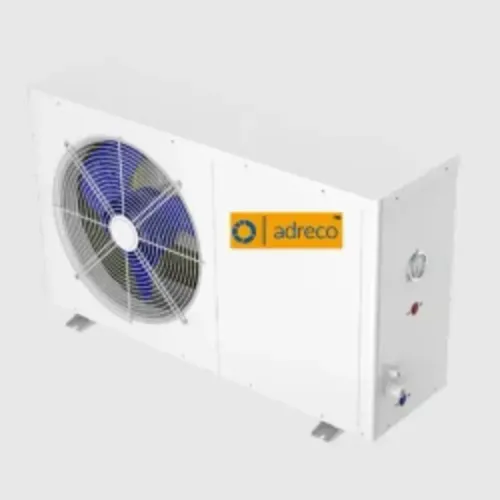
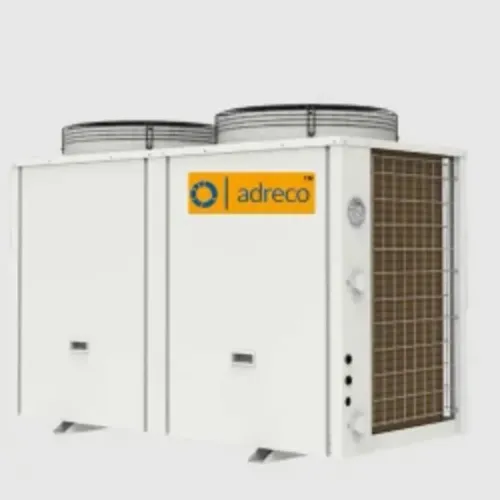
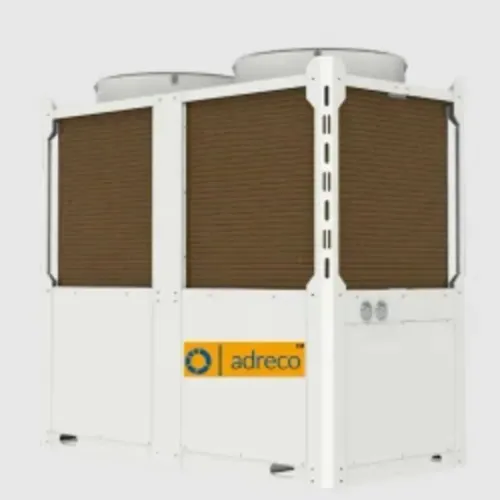
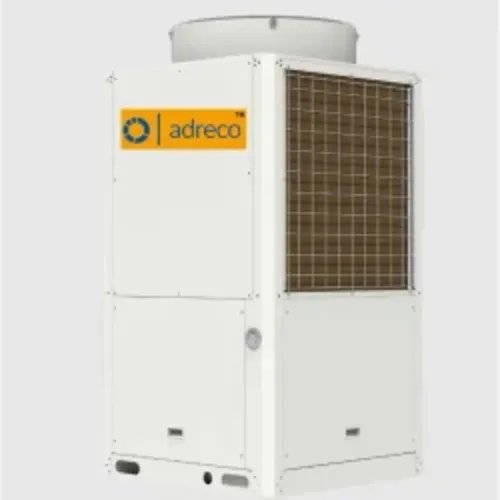
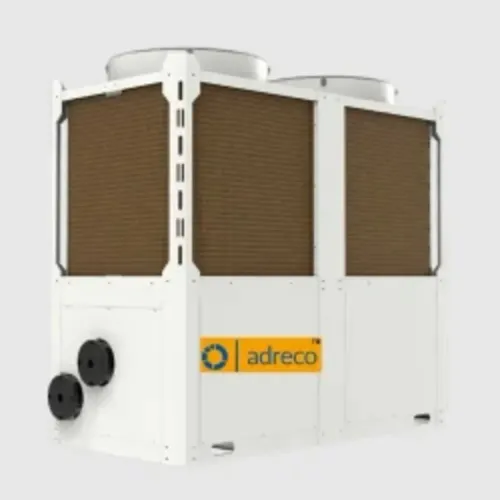
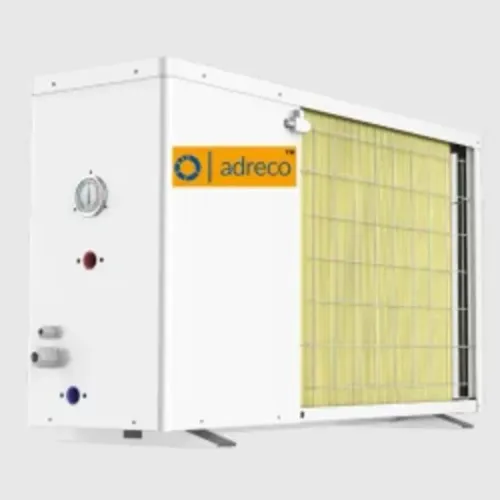
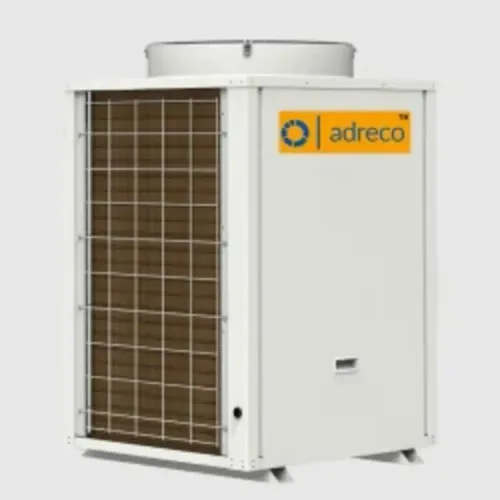
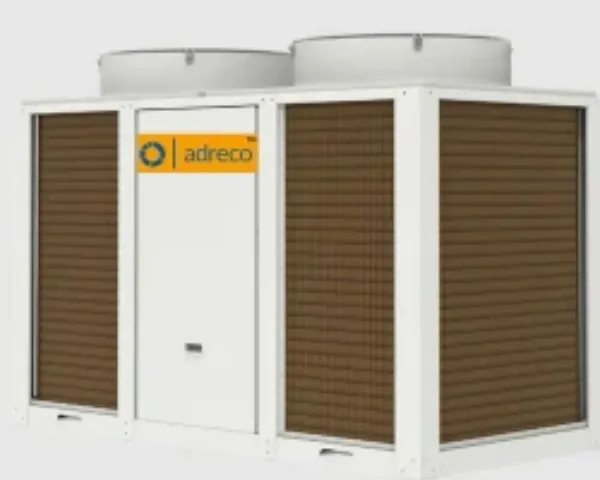
Adreco Engineering Pvt Ltd manufactures heat pump and HVAC solutions for different heating requirements. When discussing pool heating, buyers should expect questions about pool dimensions, location, desired temperature, operating months, circulation equipment, and daily usage.
A provider who requests detailed project information can assess the application more meaningfully than one selecting equipment from pool volume alone.
A dependable Pool Heating System begins with accurate sizing and realistic expectations. By checking pool volume, target temperature, seasonal use, heat losses, circulation, equipment performance, installation conditions, and technical support, buyers can make a more informed decision and create a pool environment that remains comfortable for its intended operating period.
Keywords