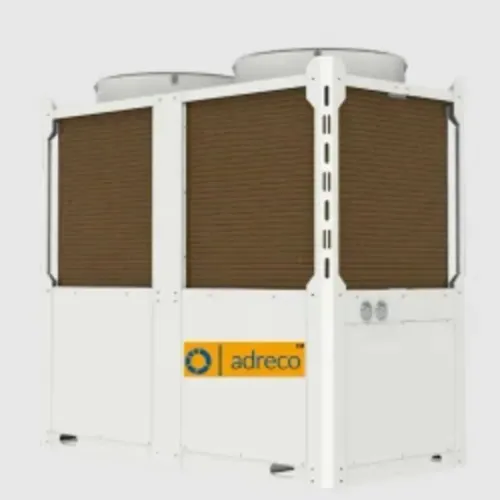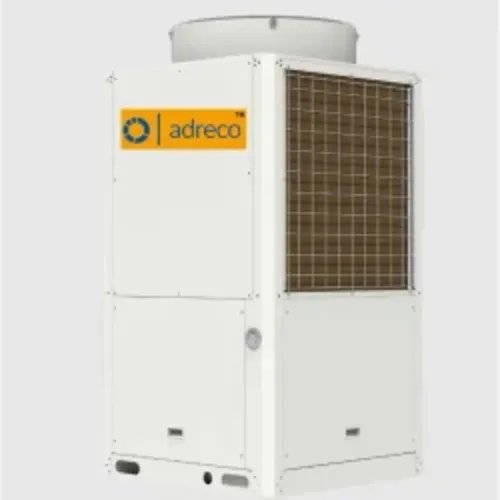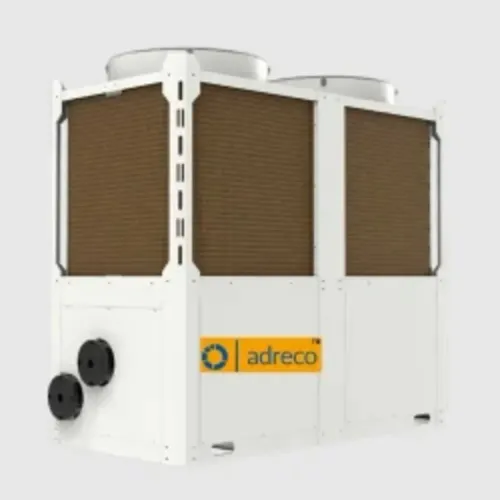
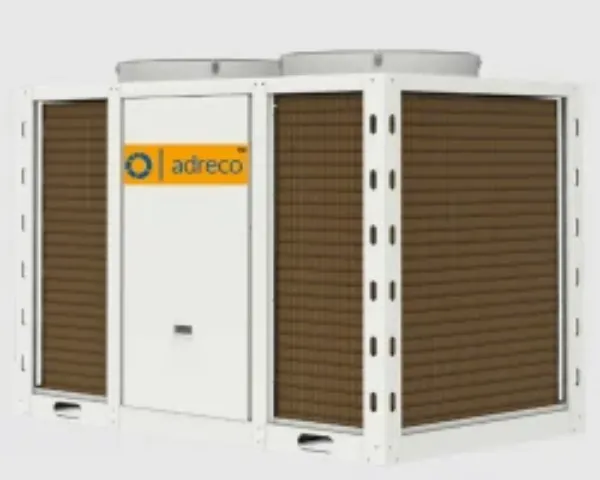
Hot water is an everyday operational requirement across hotels, hospitals, hostels, institutions, commercial kitchens, residential developments, and many industrial facilities. Where demand is substantial, the method used to produce hot water can influence both energy consumption and operating costs.
Heat Pump heaters use a refrigeration cycle to capture available thermal energy from the surrounding environment and transfer it into water. Understanding how this process works helps property owners decide where the technology may be suitable.
The Basic Heat Transfer Cycle
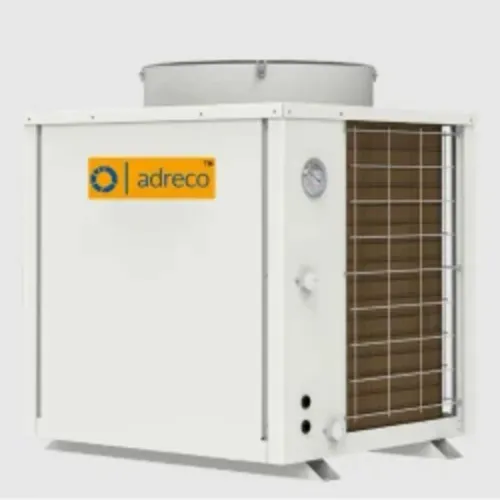
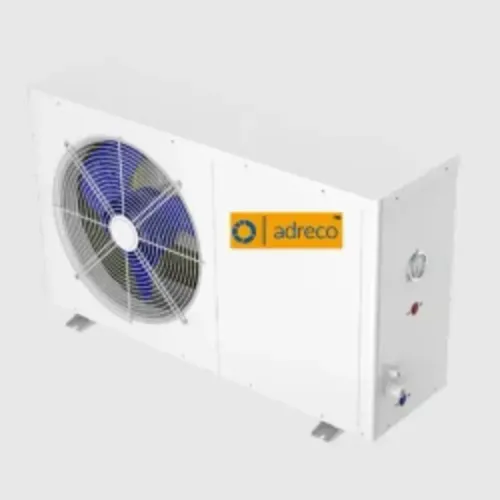
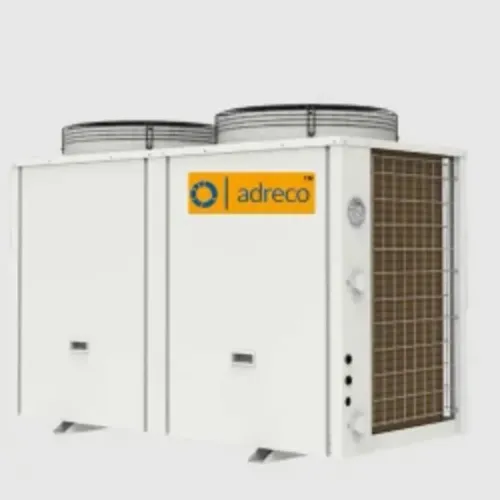
An air-source heat pump typically contains an evaporator, compressor, condenser, expansion device, refrigerant circuit, fan, and controls.
During operation, refrigerant absorbs thermal energy at the evaporator. The compressor raises the pressure and temperature of the refrigerant. Heat is then transferred to water through the condenser or heat exchanger.
After the refrigerant releases heat, it passes through an expansion process and returns to repeat the cycle.
The important distinction is that the system is transferring heat rather than relying entirely on direct electrical resistance to generate it.
What Affects Hot-Water Performance?
Heat pump performance is influenced by both the source temperature and the required hot-water temperature.
When the difference between ambient temperature and required output temperature becomes greater, the compressor generally has to work harder.
Other factors affecting performance include:
- Incoming water temperature
- Hot-water set point
- Ambient conditions
- Refrigerant and compressor technology
- Heat exchanger design
- Water-flow rate
- Installation quality
- Equipment maintenance
Therefore, buyers should evaluate equipment under conditions similar to their actual application.
Storage Is Often Important
Many commercial hot-water systems combine a heat pump with insulated storage.
Storage allows hot water produced over time to be available during peak-demand periods. This can be useful in hotels and hospitals, where demand may rise sharply at particular times.
Correct storage capacity depends on consumption patterns rather than building size alone.
For example, two hotels with the same number of rooms may have different peak requirements because of occupancy, kitchens, laundry operations, and guest-use patterns.
Controls Help Coordinate Operation
A properly configured control system can monitor tank temperatures and activate the heat pump when required.
More sophisticated arrangements may coordinate multiple units, circulation pumps, backup heating, and temperature sensors.
Good control logic prevents unnecessary operation while ensuring adequate hot-water availability.
Installation Conditions Should Not Be Overlooked
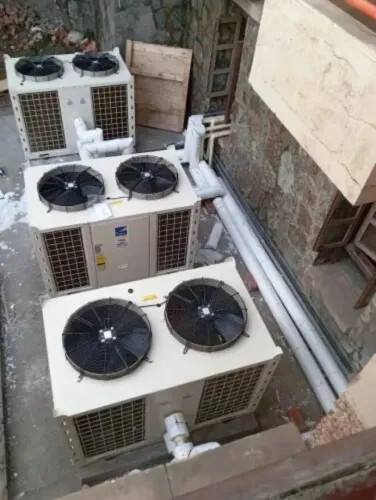
Air-source equipment requires sufficient airflow around the evaporator. Poor ventilation or obstructed airflow can affect operation.
Pipe insulation is also important because heat lost between the equipment and storage or consumption points represents energy that must be produced again.
Drainage, electrical supply, equipment access, and maintenance clearance should all be considered during planning.
Adreco Engineering Pvt Ltd works with heat pump-based heating solutions for hospitality, healthcare, commercial, institutional, residential, and industrial requirements. In Chandigarh and nearby markets, system design should account for local seasonal conditions as well as the facility's daily hot-water profile.
Heat Pump heaters can provide an efficient approach to water heating when equipment capacity, storage, controls, installation, and operating temperatures are properly matched. Understanding these fundamentals enables decision-makers to evaluate the technology on practical performance rather than assumptions about equipment size alone.
Keywords