Swimming pools can quickly become uncomfortable when water temperatures fall below the preferred range. Outdoor pools are particularly affected by changing weather, while indoor pools can also lose substantial heat through evaporation and surrounding environmental conditions.
A properly planned Pool Heating System helps facility operators maintain more consistent water temperatures and potentially extend the usable swimming season.
For hotels, clubs, schools, sports facilities, residential developments, and private properties in Chandigarh, the first step is understanding where pool heat is lost and how much heating capacity is actually required.
Why Does Pool Water Lose Heat?
Evaporation is one of the major sources of swimming-pool heat loss.
Whenever water evaporates from the surface, it carries thermal energy with it. Wind can accelerate evaporation in outdoor pools, increasing the heating requirement.
Heat can also be lost through:
- Cooler surrounding air
- Pool walls and floor
- Fresh make-up water
- Night-time temperature drops
- Ventilation in indoor pool areas
A heating system therefore needs to compensate for these losses rather than simply heat the pool once.
Pool Size Is Only One Design Factor
It is tempting to choose a heater based solely on pool volume. However, two pools containing similar quantities of water can have very different heating requirements.
A system designer should consider the pool's surface area, indoor or outdoor location, desired water temperature, ambient conditions, wind exposure, usage schedule, and whether a pool cover is used.
The required warm-up time is also important.
A pool that needs to reach the target temperature quickly may require a different design approach from one that is maintained continuously.
How Heat Pumps Fit Pool Applications
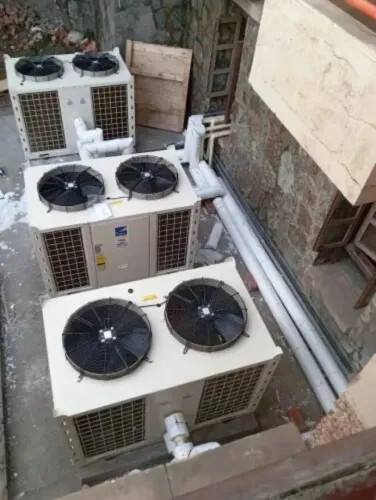
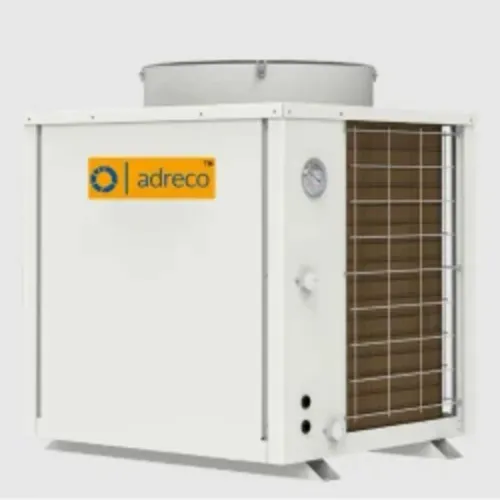
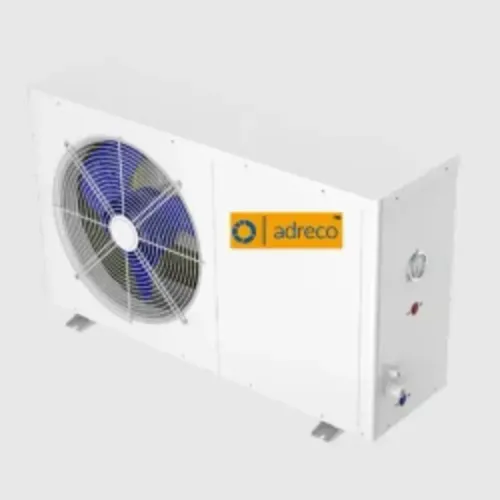
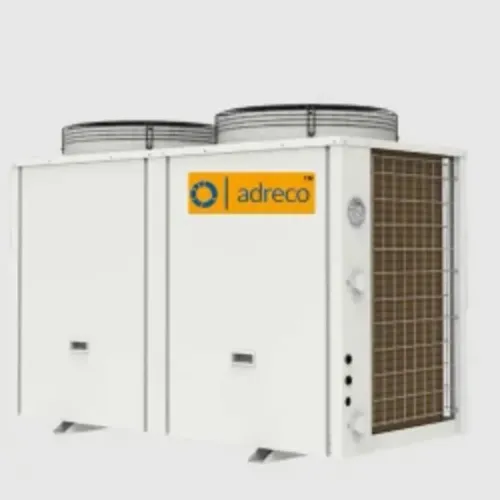
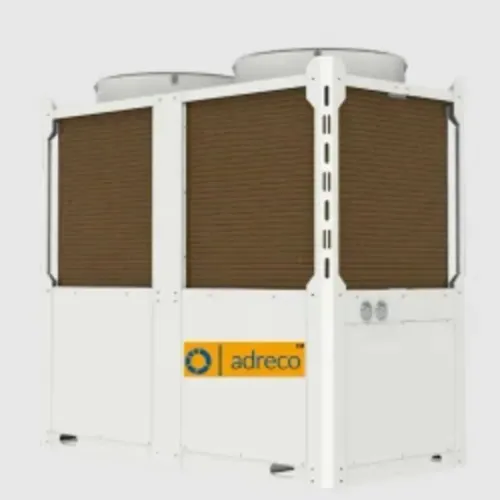
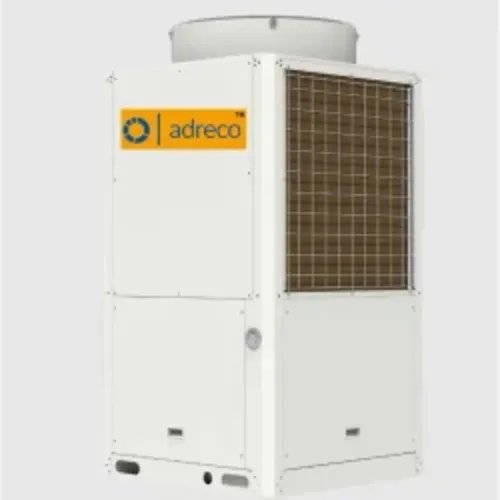
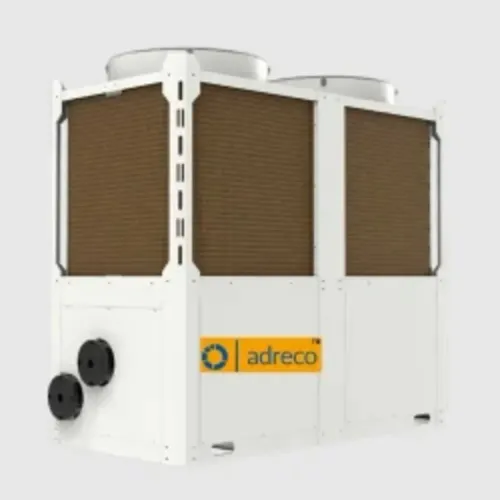
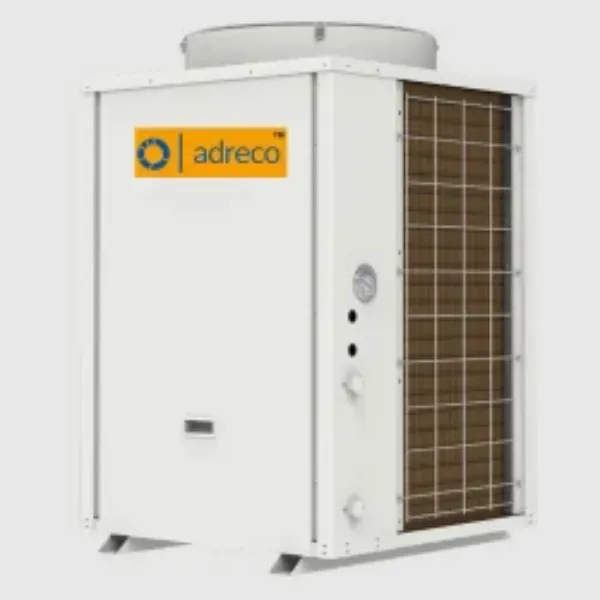
Heat pumps can be used to transfer thermal energy from ambient air into swimming-pool water through an appropriate heat exchange arrangement.
They are particularly relevant for applications where pool temperatures need to be maintained for extended periods.
Performance depends on outdoor conditions and system configuration, so equipment should be selected according to realistic seasonal operating conditions.
For Chandigarh properties, winter and transitional-season temperatures should be considered rather than evaluating equipment only under warmer conditions.
A Pool Cover Can Make a Significant Difference
One of the simplest ways to reduce heating demand is to limit heat loss when the pool is not being used.
A suitable pool cover reduces evaporation and can help retain water temperature overnight.
This means the heating system has less lost energy to replace.
Other practical measures include insulating exposed hot-water piping, maintaining appropriate circulation, and avoiding unnecessarily high temperature settings.
Indoor Pools Need Additional Planning
Heating the water is only part of indoor pool management.
Indoor facilities also need to consider humidity, ventilation, condensation, and air temperature. If the surrounding air is not managed properly, evaporation can increase and condensation may affect walls, glazing, ceilings, or other building surfaces.
Pool-water heating should therefore be considered alongside the broader environmental control strategy.
Plan Around Actual Usage
A hotel pool may need predictable daily temperatures for guests, while a school facility may operate according to fixed training sessions. Residential pools may be used less frequently.
Adreco Engineering Pvt Ltd supports heating applications for swimming facilities and other properties. For projects in Chandigarh, assessing pool dimensions, environmental conditions, operating schedules, and target temperatures can help determine a suitable solution.
An effective Pool Heating System is not simply about installing a larger heater. Reducing heat loss, selecting appropriate capacity, controlling operating times, and using the right supporting equipment can all contribute to more consistent pool temperatures and better energy management.
Keywords