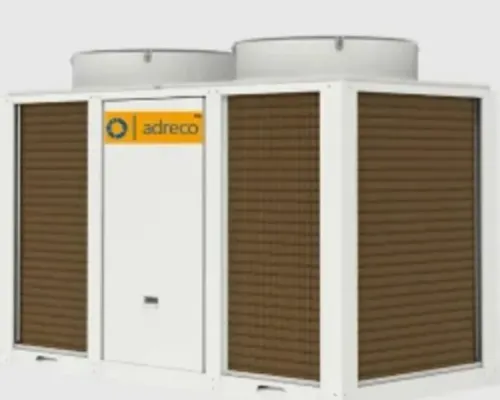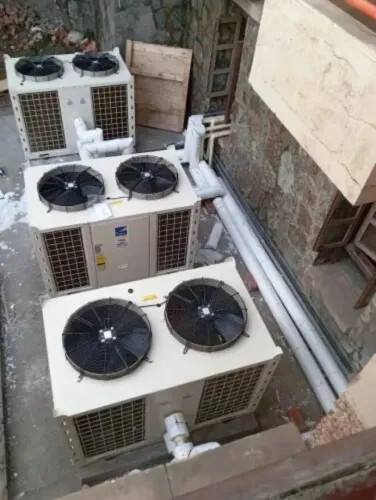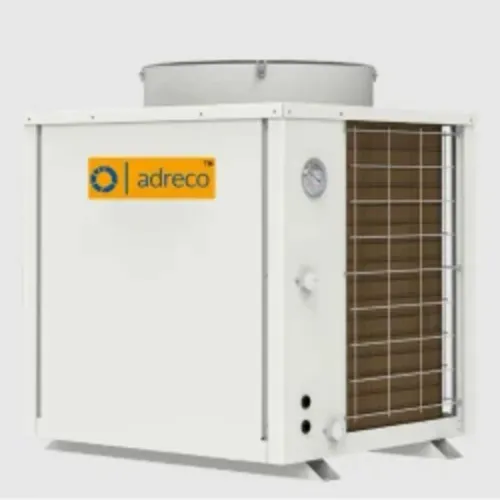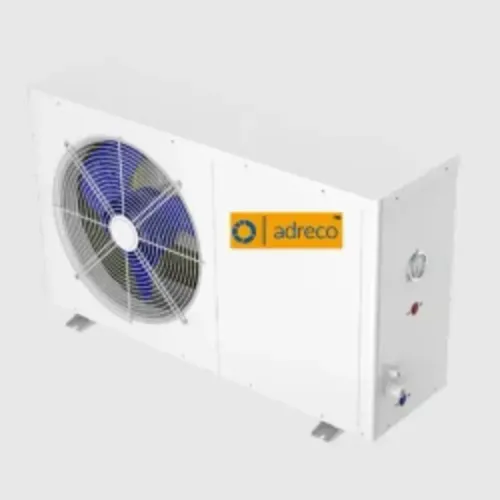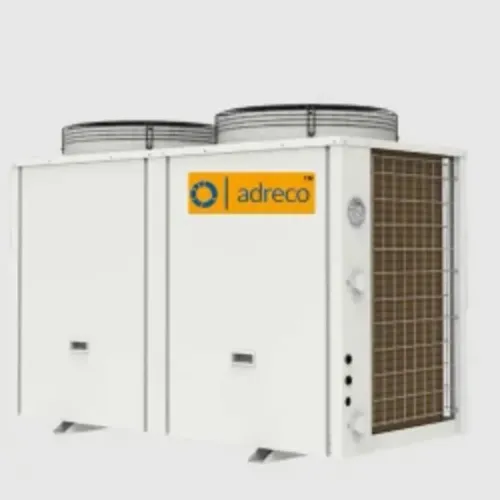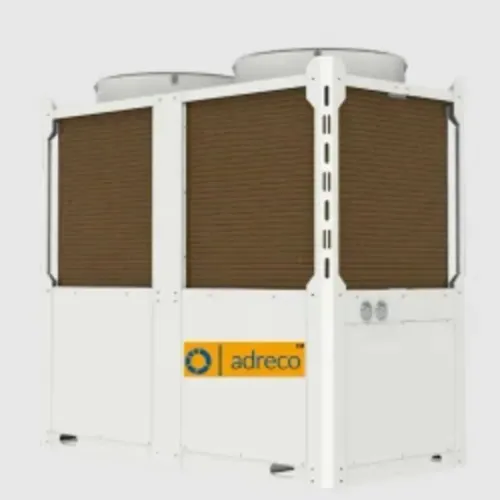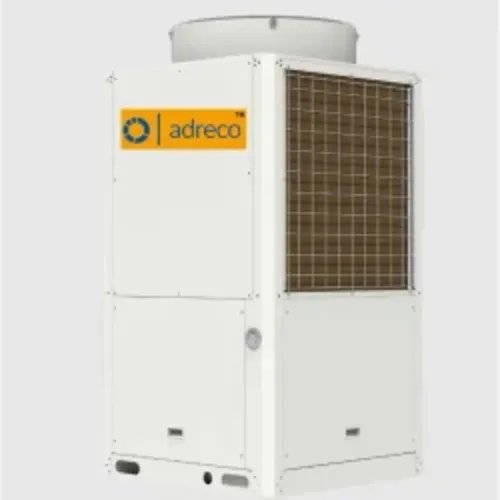
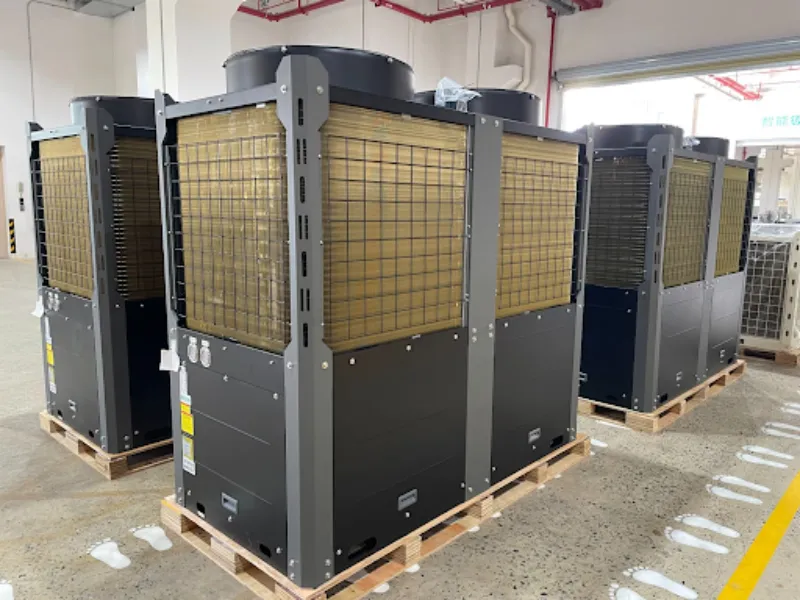
An Air Source Heat Pump can serve hot-water, space-heating, pool-heating, and selected commercial applications by extracting thermal energy from outdoor air. The technology can reduce dependence on conventional heating methods, but long-term performance depends heavily on equipment selection and system design.
For homeowners, builders, architects, hotels, healthcare facilities, commercial property owners, and industrial users in Chandigarh, choosing a provider should involve a technical evaluation rather than a price-only comparison.
Begin With a Proper Heat Load
Before discussing equipment capacity, establish the heating requirement.
For space heating, this means assessing building dimensions, insulation, glazing, ventilation, occupancy, and desired indoor temperatures.
For hot-water projects, daily consumption, peak demand, incoming water temperature, required delivery temperature, and storage capacity become important.
Without this information, equipment selection can easily become guesswork.
Check Performance Across Operating Conditions
An Air Source Heat Pump does not operate under one fixed environmental condition throughout the year.
Outdoor temperature changes continuously, which can affect available heating capacity and efficiency.
Ask the provider for relevant performance information across the expected operating range rather than considering only a nominal rating.
This is particularly important when the system must provide dependable winter heating.
Confirm the Required Water Temperature
Heat pump performance is influenced by the temperature it needs to produce.
A low-temperature space-heating circuit can create different operating conditions from a domestic hot-water system or high-temperature commercial application.
The provider should therefore understand both the heat load and required output temperature before recommending a model.
Examine Installation Requirements
Correct placement supports proper airflow and future maintenance.
Before installation, confirm:
- Required clearances
- Air intake and discharge space
- Drainage provision
- Electrical supply
- Water connections
- Noise considerations
- Service access
- Foundation requirements
For larger commercial installations, plant-room integration and pipe routing should be planned early.
Review Controls Carefully
Controls determine when and how heating equipment operates.
Useful functions can include temperature management, scheduling, multiple-unit coordination, pump control, and integration with other parts of the heating system.
Controls should suit the actual application rather than adding unnecessary complexity.
Ask About Maintenance Support
Long-term heating performance depends partly on routine maintenance.
Airflow paths should remain clear, water circulation should be maintained, electrical components should be inspected according to recommendations, and system operating parameters should be checked periodically.
Commercial properties should establish how routine maintenance and technical support will be handled before commissioning.
Assess Provider Readiness
A capable heat pump provider should ask detailed questions before finalising equipment.
Adreco Engineering Pvt Ltd operates in the heat pump manufacturing and energy-efficient heating segment. For a Chandigarh project, the assessment should account for local seasonal conditions alongside the specific requirements of the building or process.
Useful information to prepare includes drawings where applicable, required temperatures, operating hours, existing heating equipment, available electrical supply, consumption data, and expected future load changes.
Make the Decision Around Lifecycle Performance
Purchase price is only one component of a heating investment.
Expected electricity consumption, equipment life, maintenance, installation requirements, controls, storage, existing infrastructure, and operating hours should also be considered.
A correctly selected Air Source Heat Pump should be matched to the application's real thermal demand and expected operating environment. Buyers who evaluate technical capacity, seasonal performance, system integration, controls, installation quality, and ongoing support are better positioned to achieve dependable heating performance over the life of the system.
Keywords