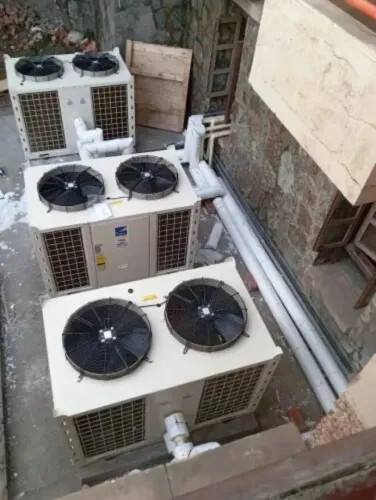
Swimming facilities are valuable amenities for hotels, resorts, clubs, schools, fitness centres, residential communities, and private properties. Their usefulness, however, can decline when water becomes too cold for comfortable swimming.
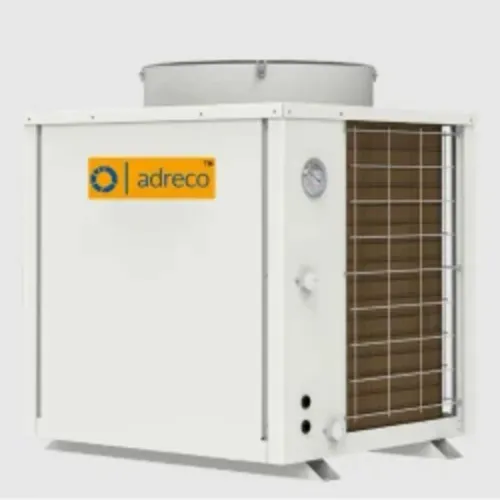
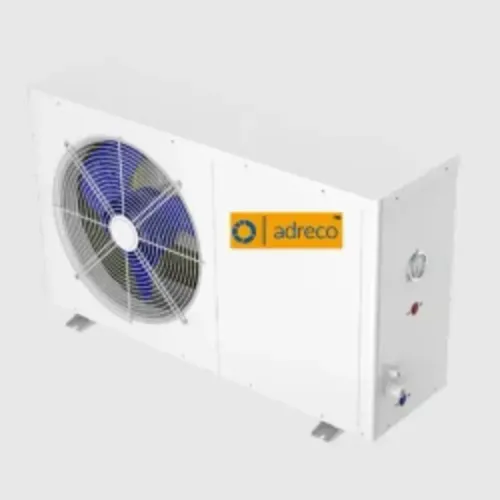
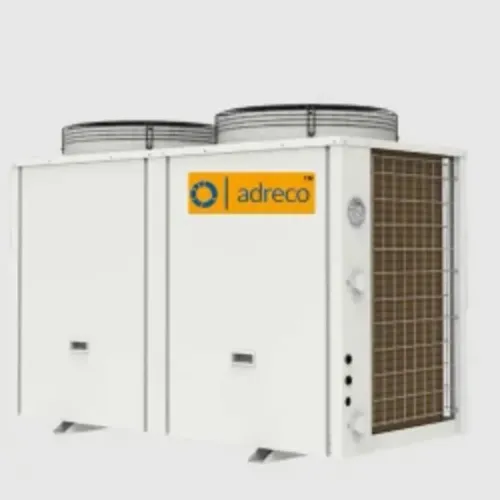
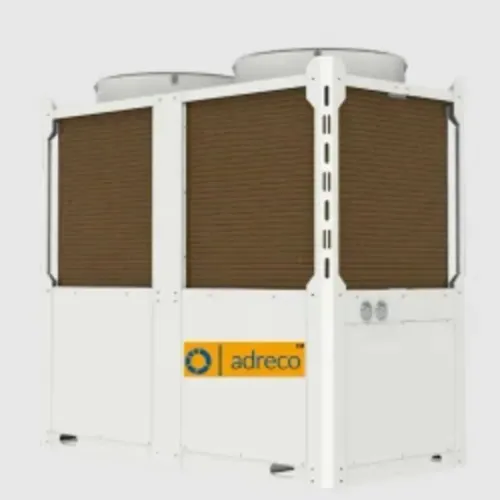
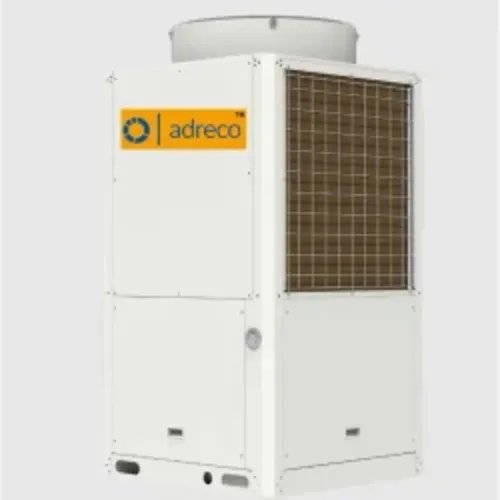
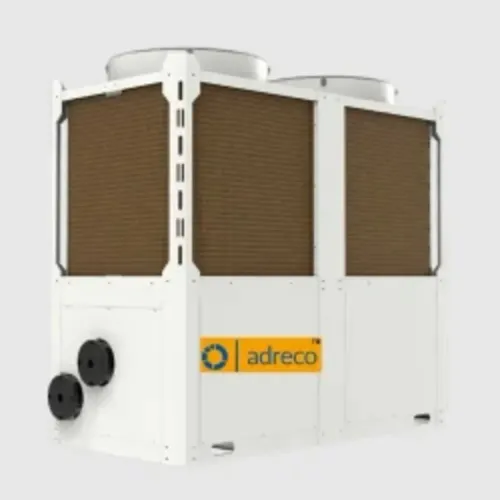
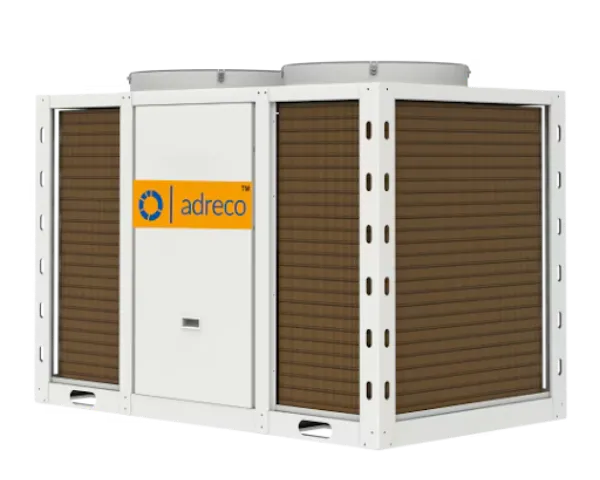
A Swimming Pool Heat Pump can help maintain pool-water temperatures by transferring thermal energy from ambient air into the circulating water. For facilities seeking a longer usable pool season, it can be worth evaluating how this approach compares with their operational needs.
Why Seasonal Pool Heating Needs Planning
Pool water has substantial thermal mass. Heating a large quantity of water from a low starting temperature can take considerable time and energy.
Once the desired temperature is reached, the system must continue replacing heat lost to the environment.
Outdoor pools can lose heat through evaporation, wind, radiation, and cooler night-time air. Indoor pools are less exposed to wind but still experience evaporation and ventilation-related heat loss.
The equipment therefore needs to be selected for both initial heating and ongoing temperature maintenance.
When Is a Heat Pump Particularly Useful?
Heat pump pool heating can be well suited to facilities that want relatively consistent temperatures over extended operating periods.
Examples include:
- Hotels offering pools as a guest amenity
- Swimming academies running scheduled classes
- Clubs with regular member use
- Residential societies with seasonal pool operation
- Institutional sports facilities
- Private pools used frequently
Facilities that heat a pool only occasionally may have a different operating profile and should compare available heating approaches accordingly.
Don't Ignore the Pool Cover
A pool cover is one of the most practical complements to a heating system.
When a pool is unused, covering the surface can substantially reduce evaporation. This helps preserve heat already added to the water.
For an outdoor pool in Chandigarh, using a cover overnight can be especially useful when air temperatures fall.
Reducing heat loss can lower the amount of heating that needs to be supplied the following day.
Evaluate Heat Exchanger Compatibility
Pool water is chemically treated, so the materials exposed to the water need to be appropriate for the application.
Water chemistry, treatment method, and heat exchanger construction should be considered during equipment selection.
Maintaining pool chemistry within recommended ranges is also important for the pool infrastructure generally.
Plan for Circulation and Controls
Heating depends on proper water circulation through the system.
Flow rates need to remain within the equipment's operating requirements. Controls should coordinate heating operation with circulation and monitor the pool-water temperature.
A correctly located temperature sensor helps prevent unnecessary heating and supports stable temperature control.
Calculate Costs Using Real Operating Conditions
A useful financial evaluation should not rely on the purchase price alone.
Consider:
- Required heating capacity
- Daily operating duration
- Seasonal ambient temperature
- Desired pool temperature
- Electricity tariff
- Heat loss
- Pool-cover use
- Maintenance requirements
- Expected annual operating period
This creates a more realistic basis for comparing systems.
Match the System to the Facility
A hotel pool with daily guest use has different requirements from a private residential pool. Likewise, a training pool may require tighter temperature consistency than a recreational facility.
Adreco Engineering Pvt Ltd provides heating solutions for swimming pools and other applications. For projects in Chandigarh, a site-specific evaluation can account for pool size, surface area, desired temperature, operating season, environmental exposure, and existing filtration infrastructure.
A Swimming Pool Heat Pump is most effective when it is part of a complete temperature-management strategy. Appropriate sizing, good circulation, suitable controls, reduced evaporation, and realistic operating schedules can help facilities maintain comfortable pool conditions across a wider part of the year.
Keywords