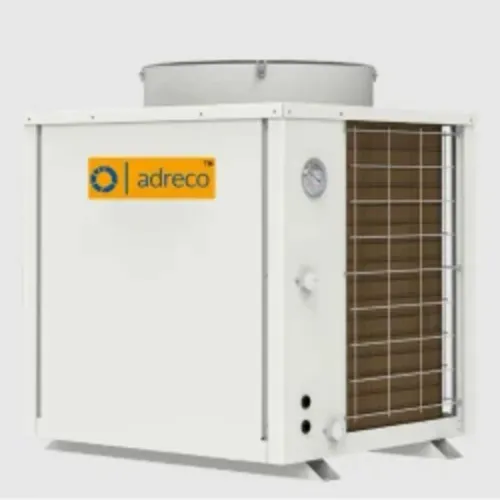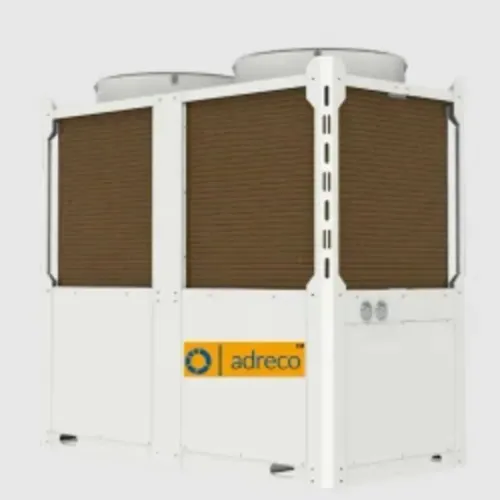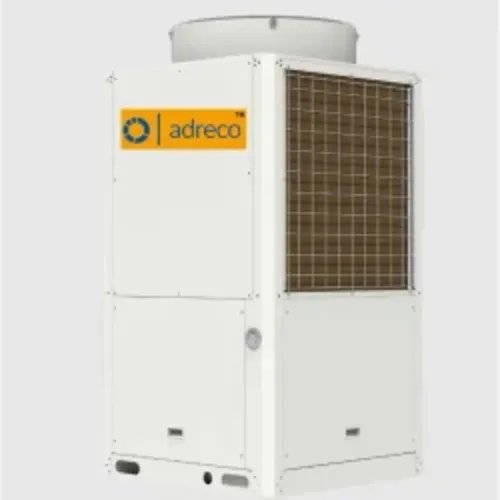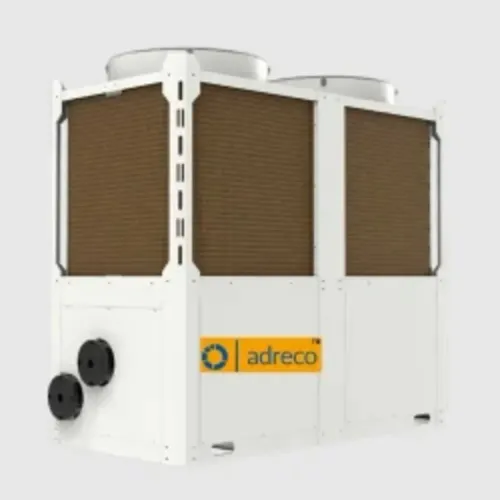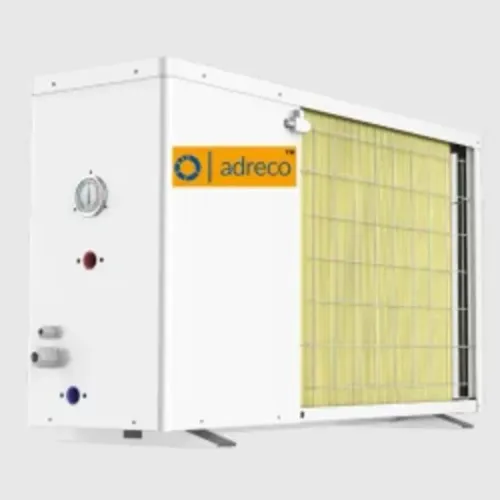
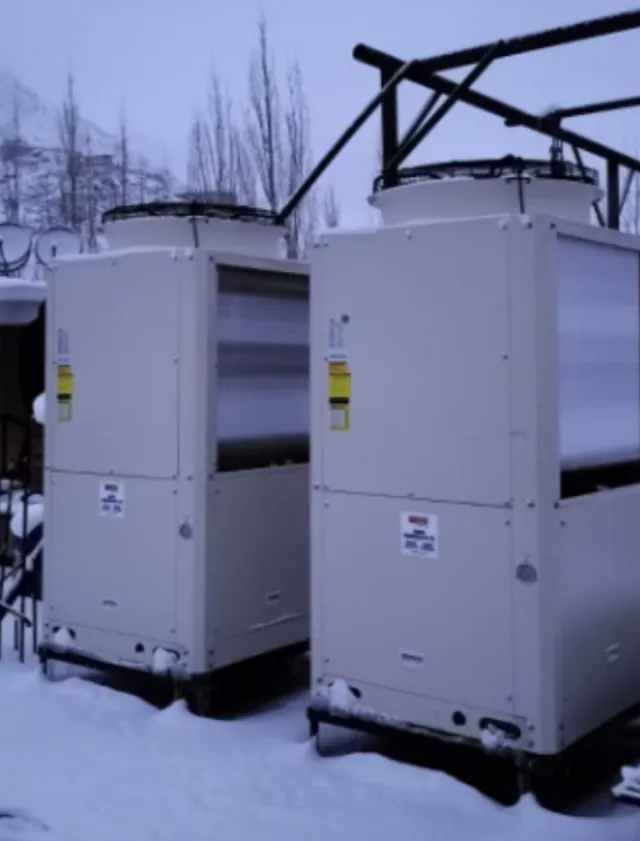
Maintaining comfortable indoor temperatures becomes an important operational requirement when winter temperatures fall. Large buildings, hotels, hospitals, educational institutions, offices, industrial facilities, and premium residential projects often need more than portable heaters or isolated heating units. A properly designed Space heating system can provide controlled warmth across occupied areas while helping building operators manage energy consumption more systematically.
For properties in Chandigarh and surrounding regions of Punjab and Haryana, heating requirements can vary considerably according to building size, insulation, occupancy, operating hours, and outdoor conditions. Understanding these factors is important before selecting a heating solution.
How Does a Space Heating System Work?
A space heating arrangement is designed to increase and maintain the temperature of an indoor area. Depending on the system configuration, heat may be distributed through warm air, heated water, fan coil units, radiators, underfloor systems, or other terminal equipment.
Heat pumps are increasingly considered for this purpose because they transfer available heat rather than relying entirely on direct electrical resistance heating.
An appropriately engineered system generally considers:
- Required indoor temperature
- Outdoor winter conditions
- Building floor area and volume
- Heat loss through walls, windows, roofs, and doors
- Number of occupants
- Ventilation requirements
- Operating schedule
- Existing HVAC infrastructure
These variables determine the heating load and influence equipment selection.
Why Building Insulation Matters
Installing heating equipment without considering heat loss can result in inefficient operation.
Buildings with poorly insulated roofs, walls, windows, or frequently opened entrances lose heat faster. The heating equipment then has to operate for longer periods to maintain the desired indoor temperature.
Before deciding system capacity, project planners should therefore assess the building envelope. Improvements such as suitable glazing, roof insulation, weather sealing, and controlled ventilation may reduce the heating load.
This is especially relevant for commercial properties where even a small improvement in efficiency can become significant over many operating hours.
Different Buildings Have Different Heating Requirements
There is no universal heating configuration suitable for every property.
Hotels may need heating in guest rooms, reception areas, restaurants, corridors, and common spaces. Hospitals can have different temperature requirements for patient rooms, clinical areas, waiting spaces, and administrative sections.
Industrial buildings may require heating only in specific production or working areas. Residential projects generally prioritize comfort, quiet operation, compact equipment, and convenient controls.
Educational institutions may need systems that operate primarily during classroom hours.
Understanding actual usage patterns prevents unnecessary oversizing and helps create a more practical system.
Temperature Control Improves Heating Management
Modern heating systems can be designed with thermostatic controls and zoning.
Instead of maintaining exactly the same temperature throughout an entire property, different zones can be controlled according to occupancy and function. An unused conference room, for example, may not need the same continuous heating as an occupied hotel lobby.
Zoning can therefore improve comfort while reducing avoidable energy consumption.
Controls can also help operators establish heating schedules based on daily building usage.
Why System Design Should Come Before Equipment Selection
Choosing equipment only by looking at its rated capacity can be misleading. Actual heating performance depends on operating conditions and the overall system design.
A professional assessment should consider heat demand, distribution method, piping or duct requirements, control strategy, installation space, electrical requirements, and expected operating temperatures.
Adreco Engineering Pvt Ltd works with heating and heat pump applications for commercial, institutional, industrial, hospitality, and residential projects. For projects in Chandigarh, evaluating the complete heating requirement before finalizing equipment can help ensure that the system is suited to real operating conditions.
A well-planned Space heating system is ultimately about more than generating warmth. Correct load assessment, suitable equipment, efficient distribution, insulation, and appropriate controls need to work together to create dependable indoor comfort throughout colder periods.
Keywords