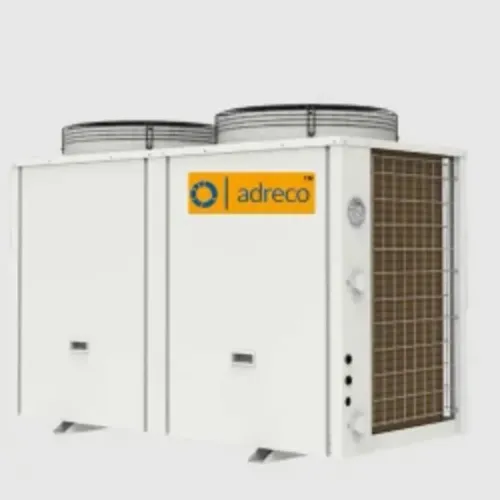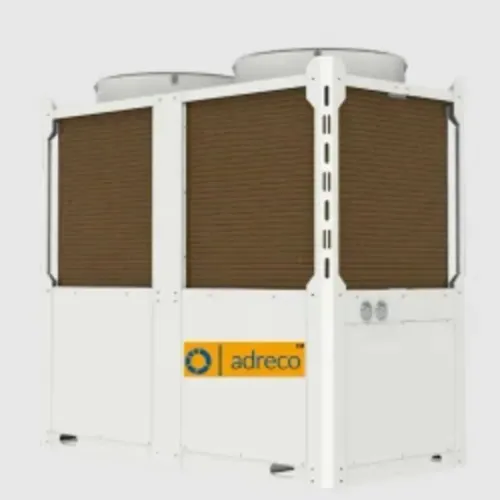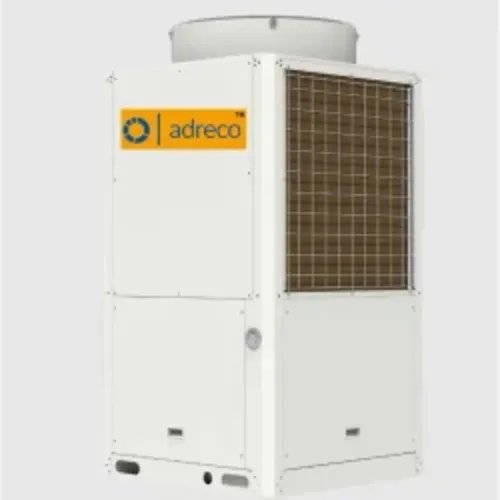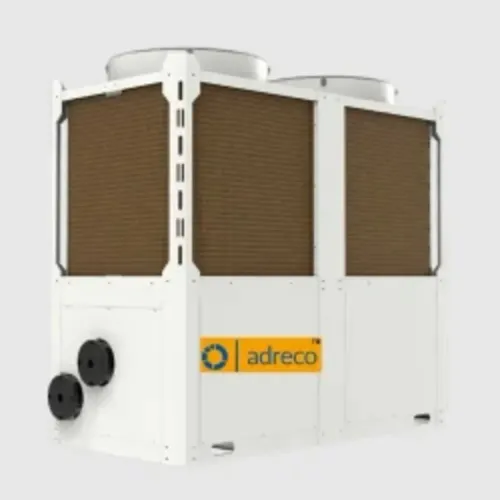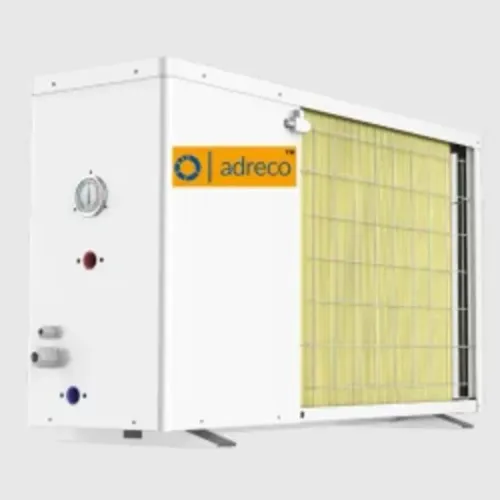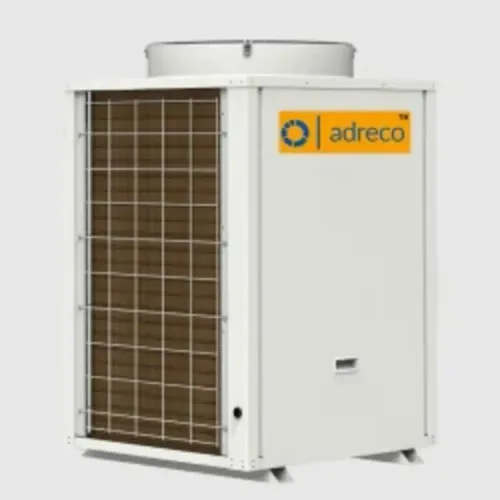
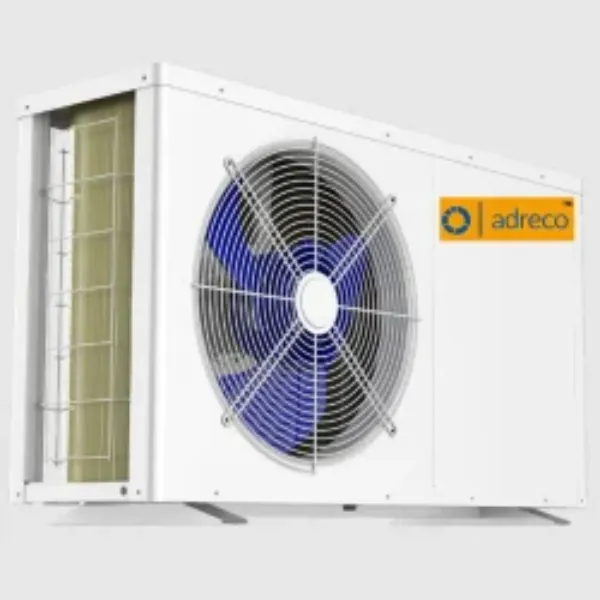
Households looking to improve hot-water efficiency increasingly encounter Domestic Heat Pumps as an alternative to conventional electric water heaters and other heating arrangements. The technology can be particularly relevant for villas, larger homes, apartment developments, guest houses, and residences with substantial or centralized hot-water demand.
For homeowners and residential developers in Chandigarh, choosing the right system requires more than comparing tank capacities or equipment prices.
Start With the Household's Real Hot-Water Demand
The number of people living in a property provides a useful starting point, but it does not tell the complete story.
Daily hot-water requirements depend on:
- Number of bathrooms
- Typical shower duration
- Bathing schedules
- Kitchen requirements
- Domestic staff usage
- Simultaneous bathroom use
- Desired water temperature
- Seasonal incoming-water temperature
A household where several bathrooms are used within the same hour can have a much higher peak requirement than one where consumption is spread throughout the day.
Heat Pump or Conventional Electric Heating?
Conventional electric resistance heaters convert electrical energy directly into heat. They are familiar, compact, and can work well for relatively small or intermittent requirements.
A heat pump operates differently by transferring environmental heat into the water.
This can make heat pump technology attractive for higher or recurring hot-water loads, but installation requirements are different. Air-source systems need suitable airflow and sufficient installation space.
The right choice therefore depends on both energy considerations and practical site conditions.
Centralized Systems Can Simplify Larger Requirements
A property with several individual water heaters may benefit from evaluating a centralized hot-water arrangement.
Centralization can allow hot water to be produced and stored in a planned manner before being distributed to bathrooms and other outlets.
However, distribution losses need attention.
Long, poorly insulated hot-water pipes can waste heat and increase waiting time at taps. Appropriate pipe insulation and, where necessary, properly designed circulation can improve usability.
Compare More Than Purchase Price
The lowest-cost unit is not necessarily the lowest-cost system over its useful operating period.
Residential buyers should evaluate:
- Equipment capacity
- Expected electricity consumption
- Storage requirement
- Installation cost
- Warranty conditions
- Service availability
- Controls
- Expected maintenance
- Performance during colder weather
This broader comparison gives a more realistic view of ownership.
Noise and Placement Matter at Home
Residential equipment should be positioned thoughtfully.
Outdoor heat pump units contain fans and compressors, so sound levels and airflow need to be considered. Installation immediately beside bedroom windows or enclosed balconies may be undesirable unless the equipment and location have been properly assessed.
Service access is equally important. Technicians should be able to reach major components without dismantling surrounding structures.
Consider Winter Conditions
Chandigarh experiences a meaningful seasonal temperature range. An air-source unit that performs strongly during warmer months may operate differently on cold winter mornings.
Buyers should therefore ask how the proposed equipment performs under lower ambient temperatures and whether additional capacity or backup arrangements are appropriate for the property.
Adreco Engineering Pvt Ltd provides heating and heat pump solutions for residential as well as larger commercial applications. A residential project benefits most when equipment selection begins with actual consumption and site conditions rather than a generic capacity recommendation.
Well-selected Domestic Heat Pumps can support dependable household hot water while improving the way energy is used for heating. The key is to compare realistic demand, winter performance, storage, installation, controls, and long-term operating requirements before making the final decision.
Keywords