A solar heat pump can mean a photovoltaic-powered heat-pump water heater, a heat pump paired with solar-thermal collectors, or a grid-connected heat pump that uses solar electricity when available. You will be able to identify the system type, estimate its real energy and payback performance, and test whether its installation demands suit your household.
Key takeaways
- Choose between PV-powered and solar-thermal heat-pump designs.
- Size the tank, heat pump, solar array, and backup together.
- Calculate savings from energy use, tariffs, maintenance, and installation cost.
- Buy when your hot-water demand and solar resource support the payback period.
What Does “Solar Heat Pump” Actually Mean?
The practical solar heat pump definition is a heat pump that uses solar energy directly or indirectly to heat water. It usually means either a photovoltaic-powered heat pump, which uses PV electricity to run an air-source compressor, or a heat pump combined with solar thermal collectors, which capture sunlight as heat.
| Option | How it produces hot water | Backup requirement |
|---|---|---|
| PV-powered heat pump | Solar electricity powers the compressor, which extracts heat from air and transfers it into a storage tank. | Grid electricity or another source covers cloudy periods and high demand. |
| Heat pump with solar thermal collectors | Collectors heat a circulating fluid, which transfers heat to the tank; the heat pump supplies additional heat when solar input is insufficient. | A heat pump, resistance element, gas heater, or grid supply is needed. |
| Solar thermal water heater | Collectors transfer captured solar heat directly to water through a tank or heat exchanger. | Backup heating is essential when sunlight is weak or demand exceeds stored hot water. |
The key difference in a heat-pump water heater versus solar water heater is that an HPWH moves heat from air using electricity, while a solar thermal system collects sunlight as heat. A PV array does not make an HPWH free: the compressor still consumes electricity, and a tank only stores hot water for later use.
Grid connection, export credits, battery storage, and the backup element affect the actual cost.
How Much Energy Can the System Save?
An electric-resistance water heater turns 1 kWh of electricity into roughly 1 kWh of heat. A heat pump moves 2–3 kWh of heat for each 1 kWh it consumes, so it can use about one-third to one-half as much electricity.
Compare the heat-pump COP versus UEF carefully: COP describes heat moved per unit of electricity, while UEF is an annual-use rating that includes recovery and standby losses.
| Option | Energy comparison | What changes in practice |
|---|---|---|
| Electric resistance | Highest electricity use | Heat-pump-only operation cuts consumption; high-demand mode can bring the resistance element back on. |
| Gas water heater | Uses gas rather than much electricity | The heat pump reduces purchased gas only when it replaces the burner; compare fuel tariffs and service charges, not electricity alone. |
| LPG water heater | Uses LPG rather than much electricity | Savings depend on LPG cylinder or bulk-fuel prices, delivery costs, and the heat pump’s seasonal COP. |
| Solar thermal | Collects heat directly from sunlight | It can provide a large share of hot-water energy, but needs pumps, controls, freeze protection where required, and backup heating. |
| Conventional heat pump | Uses grid electricity for the compressor | Photovoltaic power can offset that electricity; the heat-pump hardware still consumes power, especially during cloudy or cold periods. |
Solar generation rarely matches hot-water demand. Heating the tank during sunny hours creates limited thermal storage, while exports, batteries, tariffs, and backup-element use determine the bill. Cold air also lowers capacity and efficiency, so frequent electric backup can erase the expected saving.
How Do You Size the Tank, Heat Pump, Solar System, and Backup?
Size the system for peak hot-water demand, not the tank label alone. Calculate the litres needed during the busiest hour, then choose a hot-water cylinder size and heat pump whose first-hour rating meets that volume at the planned storage temperature and local inlet-water temperature.
An undersized unit calls the resistance element or leaves people without hot water; an oversized cylinder costs more and loses more heat in standby.
Ask the installer to document these figures:
- Peak hot-water demand: litres used during the busiest hour, including showers, baths, washing and kitchen use.
- First-hour rating: litres the system can supply in one hour from a full, heated tank; compare this directly with peak demand.
- Heat-pump sizing: compressor output, recovery time and performance at the coldest expected air temperature, not only its nominal rating.
- Hot-water cylinder size: usable storage at the chosen setpoint, with enough volume for demand without paying to heat unused water.
- Solar-system capacity: annual electricity needed for water heating, local solar yield, roof orientation, shading, export value and the hours available for programmed heating.
- Backup capacity: resistance-element output, its control temperature and the conditions that activate it.
Leave the heat pump clearances and airflow specified by its manufacturer, provide suitable drainage for condensate, and check the circuit can supply the compressor and element together. Program heating for sunny or low-tariff periods, but retain enough stored energy for the next demand peak.
A larger tank cannot fix poor recovery or a shaded, undersized solar array.
How Should You Calculate Operating Cost and Payback?
A credible payback calculation needs a measured annual baseline, not the heat pump’s advertised COP. Record how much hot water your household uses, when it uses it, what electricity costs, how much solar electricity is available at those hours, and every installed and ongoing cost.
Collect these figures:
- Occupants, litres of hot water used daily, inlet-water temperature, target tank temperature, and seasonal demand changes.
- Existing heater type, annual electricity or fuel consumption, current energy price, and the electricity tariff, including any fixed charges.
- Heat-pump input power, seasonal COP, heat-pump-only operating hours, resistance-backup hours, standby losses, and expected annual electricity use.
- PV system size, monthly solar generation, self-consumption share, export rate under net metering, and battery charging losses.
- Installation cost, electrical upgrades, plumbing changes, controls, permits, tank replacement, annual servicing, filter cleaning, and likely component replacement.
| Calculation line | Existing heater | Solar heat-pump system |
|---|---|---|
| Annual energy cost | Consumption × electricity tariff | Heat-pump and backup kWh × tariff, minus solar value |
| Solar credit | None | Self-used solar kWh plus exported kWh × net metering rate |
| Time adjustment | Standard rate | Apply each time-of-use tariff period to the kWh used |
| Annual running cost | Energy cost plus maintenance | Grid cost plus maintenance minus solar credit |
| Payback | — | (Installed cost minus rebates) ÷ annual running-cost reduction |
Use monthly figures when solar generation and demand differ by season. A tank heated during sunny hours can increase self-consumption, but frequent high-demand or resistance operation reduces the saving. Include financing interest and compare the result with the cost of keeping the existing heater.
When Is a Solar Heat Pump a Practical Purchase?
A practical purchase has a quote that explains the whole system, not just the tank price. Compare at least two proposals using an installer quote checklist, then reject any quote that omits installation labour, commissioning, warranty, controls, or future service charges.
| Item | Ask each installer to specify | Cost or failure risk |
|---|---|---|
| Electrical circuit | Existing supply, breaker size, cable route, and any 240-volt upgrade | Electrical work can change the price substantially |
| Site conditions | Clearance, floor loading, pipe access, fan noise, drain pan, and condensate drainage | A cramped or damp location can prevent installation |
| Controls | Timer, solar-priority logic, tank temperature, anti-legionella cycle, and grid fallback | Poor settings can increase resistance-heater use |
| Backup | Element, gas heater, or grid supply; state its capacity and changeover conditions | Small backup leaves you without hot water during low solar output |
| Service | Labour rates, refrigerant work, parts availability, response time, and annual solar heat pump maintenance | Low purchase cost can become expensive after warranty |
Choose grid-connected operation unless the design proves that a small solar array can cover demand during cloudy periods. The tank can store heat from sunny hours, but it cannot guarantee hot water without grid or another backup.
Before signing, ask Adreco Engineering Pvt Ltd to identify who will inspect the electrical circuit, drainage route, and controls on your property. A proposal is practical only when those site-specific details and ten-year service costs are written down.
Related products
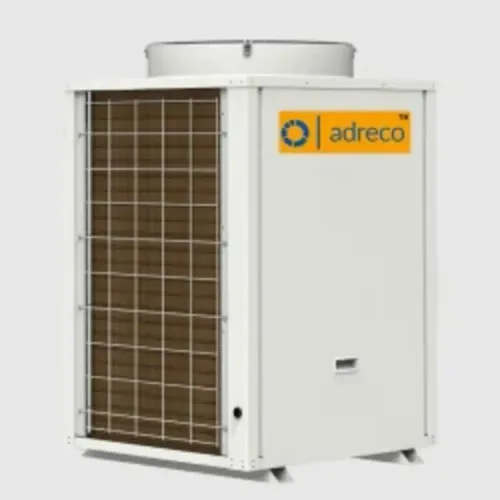
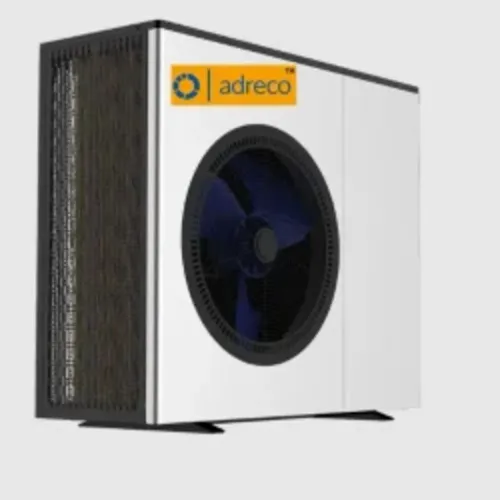
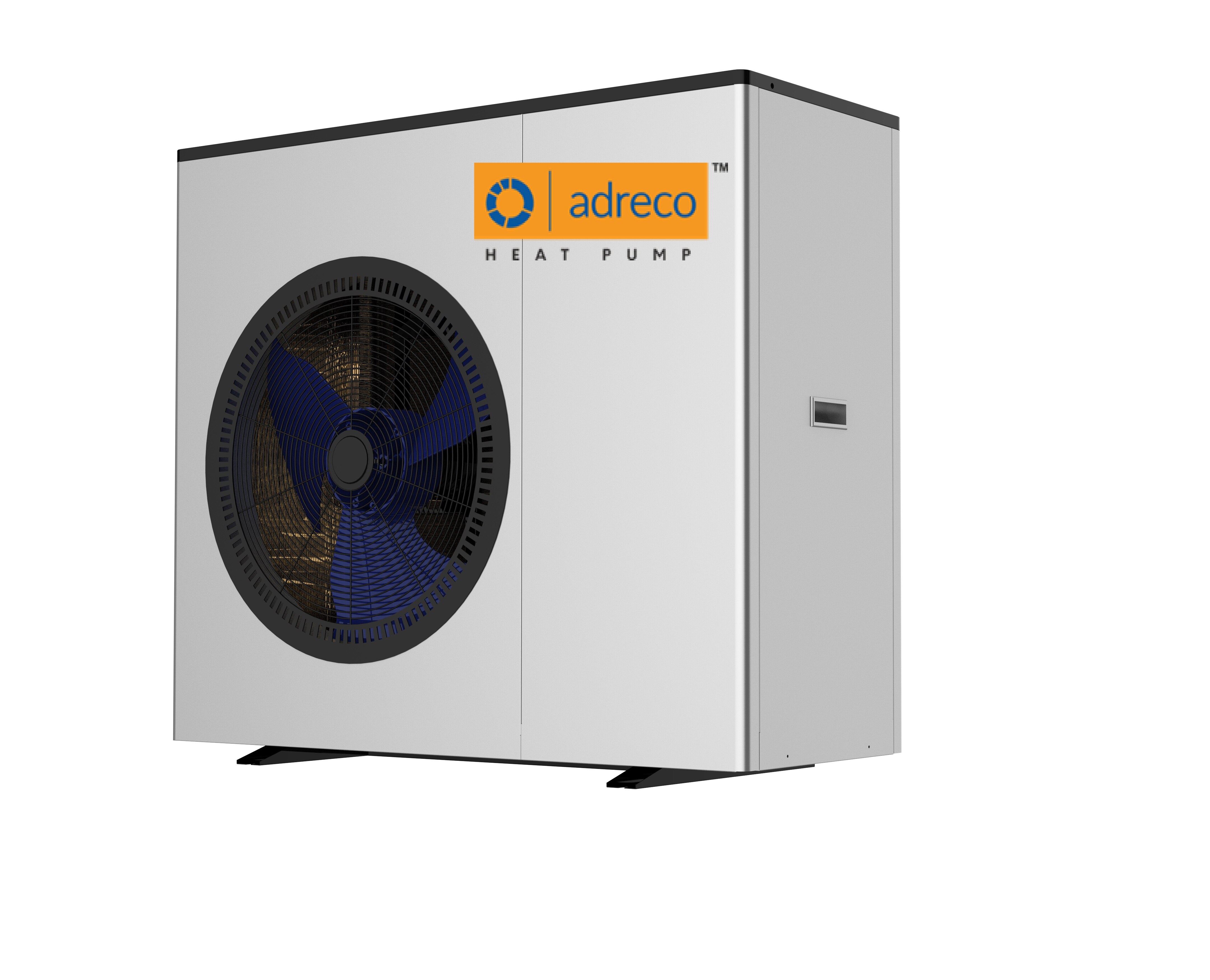 | Domestic Heat Pump ₹115000 Features: 1. Operating ambient temperature range up to -25° C to 45° C. 2. Hot water temperature upto 60° C. 3. View product → |
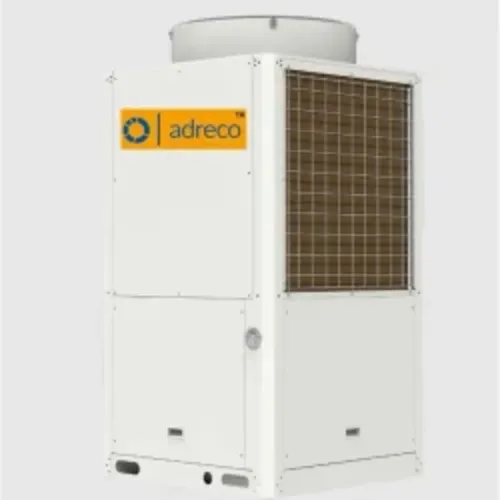
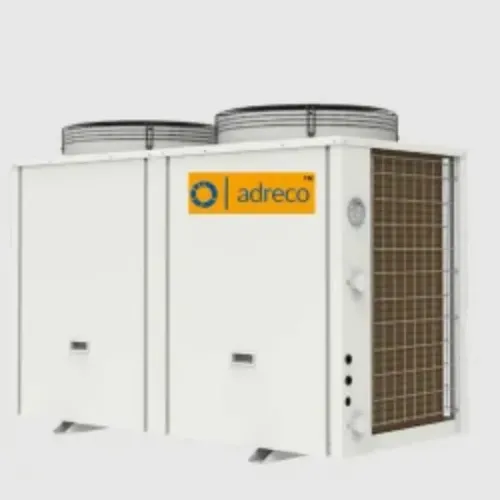
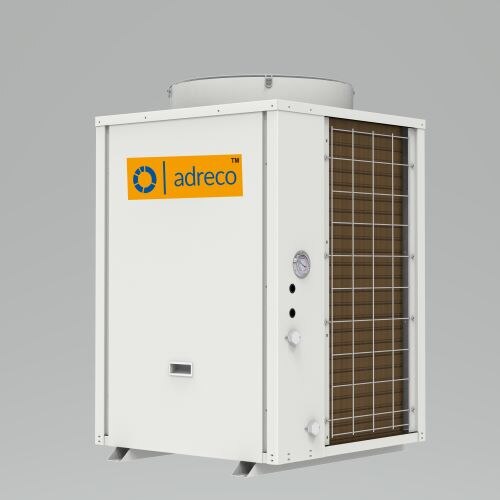 | Commercial Heat Pump ₹175000 Features: 1. Operating ambient temperature range upto -7 degree C to 43° C. 2. Hot water temperature upto 60° C. 3. View product → |
Frequently asked questions
What does “solar heat pump” mean?
It usually describes either a photovoltaic-powered air-source heat pump or a heat pump combined with solar thermal collectors.
How much energy can a solar heat pump save?
Savings depend on hot-water demand, heat-pump efficiency, solar output, electricity tariffs, backup use, and the existing water-heating system.
How do you size a solar heat-pump system?
Size the hot-water tank, heat pump, solar array or collectors, and backup together using household demand, climate, available roof area, and required recovery time.
How should you calculate operating cost and payback?
Compare annual electricity and maintenance costs with the existing system, then divide the installed-cost difference by the yearly savings.
When is a solar heat pump a practical purchase?
It is practical when you have consistent hot-water demand, suitable solar access, space for equipment, and a payback period you accept.
Related products
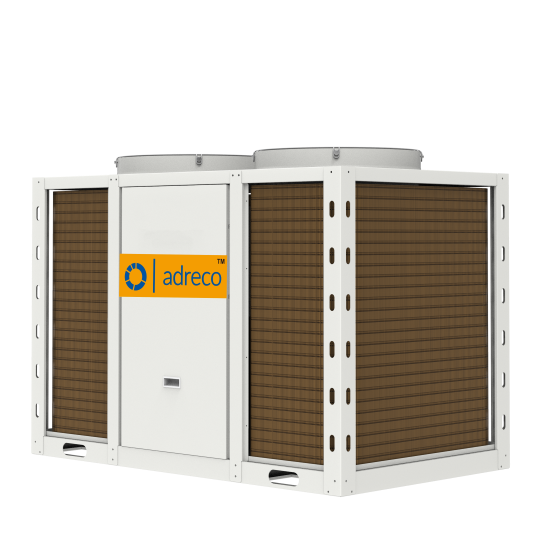 | Swimming Pool Heat Pump ₹75000 Pool Heat Pump Features: 1. Operating ambient temperature range up to -15° C to 45° C. 2. Hot water temperature upto 40° C. 3. View product → |
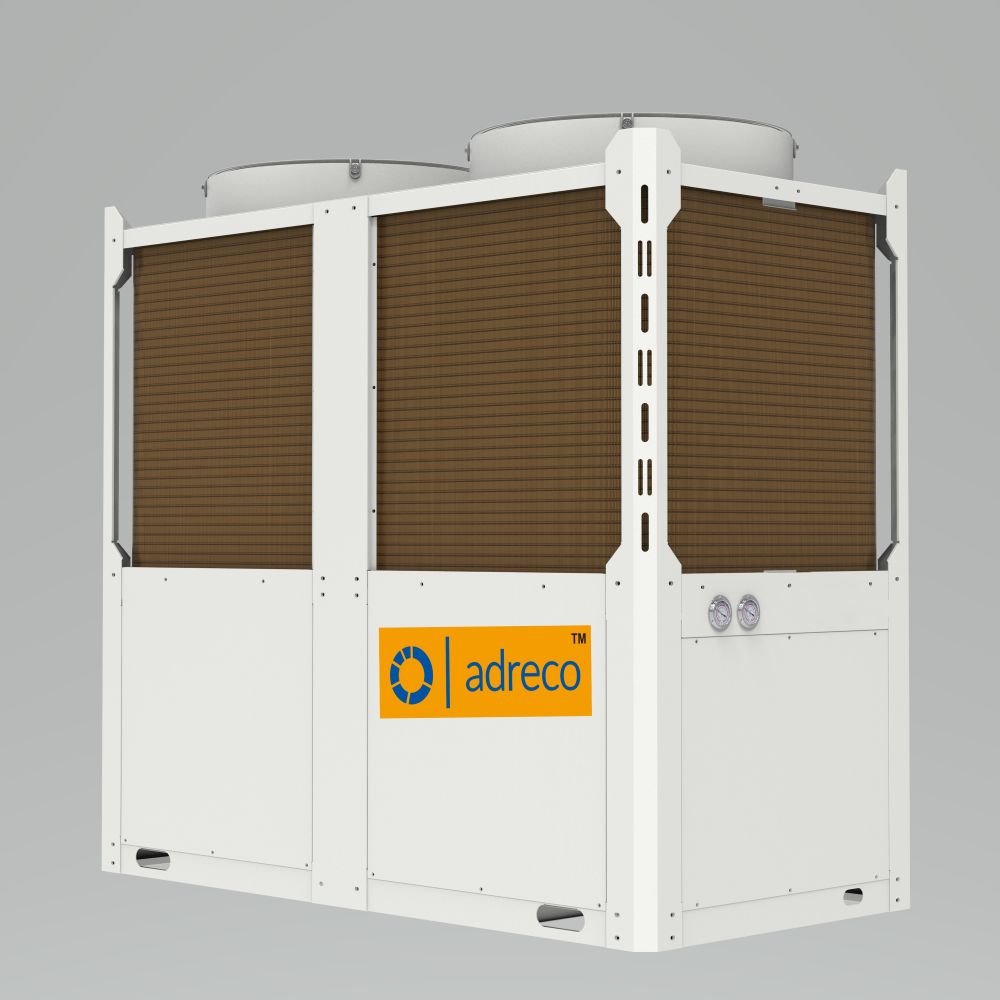 | Heat Pump Central Heating System Heat Pump Central Heating System ₹200000 Features: 1. Operating ambient temperature range up to -30° C to 43° C. 2. Hot water temperature upto 60° C. 3. View product → |
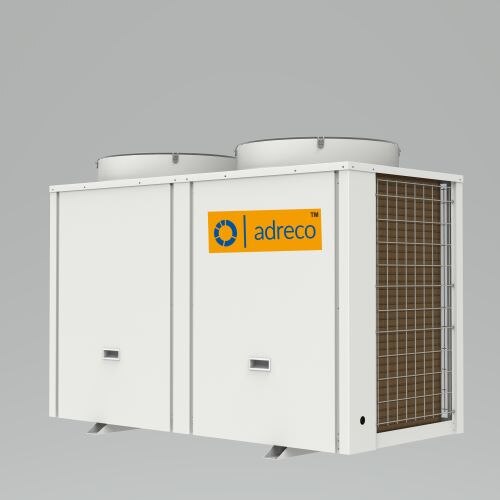 | EVI Heat Pump ₹195000 features: 1. Operating ambient temperature range up to -30° C to 43° C. 2. Hot water temperature upto 60° C. 3. View product → |