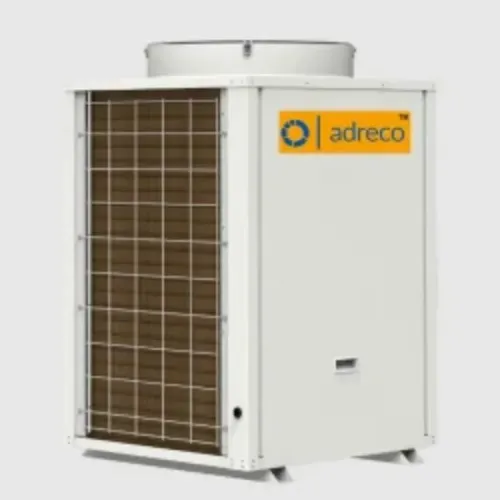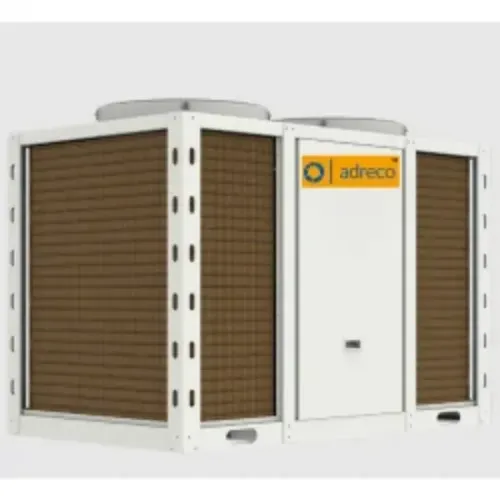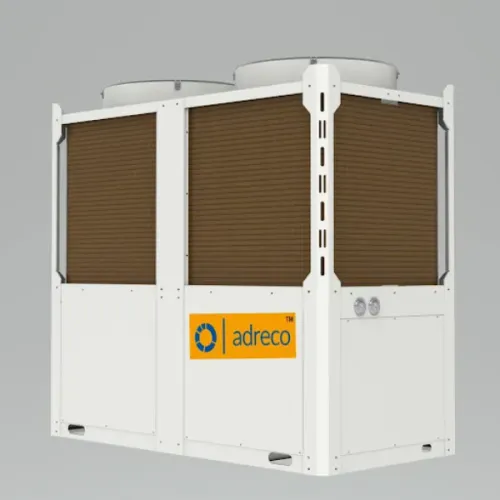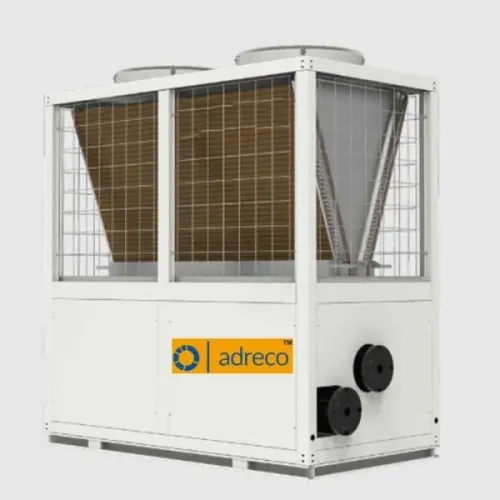
Buying pool-heating equipment based only on pool volume can lead to disappointing results. Water volume matters, but outdoor temperature, surface area, wind, humidity, desired swimming temperature, operating season, and heat loss can be equally important. A Swimming Pool Heating Heat Pump should therefore be selected using the conditions in which the pool will actually operate.
This is particularly relevant for hotels, resorts, clubs, residential communities, wellness centres, and private pools in Chandigarh where seasonal temperatures can change significantly.
Calculate More Than Pool Volume
Pool dimensions provide the starting point.
Length, width, average depth, and total water volume help establish the amount of energy needed to raise water temperature. Maintaining that temperature, however, depends mainly on ongoing heat loss.
An exposed outdoor pool can lose heat much faster than a sheltered indoor pool of similar volume.
Before requesting equipment selection, provide:
- Pool dimensions
- Water volume
- Indoor or outdoor location
- Current water temperature
- Desired temperature
- Months of intended use
- Daily operating hours
- Pool-cover information
- Wind exposure
- Filtration flow rate
These details help create a more realistic heating estimate.
Check the Lowest Expected Ambient Temperature
Heat pump specifications often show performance at selected test conditions.
If the pool will be used during Chandigarh's cooler months, examine heating capacity at lower ambient temperatures rather than relying only on ratings measured during mild weather.
This can reveal whether the equipment has sufficient capacity when the pool needs heating most.
Confirm Water Flow Compatibility
A Swimming Pool Heating Heat Pump works as part of the circulation system.
The filtration pump, piping, valves, bypass arrangement, and heat pump must work within appropriate flow conditions. Incorrect flow can affect heat transfer and equipment operation.
The hydraulic layout should therefore be reviewed during system planning rather than after equipment reaches the site.
Consider Pool Water Conditions
Swimming pool water contains treatment chemicals that require appropriate equipment materials and correct water chemistry.
The heat exchanger and other water-contact components should be suitable for the intended application. Pool operators should also maintain water chemistry within recommended limits because improper conditions can affect equipment and other pool infrastructure.
Evaluate Noise and Installation Location
Hotels and residential projects should consider where outdoor equipment will be positioned.
Adequate airflow is essential, but sound transmission toward guestrooms, balconies, neighbouring properties, and recreational spaces should also be considered. Service access and condensate drainage need sufficient space.
Ask About Controls
A useful control system should allow operators to set the required pool temperature and coordinate heating with water circulation.
For commercial properties, centralized monitoring or integration requirements can also be discussed during project planning.
Frequently Asked Questions
Can a smaller unit simply run longer?
Not always effectively. If heat loss exceeds available heating capacity under colder conditions, the pool may struggle to reach or maintain the desired temperature.
Does a pool cover reduce equipment requirements?
A cover can substantially reduce evaporation and heat loss when properly used, which should be considered during system assessment.
How quickly will the pool become warm?
Warm-up time depends on water volume, starting temperature, heating capacity, ambient conditions, and heat loss.
Adreco Engineering Pvt Ltd manufactures heat pump and HVAC equipment for applications including swimming pool heating in Chandigarh. Providing complete pool and operating information enables a more meaningful technical assessment.
The right Swimming Pool Heating Heat Pump is not simply the unit with the largest capacity figure. It is equipment selected around pool heat loss, seasonal conditions, circulation, target temperature, installation environment, and actual operating expectations.
Keywords