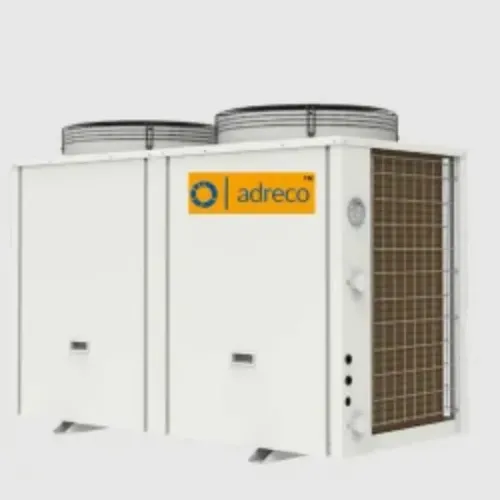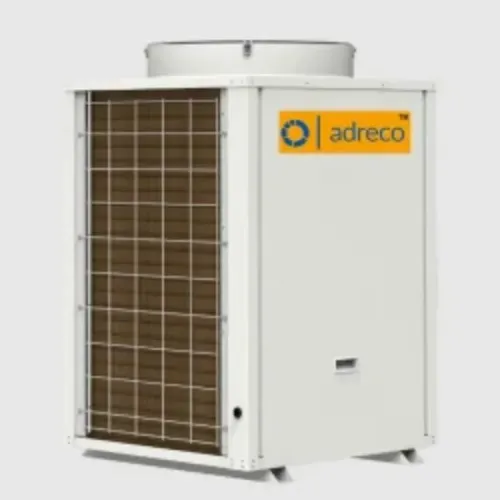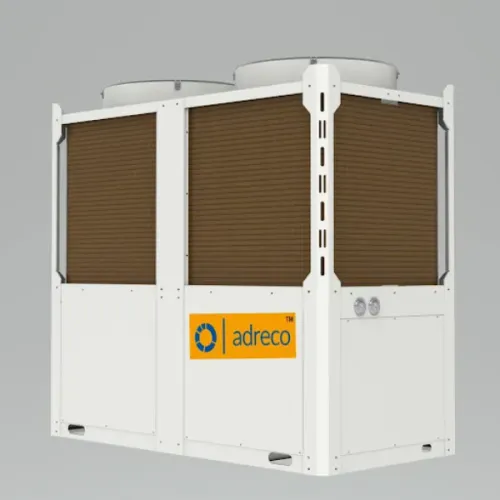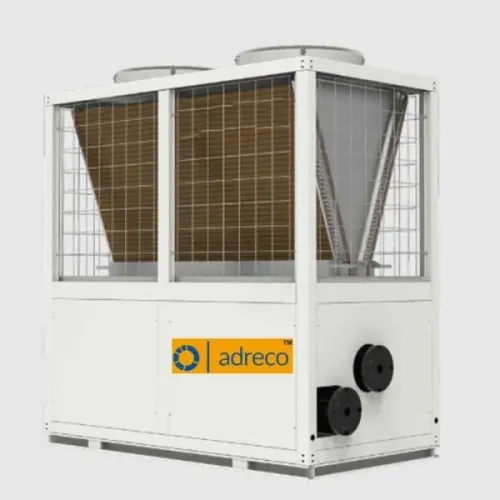
Hot-water availability directly affects hotel operations. Guest rooms, kitchens, housekeeping, spas, laundries, and other areas can create overlapping demand, often concentrated during specific periods. Choosing a Commercial Heat Pump System for a hospitality property therefore requires careful load planning.
For hotels and resorts in Chandigarh, the objective should be dependable hot-water delivery with a system designed around real occupancy and usage patterns.
Build a Realistic Hot Water Profile
A hotel should not estimate heating requirements from room count alone.
Occupancy percentage, room type, shower usage, kitchen demand, laundry operations, spa facilities, staff areas, and peak consumption periods can all influence the load.
A useful assessment separates average daily consumption from peak demand.
This distinction matters because storage can help meet short periods of heavy consumption without requiring heating equipment to be sized entirely around the highest momentary load.
Check Winter Performance
Hospitality hot-water demand continues during colder weather.
Air-source heat pump capacity can change as ambient temperature falls, so hotels should examine performance at conditions representative of Chandigarh winters.
Ask the equipment provider for heating capacity and power-input data at the expected ambient temperature and required outlet-water temperature.
Examine Redundancy
A large hotel may not want its complete hot-water requirement dependent on a single piece of equipment.
Multiple-unit configurations can provide staging and may support operational continuity during servicing, depending on system design.
Backup heating can also be considered according to the property's service requirements and risk tolerance.
Review Storage and Recirculation
Hotels often have long hot-water distribution networks.
Even when heating equipment performs efficiently, poorly insulated storage tanks and circulation pipes can lose significant heat. Continuous recirculation can add further heating demand.
The complete system should therefore consider:
- Tank insulation
- Pipe insulation
- Recirculation strategy
- Water-flow balancing
- Temperature controls
- Pump scheduling
- Peak-demand storage
Ask About Installation Practicalities
Hotels should assess equipment location, sound levels, drainage, airflow, service access, electrical requirements, structural considerations, and pipe routes.
For an operating property, installation phasing can also matter because disruption to guest services should be minimized.
Frequently Asked Questions
Can one commercial heat pump serve an entire hotel?
It depends on the load. Larger properties may benefit from multiple units, storage, and staged operation.
How should capacity be selected?
Capacity should reflect daily energy demand, peak consumption, storage, required water temperature, ambient conditions, and recovery requirements.
Can an existing boiler remain as backup?
A hybrid arrangement may be technically appropriate in some retrofit projects.
Adreco Engineering Pvt Ltd works with commercial heat pump applications for projects in Chandigarh. Hotels approaching the company with occupancy data, existing-system details, required temperatures, and daily consumption information can support a more project-specific equipment discussion.
Selecting a Commercial Heat Pump System for hospitality is ultimately about matching heating capacity, storage, redundancy, and controls with the way the property actually operates.
Keywords