


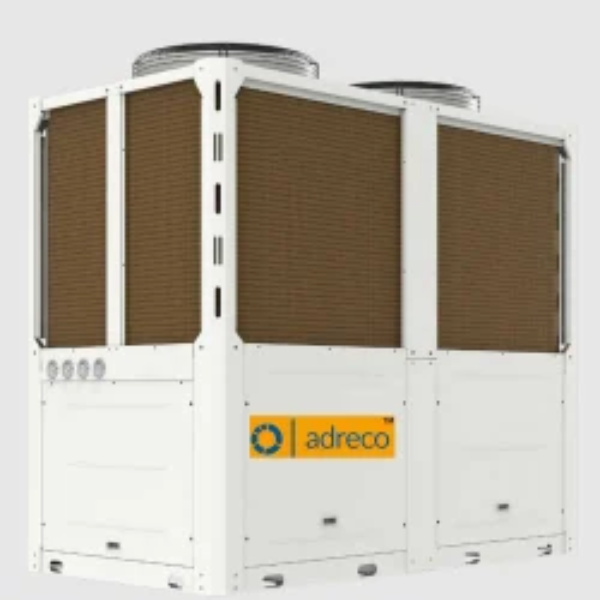
Heat pumps are designed to transfer thermal energy rather than generate all required heat directly from electricity. Their performance, however, can vary as outdoor temperatures change. An EVI Heat Pump is designed for applications where dependable heating is required under more demanding ambient conditions.
EVI refers to Enhanced Vapour Injection. The technology modifies the refrigeration cycle to help the compressor operate effectively across a broader range of conditions.
What Makes an EVI Heat Pump Different
A conventional air-source heat pump absorbs thermal energy from outside air and transfers it to a heating circuit. As outdoor temperatures fall, extracting usable heat becomes more challenging.
EVI technology introduces additional refrigerant vapour into an intermediate stage of the compression process. Depending on the system design, this can support heating capacity and compressor operation under lower ambient temperatures.
The technology is therefore relevant where winter heating requirements are substantial.
Where EVI Technology Can Be Useful
An EVI Heat Pump can be considered for applications such as:
- Hotels requiring dependable hot water
- Hospitals with substantial heating demand
- Commercial buildings
- Resorts
- Residential developments
- Industrial facilities
- Central hot-water systems
- Space-heating installations
The actual suitability depends on required water temperature, outdoor conditions, system configuration, load profile, and equipment specifications.
Outdoor Temperature Is Only One Factor
A common mistake is choosing a heat pump solely because the technology is described as suitable for cold weather.
The complete heating requirement should still be calculated.
For example, a hotel requiring large quantities of domestic hot water has a different demand profile from a commercial building requiring space heating. Similarly, an industrial process needing elevated water temperatures requires different technical consideration from residential heating.
The desired leaving-water temperature can significantly influence heat pump efficiency and available capacity.
Why System Design Remains Important
Advanced compressor technology cannot compensate for poor overall system design.
Pipe dimensions, circulation flow, heat exchangers, storage tanks, insulation, controls, backup arrangements, and terminal units can all influence actual performance.
A building with significant heat loss may also require more energy regardless of the heating technology selected.
For this reason, improving insulation and reducing avoidable thermal losses can be an important part of an energy-efficient heating strategy.
Chandigarh Winter Requirements
Properties in Chandigarh experience distinctly cooler winter conditions compared with the warmer months. Hotels, healthcare facilities, homes, offices, and other buildings may therefore have simultaneous requirements for hot water and indoor heating.
Equipment selection should consider expected winter operating temperatures rather than relying only on rated performance under favourable test conditions.
When reviewing a heat pump, users should ask how heating capacity and efficiency change at the ambient temperature and water temperature relevant to their project.
Understanding Performance Data
Technical specifications commonly include heating capacity, electrical input, coefficient of performance, operating range, water temperatures, compressor information, refrigerant details, and airflow requirements.
These figures need to be considered together.
A high efficiency figure measured under one test condition should not automatically be assumed to represent year-round performance. Seasonal operation involves changing ambient temperatures and varying heating loads.
Matching Technology to the Application
Adreco Engineering Pvt Ltd works within the HVAC and energy-efficient heating sector, where equipment selection needs to reflect real project conditions. For EVI-based systems, useful initial information includes required heating capacity, desired water temperature, lowest expected ambient temperature, operating hours, and application type.
An EVI Heat Pump can offer important advantages in demanding heating environments, but technology alone does not determine results. Proper sizing, system integration, insulation, controls, and operating conditions collectively influence how efficiently the complete installation performs.


