


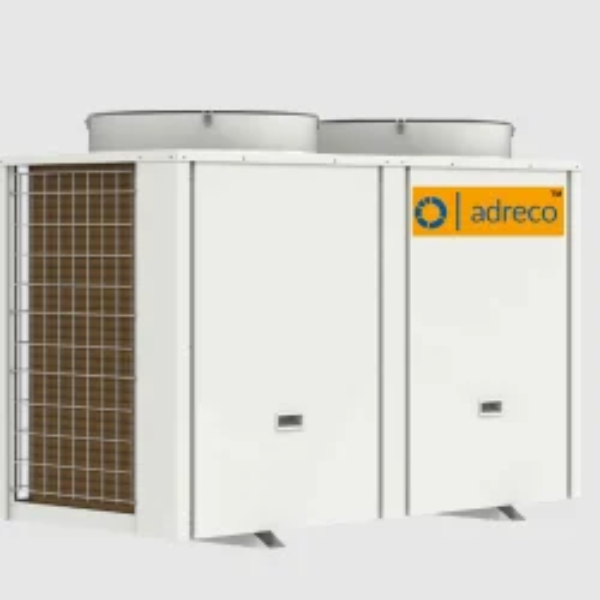
Businesses that require hot water at elevated temperatures often face a difficult balance between capacity, energy use, operating conditions, and reliability. A High Temperature Heat Pump can be considered for applications where standard low-temperature heating equipment may not satisfy the required water-temperature range.
Selecting one, however, requires more than checking its maximum temperature specification.
Start With the Required Outlet Temperature
The first question should be how hot the water genuinely needs to be.
Increasing the required delivery temperature generally makes the heat pump work harder, particularly when ambient temperatures are low. Therefore, specifying a substantially higher temperature than the process actually requires can affect efficiency.
The design should distinguish between normal operating temperature and occasional peak-temperature requirements.
Examine the Temperature Lift
Temperature lift is the difference between the heat source temperature and the required output temperature.
A heat pump extracting energy from relatively cool outdoor air while producing high-temperature water faces a more demanding operating condition than a system working with warmer source air and lower output temperatures.
This is why a High Temperature Heat Pump should be evaluated at the actual project conditions rather than only at favourable rating points.
Check Capacity at Relevant Conditions
A unit advertised with a particular heating capacity may not deliver exactly the same output across every ambient and water-temperature combination.
Buyers should therefore examine:
- Heating capacity
- Electrical input
- Water inlet temperature
- Water outlet temperature
- Ambient operating range
- Flow requirements
- Compressor configuration
- Control capabilities
Performance information corresponding to realistic winter conditions is particularly relevant for Chandigarh projects.
Consider the Application Load Profile
Hospitals, hotels, industrial facilities, commercial kitchens, institutions, and manufacturing units can have very different hot-water patterns.
A hotel may experience concentrated demand around particular periods. A process facility may require relatively continuous heating. A hospital can have substantial hot-water requirements throughout the day.
The equipment and storage strategy should reflect these differences.
Storage Can Reduce Peak Pressure
It is not always necessary for a heat pump to produce the entire peak demand instantaneously.
An appropriately designed insulated storage system can accumulate thermal energy during periods of lower demand and supply hot water during peaks. This can influence heat pump sizing and operating schedules.
Storage capacity should be calculated from the actual demand profile rather than selected arbitrarily.
Investigate Existing System Integration
Many facilities already have boilers, electric heaters, solar systems, storage tanks, or other heating equipment.
A new heat pump may need to operate as the primary heat source, a preheating system, part of a hybrid arrangement, or a replacement for existing equipment.
Understanding existing infrastructure can prevent unnecessary modifications and help identify a technically sensible configuration.
Calculate More Than Purchase Cost
Equipment price is important, but commercial heating decisions should also consider expected operating hours, electricity consumption, maintenance, installation modifications, expected equipment life, and the value of reduced conventional energy consumption.
Adreco Engineering Pvt Ltd works with heat pump manufacturing and energy-efficient heating applications. A technical assessment should ideally use project-specific load data before equipment selection.
Match Specifications to Actual Demand
A High Temperature Heat Pump is most useful when high-temperature output is genuinely required and the equipment has been selected for the relevant operating environment.
Facilities in Chandigarh should compare capacity at realistic ambient conditions, required water temperatures, peak demand, storage options, controls, and existing infrastructure.
Careful evaluation prevents the common mistake of buying equipment based on maximum temperature alone and helps create a heating system that is better aligned with day-to-day operational requirements.


