


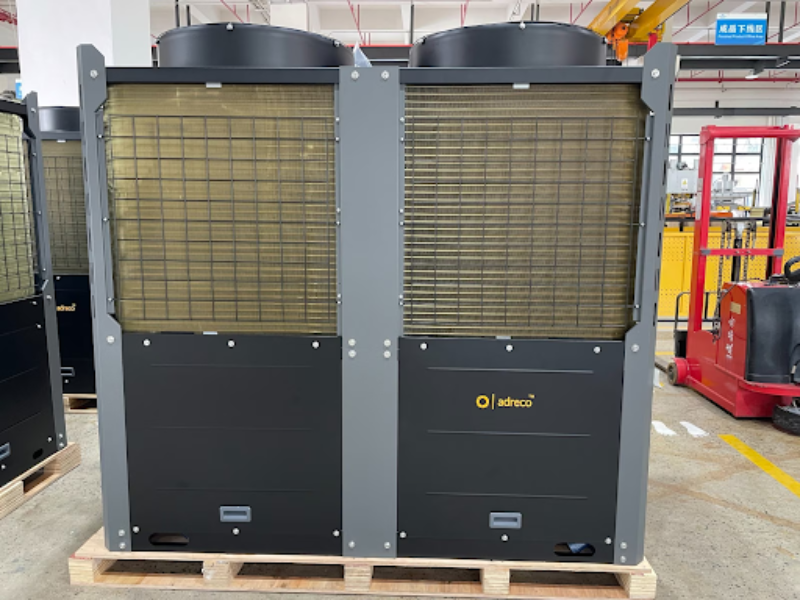
Industrial and commercial buildings often continue using existing heating equipment until rising energy costs, inconsistent temperatures or maintenance problems make replacement unavoidable. Recognising these warning signs earlier can provide more time to evaluate an efficient Space Heating System based on technologies such as heat pumps.
For factories, warehouses and commercial premises, heating should be assessed as an operational system rather than simply an appliance.
Uneven Temperatures Across the Building
Persistent hot and cold zones can indicate problems with heat distribution.
The cause may involve equipment capacity, poor airflow, hydraulic balancing, building insulation or control strategy.
Replacing the heating source without investigating distribution problems may therefore fail to resolve the underlying issue.
Energy Consumption Keeps Increasing
Higher heating energy consumption can result from equipment deterioration, inefficient controls or changing building usage.
Facilities should compare energy consumption against operating hours and weather conditions rather than looking only at monthly bills.
A sustained increase can justify a detailed heating-system assessment.
Existing Equipment Requires Frequent Repairs
Repeated breakdowns increase both direct maintenance costs and operational disruption.
Older heating equipment may also have declining efficiency or limited availability of replacement components.
When repair frequency rises, lifecycle cost becomes more relevant than the cost of the next individual repair.
Your Facility Has Changed
Factories and commercial buildings evolve.
New production lines, extensions, occupancy changes and revised working hours can alter heating requirements considerably.
Equipment sized for the original facility may no longer match current demand.
Heating Controls Are Limited
Older systems may offer little ability to match output with changing loads.
Modern heat pump-based systems can incorporate temperature sensors, zoning and variable-capacity operation.
For facilities with changing occupancy or production schedules, improved control can help prevent unnecessary heating.
Deciding Whether a Heat Pump Is Suitable
Before changing technologies, establish:
- Peak heating demand
- Required indoor temperatures
- Existing distribution system
- Required water temperatures
- Operating hours
- Available electrical capacity
- Building heat losses
- Potential future expansion
These details determine whether an air-source, inverter, EVI or another heat pump configuration is appropriate.
Provider Readiness Matters
A heating-system supplier should be able to discuss the complete application rather than recommend capacity solely from floor area.
For industrial users in Chandigarh, Adreco Engineering Pvt Ltd can evaluate heating requirements in relation to facility conditions and intended operating patterns.
An efficient Space Heating System begins with identifying why the existing arrangement is underperforming. Once heat demand, distribution and operating conditions are understood, businesses can make a more informed decision about whether heat pump technology should form part of the upgrade.


