


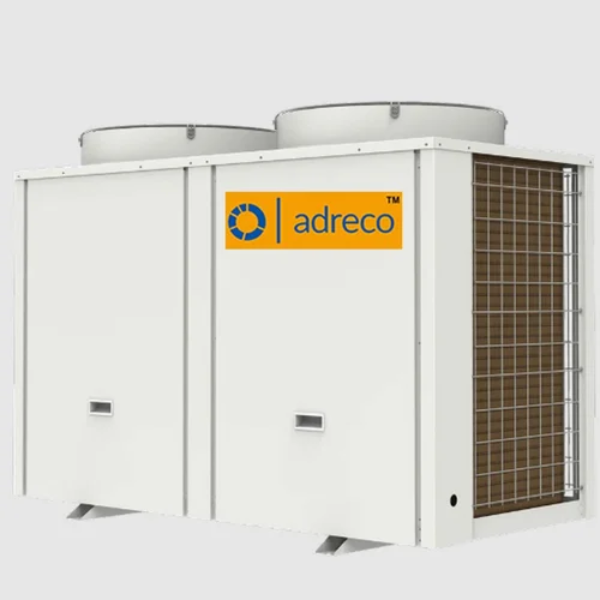
Drying is an energy-intensive operation in many industries. Conventional systems often heat air and discharge a significant portion of that thermal energy after a single pass. A Heat Pump Dryer can take a different approach by recovering and reusing heat within a controlled drying cycle.
This makes heat pump drying relevant for businesses examining energy consumption, product quality and process control.
Heat Recovery Is the Main Advantage
In a heat pump drying system, moist air from the drying chamber passes through an evaporator.
Moisture condenses as the air is cooled. The recovered thermal energy is then upgraded through the refrigeration cycle and transferred back to the drying air at the condenser.
This creates a more controlled loop compared with continuously heating fresh air and exhausting hot, humid air.
Lower Drying Temperatures Can Protect Products
Some materials are sensitive to excessive temperature.
Depending on the product and process, lower-temperature drying may help preserve characteristics such as appearance, texture or material properties.
Potential applications include selected:
- Food products
- Agricultural materials
- Herbs
- Pharmaceutical materials
- Wood products
- Textiles
- Industrial components
The required temperature and humidity profile varies considerably between applications.
Better Control Over Drying Conditions
Product quality can depend on much more than simply reaching a target temperature.
Humidity, airflow, drying duration and moisture removal rate all influence the process.
A properly configured Heat Pump Dryer can provide controlled temperature and humidity conditions, which may improve process consistency where stable drying parameters are important.
Reduced Dependence on Outdoor Conditions
Open-air and some ventilation-based drying processes are strongly influenced by ambient humidity and weather.
A closed or controlled heat pump drying environment can reduce this dependence.
For manufacturing operations around Chandigarh and the wider northern industrial region, this can be useful where production schedules require drying throughout changing seasonal conditions.
What Should Be Evaluated Before Installation
Not every drying requirement is suitable for the same equipment.
The engineering assessment should establish:
- Material being dried
- Initial moisture content
- Required final moisture level
- Batch quantity
- Maximum acceptable temperature
- Required drying duration
- Airflow requirements
- Existing energy source
These parameters determine both heating capacity and moisture-removal requirements.
Energy Savings Need Application-Level Assessment
Heat pump dryers are frequently associated with energy efficiency, but actual savings depend on the existing process and operating conditions.
Comparing only heater capacity can be misleading. Evaluation should consider total energy consumed per batch or per unit of moisture removed.
Adreco Engineering Pvt Ltd can assess industrial heating and drying requirements based on process conditions rather than relying solely on standard equipment ratings.
For manufacturers exploring a Heat Pump Dryer, the strongest business case usually exists where drying is frequent, energy consumption is substantial and controlled temperature or humidity offers process advantages. Detailed load assessment provides the foundation for determining whether heat recovery can meaningfully improve the drying operation.


