


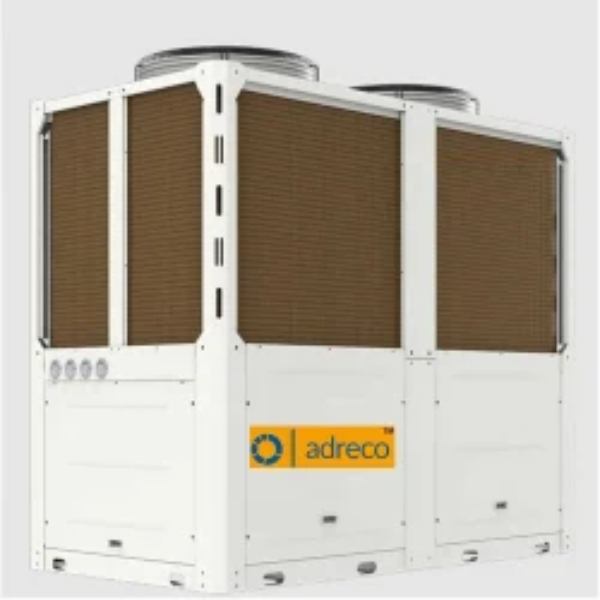
Large properties can consume substantial energy for hot water and heating. Hotels need water for guest rooms, kitchens, housekeeping, and other facilities. Hospitals may have continuous hot-water requirements, while commercial properties can need heating according to occupancy and operating schedules. A Commercial Heat Pump can address these loads when the system is planned around real demand.
The most important step is understanding that commercial heating cannot be sized like a larger version of a domestic installation.
Establish Daily Consumption
Start by determining how much hot water or thermal energy the property uses during a typical day.
Historical utility records can be useful, but peak demand is equally important. Two hotels with the same number of rooms may have very different heating profiles because of occupancy, restaurants, laundry operations, spa facilities, or swimming pools.
Hospitals and industrial buildings have their own distinctive demand patterns.
Identify Peak Periods
Average daily consumption does not reveal how quickly energy must be delivered.
A Commercial Heat Pump installation should account for periods when demand rises sharply. Storage can often help handle these peaks without requiring the heat pump itself to provide the entire short-duration load instantaneously.
Engineers may therefore assess:
- Hourly hot-water demand
- Peak simultaneous usage
- Required delivery temperature
- Recovery period
- Storage capacity
- Available plant-room space
- Existing heating equipment
These details influence the final configuration.
Review Existing Infrastructure
Retrofitting a commercial building requires a careful survey of existing systems.
Storage tanks, boilers, electrical panels, circulation pumps, piping, heat exchangers, and control systems may be reusable, may require modification, or may be unsuitable for the proposed design.
Checking these elements early can produce a more realistic project scope.
Electrical Capacity Should Be Verified
Although heat pumps can reduce dependence on conventional thermal energy sources, they still require electricity.
Commercial facilities should verify available electrical capacity and understand the input requirements of the proposed equipment. Larger projects may also require staged operation or multiple units.
Electrical assessment should therefore form part of the initial feasibility study rather than becoming a late installation issue.
Redundancy Can Be Important
A small residential property may tolerate limited hot-water disruption more easily than a hotel or healthcare facility.
Critical commercial applications should consider what happens if one heating unit is unavailable for maintenance.
Multiple-unit configurations, existing backup systems, or other redundancy strategies can help maintain essential heating availability depending on project requirements.
Account for Local Operating Conditions
Hotels, hospitals, offices, institutions, and industrial facilities in Chandigarh experience seasonal temperature changes that affect heating demand and air-source equipment performance.
Capacity should therefore be checked at the relevant winter ambient conditions and required output temperatures.
A unit's nominal capacity under standard conditions should not be treated as guaranteed output under every operating scenario.
Build the Business Case Carefully
Adreco Engineering Pvt Ltd manufactures heat pump and HVAC solutions for different heating applications. Commercial property owners evaluating a project should consider installation cost alongside expected electricity consumption, current heating expenditure, operating hours, maintenance, equipment life, and potential energy savings.
A well-planned Commercial Heat Pump system starts with measured demand, not assumptions. By assessing load profiles, peak requirements, storage, electrical infrastructure, backup arrangements, seasonal conditions, and existing equipment, commercial users can make a better-informed investment decision and create a heating system suited to actual building operations.


