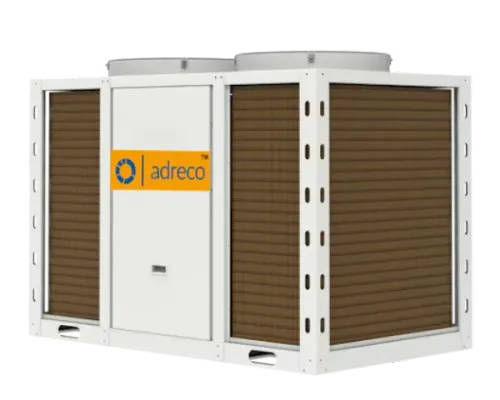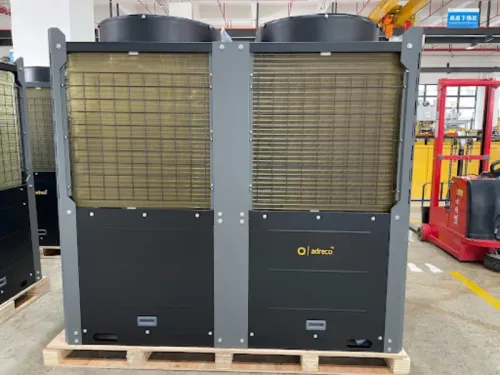


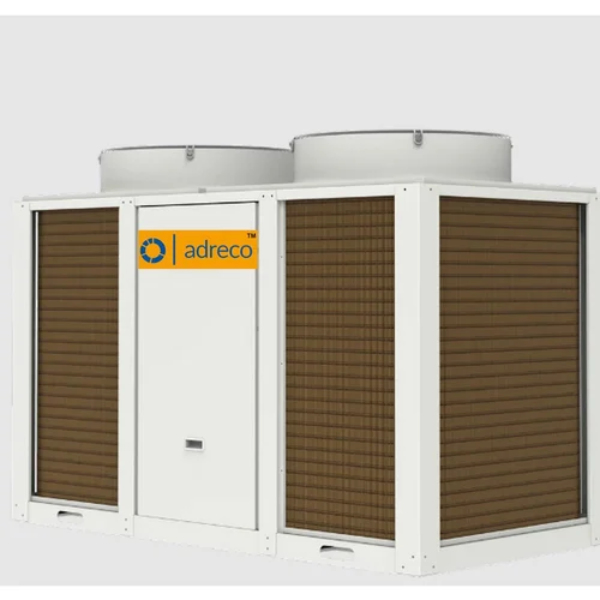
Maintaining swimming pool temperature can require considerable energy, particularly when pools are used for extended seasons or operated commercially. A Swimming Pool Heat Pump provides a practical method of heating pool water by capturing thermal energy from ambient air and transferring it into the circulating water.
The technology is commonly considered for hotels, resorts, clubs, institutions, wellness facilities and private developments.
The Heating Process Explained
Pool water passes through a heat exchanger while the heat pump extracts thermal energy from outdoor air.
A refrigeration cycle increases the temperature of that captured energy before transferring it to the water. The heated water then returns to the pool.
Because the system transfers heat rather than generating all heating directly, it can provide efficient operation under suitable conditions.
Pool Size Is Only One Selection Factor
A common mistake is choosing equipment solely according to pool volume.
Several other variables influence the actual heating requirement:
- Pool surface area
- Desired water temperature
- Ambient air temperature
- Indoor or outdoor installation
- Wind exposure
- Daily operating period
- Pool cover usage
- Initial heating time
- Heat loss through evaporation
Evaporation can account for substantial heat loss, particularly in uncovered outdoor pools. Using a suitable pool cover when the facility is not operating can therefore reduce heating demand.
Why Climate Conditions Matter
Ambient temperature directly affects air-source heat pump performance.
In Chandigarh, pool heating requirements can change considerably between seasons. A unit that performs comfortably during mild weather may face a higher load during colder periods.
Equipment should consequently be assessed at realistic ambient conditions and desired pool temperatures.
Applications in Commercial Properties
Hotels and clubs often require predictable pool temperatures because guest expectations are different from occasional residential use.
Commercial applications may therefore benefit from:
- Automated temperature control
- Properly sized circulation equipment
- Appropriate heat exchangers
- Weather-resistant installation
- Suitable water flow management
- Pool covers for heat retention
Where pools are used frequently, system reliability and service accessibility become important considerations alongside efficiency.
Installation Has a Direct Impact on Performance
A heat pump needs adequate airflow around the evaporator. Installing equipment in a poorly ventilated enclosure can restrict heat exchange and reduce performance.
Pipe sizing and circulation rates also matter.
Water moving too slowly or too quickly through the system may prevent the heat exchanger from operating under intended conditions. Installation should therefore follow the hydraulic and airflow requirements of the selected equipment.
Looking Beyond Equipment Capacity
The appropriate Swimming Pool Heat Pump is not necessarily the unit with the largest advertised output.
Selection should consider how much heat the pool actually loses and how quickly that heat needs to be replaced.
Adreco Engineering Pvt Ltd provides engineered solutions for commercial and industrial requirements, where operating conditions are evaluated before equipment configuration.
For properties in Chandigarh considering pool heating, accurate assessment of pool dimensions, usage, desired temperature and seasonal conditions can help establish the required heating capacity. Correct sizing combined with heat-loss management can provide more stable temperatures while avoiding unnecessary energy consumption.