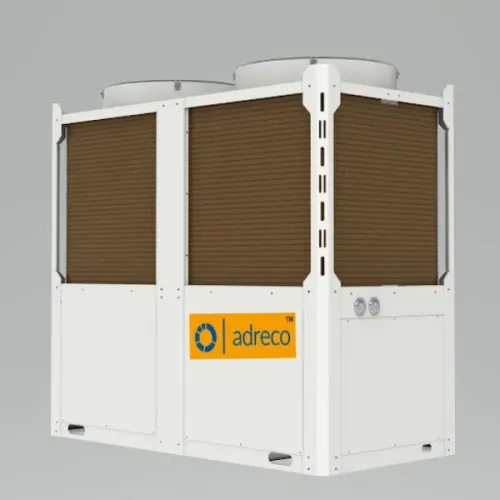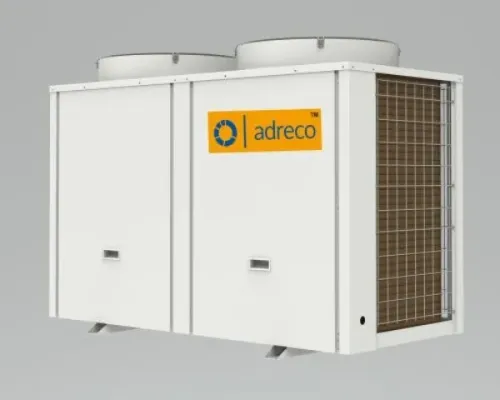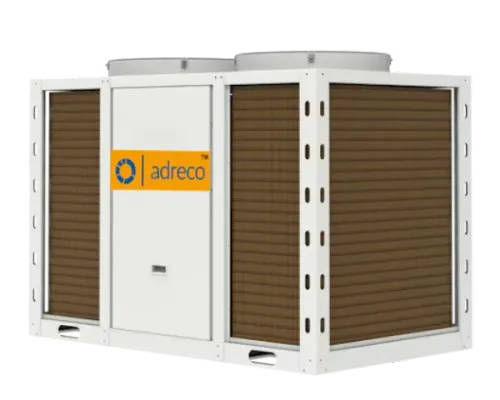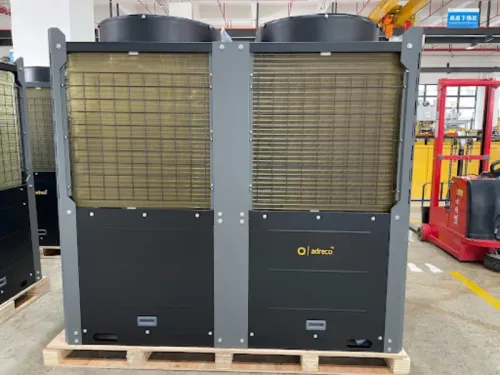


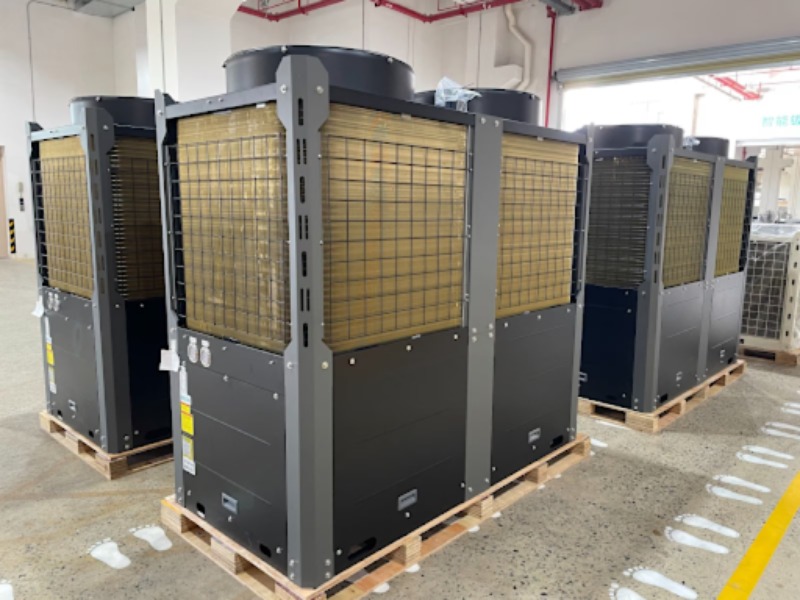
Creating a comfortable indoor environment is essential for many types of buildings, especially during colder months. Whether it is a hotel welcoming guests, a hospital maintaining patient comfort, a manufacturing facility supporting operations, or an educational institution providing a productive learning environment, an efficient Space Heating System plays an important role in day-to-day operations.
As energy efficiency becomes a priority for businesses and developers, modern space heating solutions are replacing traditional heating methods that often consume more energy and require higher maintenance. Understanding where these systems deliver the greatest value can help project owners choose a solution that supports both comfort and long-term operational efficiency.
What Is a Space Heating System?
A Space Heating System is designed to maintain comfortable indoor temperatures by distributing heat evenly throughout a building. Depending on the project, the system may use hot water, warm air, or radiant heating to achieve consistent thermal comfort.
Unlike portable heaters or individual room-based solutions, central space heating systems are engineered to provide uniform heating across multiple rooms or large buildings. They are commonly integrated with advanced technologies such as heat pumps to improve efficiency and reduce energy consumption.
For commercial and institutional projects, this approach offers better temperature control while helping lower operating costs.
Which Buildings Benefit the Most?
Although almost every building requires heating at some point, certain sectors benefit significantly from professionally designed space heating systems.
Hotels and Resorts
Guest comfort directly influences the hospitality experience. A reliable heating system helps maintain comfortable room temperatures, lobby areas, restaurants, and recreational spaces without large fluctuations throughout the day.
Hospitals and Healthcare Facilities
Healthcare environments require stable indoor temperatures for patient recovery, staff comfort, and the proper functioning of medical spaces. Efficient heating systems also support hygiene and indoor air quality requirements.
Educational Institutions
Schools, colleges, and universities need comfortable classrooms, libraries, laboratories, and administrative offices to create a productive learning environment during winter.
Commercial Office Buildings
Employee productivity can be affected by indoor comfort. A central space heating system helps maintain consistent temperatures across office floors, meeting rooms, and shared spaces.
Residential Developments
Luxury villas, apartments, and gated communities increasingly include energy-efficient heating systems as part of modern building design, improving comfort for residents while reducing long-term energy costs.
Industrial Facilities
Manufacturing plants, warehouses, and production units often require controlled indoor temperatures to support employees, equipment, or specialised processes.
Advantages of a Modern Space Heating System
Modern heating systems are designed with efficiency, reliability, and sustainability in mind.
Some of the major benefits include:
- Uniform heating throughout the building
- Improved indoor comfort
- Better energy efficiency
- Lower operating expenses
- Reduced dependence on fossil fuels
- Quiet operation
- Easy integration with heat pump technology
- Long-term performance with regular maintenance
These advantages make space heating systems suitable for projects where comfort and operational efficiency are equally important.
Why Energy Efficiency Matters
Heating can represent a significant portion of a building's energy consumption, particularly in facilities that operate throughout the day. Choosing an energy-efficient heating system can help reduce electricity or fuel usage while supporting sustainability goals.
For builders and facility managers, this means lower operating expenses over the life of the building rather than focusing only on the initial installation cost.
Many organisations today also consider energy-efficient infrastructure an important part of their environmental commitments.
Choosing the Right System
Every building has unique heating requirements, so selecting a suitable system involves more than choosing equipment capacity.
Some key considerations include:
- Total building area
- Occupancy levels
- Type of construction
- Insulation quality
- Heating load calculations
- Climate conditions
- Future expansion requirements
- Desired indoor comfort levels
Working with experienced HVAC professionals helps ensure that the system is properly designed to meet current and future needs.
The Importance of Professional Design
Even high-quality equipment may not perform efficiently without proper engineering. Factors such as pipe sizing, water flow, control systems, zoning, and equipment selection all influence the overall effectiveness of a space heating system.
For commercial, hospitality, institutional, and industrial projects in Chandigarh and nearby regions, many architects and project consultants collaborate with experienced engineering companies during the planning stage. Adreco Engineering Pvt Ltd develops energy-efficient heating solutions that are designed around the specific requirements of different industries. Its technical expertise helps project teams integrate modern heating technologies into both new developments and building upgrades.
An efficient Space Heating System is more than just a way to stay warm. It contributes to occupant comfort, operational efficiency, energy savings, and long-term building performance. By evaluating the needs of the property and selecting the right heating technology early in the project, building owners can create spaces that remain comfortable, efficient, and prepared for future energy challenges.