

Drying is an energy-intensive stage in many commercial and industrial processes. Conventional drying systems may release substantial quantities of heated air, while inconsistent temperature control can affect drying time and product quality.
A Heat Pump Dryer recovers and transfers heat within a controlled drying process, making it worth evaluating for applications where temperature management, energy consumption, and repeatable drying conditions matter.
However, the suitability of a heat pump-based dryer depends heavily on what is being dried.
Start With the Material
Drying requirements differ significantly between materials.
Food products, agricultural produce, timber, textiles, herbs, and industrial materials can have different moisture content, temperature sensitivity, airflow requirements, and acceptable drying times.
Before selecting equipment, define:
- Initial moisture content
- Desired final moisture content
- Batch quantity
- Product dimensions
- Maximum acceptable temperature
- Required drying duration
- Daily production volume
These factors form the basis of system sizing.
Why Temperature Control Matters
Applying more heat does not always produce better drying.
Temperature-sensitive products can deteriorate when exposed to excessive heat. In food and agricultural applications, inappropriate temperatures may affect appearance, texture, aroma, or other product characteristics.
A heat pump drying system can be designed to operate with controlled air temperature and humidity conditions.
The objective is not simply to make the chamber hotter. It is to create conditions that encourage moisture to leave the product efficiently and consistently.
Look Beyond Heater Capacity
Buyers sometimes compare dryers primarily by rated heating power.
A better evaluation considers the complete moisture-removal process.
Air circulation, chamber design, dehumidification capability, heat recovery, control accuracy, loading pattern, and product arrangement all influence drying.
Poor airflow can create uneven results even when sufficient heat is available.
Calculate Operating Economics
Businesses in Chandigarh and nearby industrial regions should evaluate expected energy use per batch or per unit of moisture removed rather than focusing only on equipment price.
A useful comparison includes:
- Current drying energy consumption
- Production volume
- Existing drying time
- Labour requirements
- Product rejection or inconsistency
- Proposed system energy consumption
- Maintenance cost
- Expected annual operating hours
The resulting calculation provides a better indication of potential payback.
Controls and Data Can Improve Repeatability
Programmable controls can be useful where different products require different drying profiles.
Operators may need to set temperature, humidity targets, cycle duration, or stages within a drying process.
Repeatable settings can reduce dependence on manual judgment and help businesses standardize production.
Ask for Application Experience
Drying equipment should not be selected as though every material behaves in the same way.
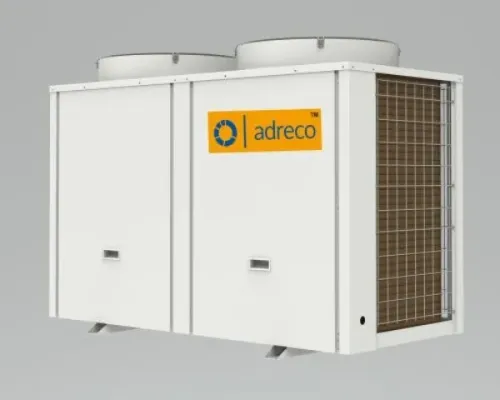
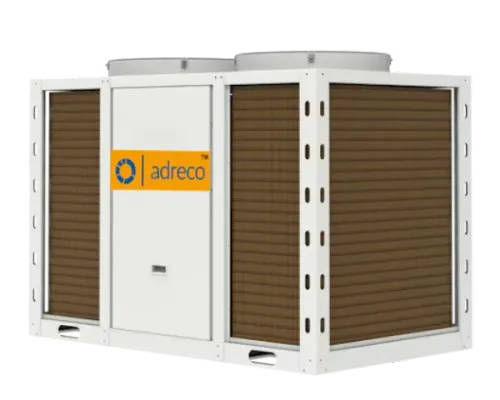
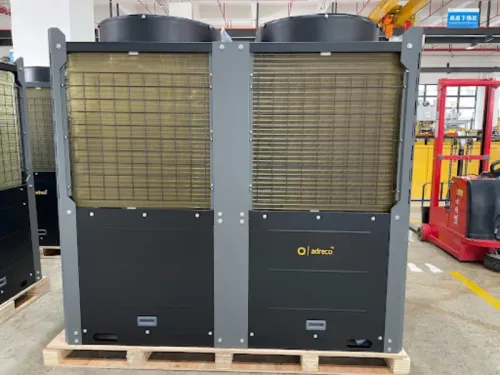
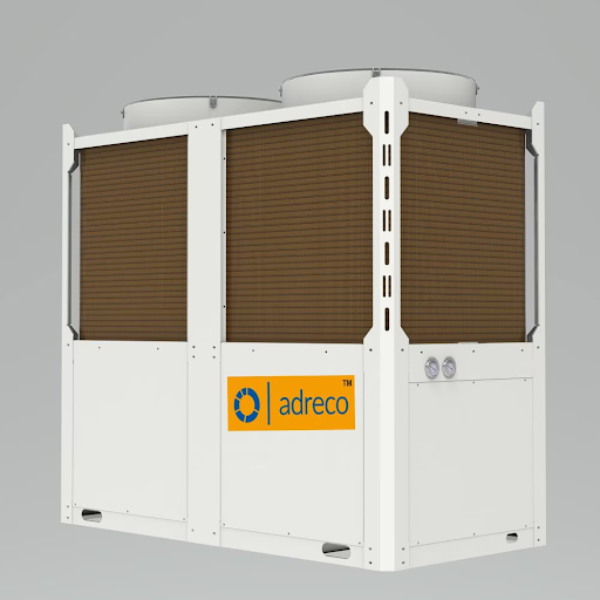
Adreco Engineering Pvt Ltd provides heat pump-based solutions for heating applications, including drying requirements. Businesses considering such equipment should discuss material characteristics and production conditions in detail before finalizing capacity.
Where possible, product trials or clearly defined performance expectations can strengthen the evaluation.
Check Installation Requirements
Dryers also require adequate electrical supply, loading access, ventilation or process-air arrangements, drainage where applicable, and maintenance space.
For production facilities, equipment layout should support the existing workflow rather than creating unnecessary handling.
A Heat Pump Dryer can offer meaningful advantages when controlled drying and energy management are priorities. The strongest investment case comes from matching the dryer to the actual material, moisture-removal requirement, production schedule, and quality objectives instead of treating drying as a simple heating process.