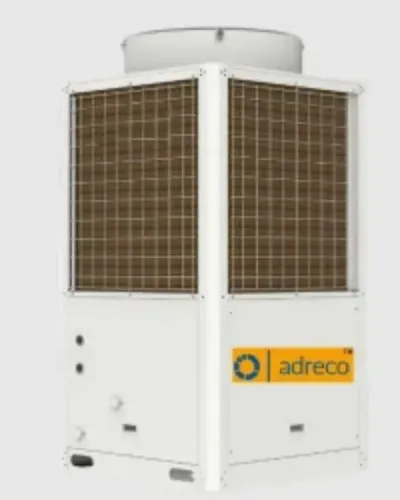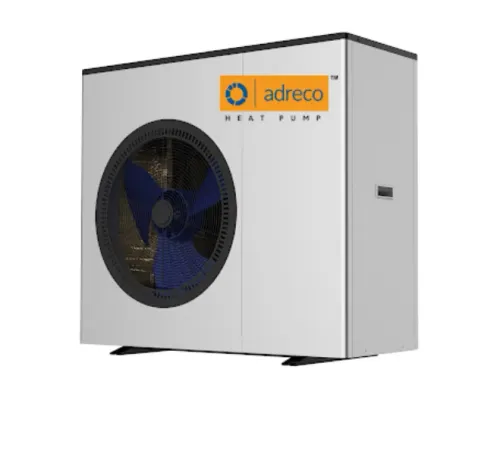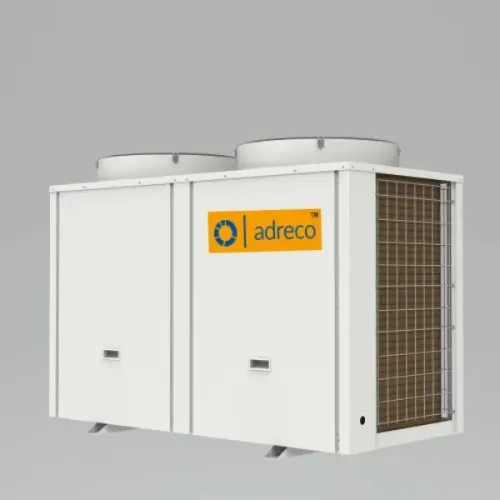


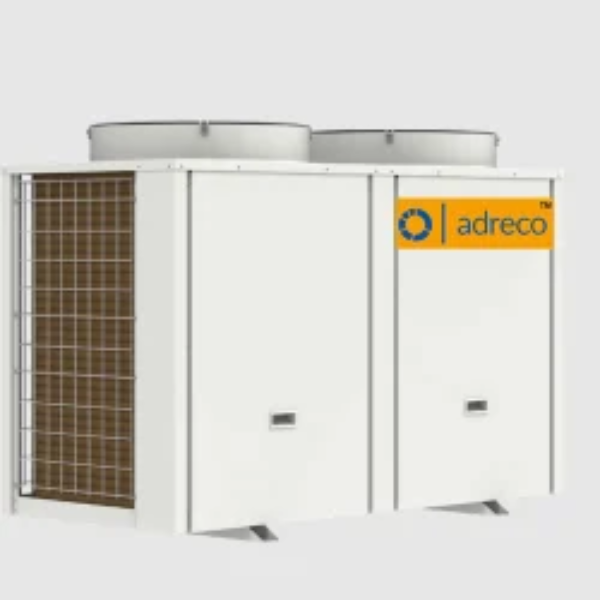
Many commercial and industrial heating applications require water at temperatures above those associated with conventional comfort heating. This creates a specific engineering challenge because heat pump performance changes as the required temperature lift increases. A High Temperature Heat Pump can be considered when a facility needs elevated hot-water temperatures while seeking to reduce dependence on conventional heating methods.
Businesses in Chandigarh evaluating process heating, hospitality hot water, institutional applications, and industrial utilities should first establish exactly how much temperature is genuinely required.
Start With the Required Temperature
A common selection mistake is specifying a higher temperature than the process actually needs.
If a process performs effectively at a lower supply temperature, designing around an unnecessarily high set point can increase energy consumption and place additional demands on the equipment.
The first evaluation should identify:
- Incoming water temperature
- Required outlet temperature
- Flow rate
- Daily operating hours
- Peak heating load
- Process temperature stability
- Available heat sources
These values determine the thermal duty more accurately than equipment capacity alone.
Temperature Lift Influences Performance
The difference between source temperature and required delivery temperature is often called temperature lift.
As this lift increases, the refrigeration system generally has to work harder. Consequently, a unit's performance at moderate water temperature should not automatically be assumed at higher delivery temperatures.
When comparing equipment, request performance information at conditions close to the intended application.
For example, a rating measured with warm ambient air and moderate outlet water may not accurately represent an installation requiring substantially hotter water during Chandigarh's winter conditions.
Where High Temperature Systems May Be Relevant
Potential applications include commercial hot-water generation, selected washing processes, industrial cleaning, food-processing support, hospitality facilities, healthcare infrastructure, and other processes requiring elevated water temperatures.
However, application suitability should be established through engineering assessment.
Integration Can Change the Economics
Replacing an existing heating source is not always an all-or-nothing decision.
Some facilities may use a heat pump to preheat water before another heating source raises it to the final temperature. Others may design the heat pump to cover a large portion of the normal load while retaining existing equipment for peaks or backup.
Such hybrid configurations can be useful when the highest required temperature occurs only occasionally.
Frequently Asked Questions
Can every heat pump produce high-temperature water?
No. The achievable temperature depends on compressor technology, refrigerant, system design, and specified operating envelope.
Does higher water temperature reduce efficiency?
Increasing temperature lift generally makes the refrigeration cycle more demanding, which is why actual performance data should be reviewed.
Can existing heating equipment remain in the system?
Yes, depending on project design. Existing equipment may sometimes serve as backup or peak-load support.
What information should a manufacturer receive?
Provide required temperature, inlet conditions, flow, operating schedule, heating load, available utilities, and installation environment.
A High Temperature Heat Pump should ultimately be selected around the real process rather than the maximum temperature printed in a specification sheet. Defining the necessary temperature, load profile, and operating conditions first leads to a more meaningful technical and financial evaluation.