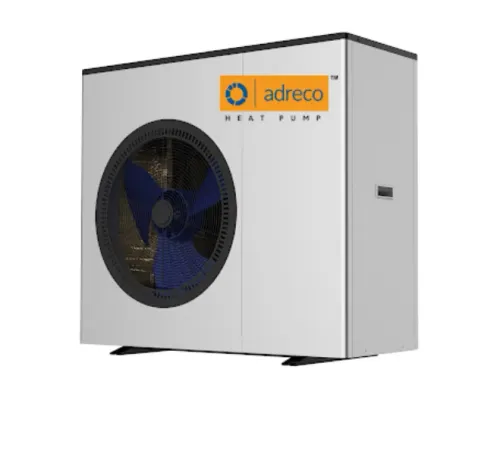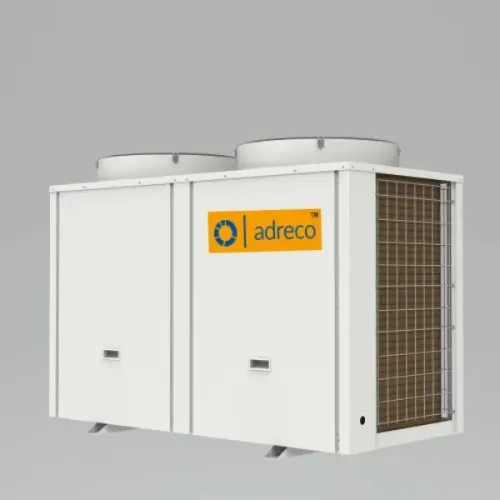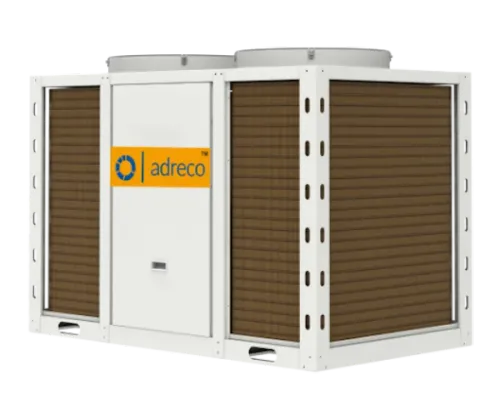


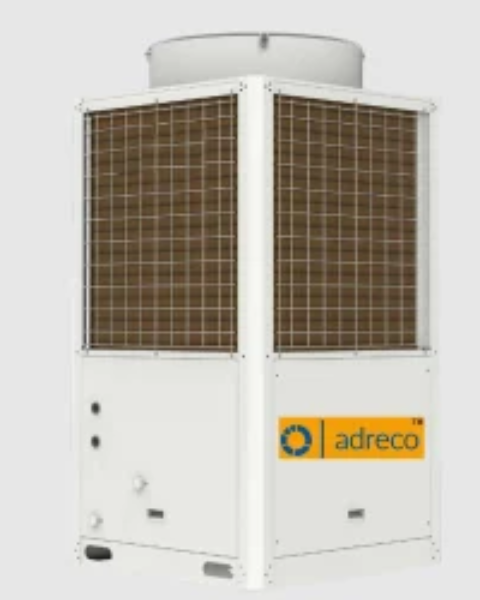
Drying can be one of the more energy-intensive stages in many processing operations because moisture must be removed while product conditions remain controlled. A Heat Pump Dryer offers a different approach by recovering and reusing thermal energy within the drying process rather than continuously exhausting heated air.
For manufacturers and processing businesses in Chandigarh, evaluating this technology requires more than comparing dryer capacities. Product characteristics, moisture targets, temperature sensitivity, airflow, batch size, and operating hours all affect the decision.
Begin With the Material Being Dried
Different products release moisture differently.
Agricultural produce, food ingredients, herbs, wood, industrial materials, and other products can each require specific temperature and humidity conditions. Excessive heat may affect colour, texture, dimensions, composition, or final quality in temperature-sensitive applications.
Before selecting equipment, define:
- Initial moisture content
- Required final moisture level
- Maximum acceptable product temperature
- Batch quantity
- Required drying duration
- Product dimensions and loading density
- Expected daily production
- Hygiene requirements where applicable
A dryer should be evaluated against the process rather than simply by chamber size.
Closed Loop Drying Can Improve Process Control
Many heat pump drying systems operate by circulating conditioned air through the drying chamber.
Moist air leaving the product passes through the refrigeration system, where moisture can be condensed. Heat recovered during the process is then reused to condition the drying air.
This approach can reduce dependence on continuously heating fresh incoming air and exhausting warm air outside.
Controlled temperature and humidity can also help create more repeatable drying conditions when the equipment is properly designed for the application.
Compare More Than Purchase Price
A lower equipment price does not necessarily mean a lower drying cost.
Businesses should evaluate electricity consumption per batch, drying time, usable loading capacity, labour requirements, maintenance needs, product yield, rejected material, and expected operating hours.
For a production facility running frequent batches, even relatively small differences in energy consumption and cycle duration can become significant over time.
Questions to Ask Before Selection
What temperature range can the dryer maintain?
Check whether the available operating range matches the product rather than assuming higher temperature is better.
How is humidity controlled?
Moisture removal is central to drying performance. Ask how the system manages both air temperature and humidity.
Can airflow reach the complete product load?
Poor air distribution can create uneven drying even when temperature is correct.
How should capacity be compared?
Capacity should be related to the specific product, initial moisture, final moisture requirement, and drying time.
Adreco Engineering Pvt Ltd serves heat pump and HVAC equipment requirements from Chandigarh, and projects involving a Heat Pump Dryer benefit from a detailed discussion of process conditions before equipment selection.
For manufacturers evaluating drying technology, the most useful comparison is therefore not simply one dryer against another. It is whether the proposed system can achieve the required moisture removal, product quality, cycle time, and operating efficiency under real production conditions.