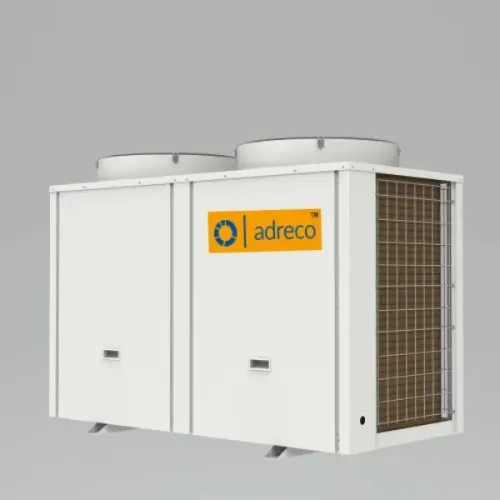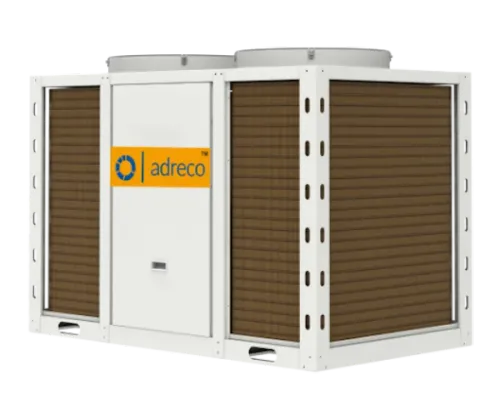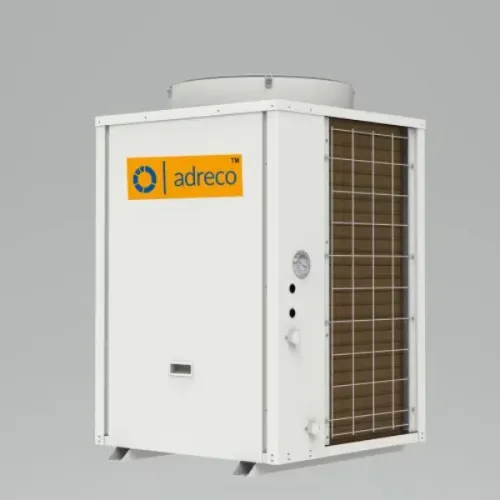


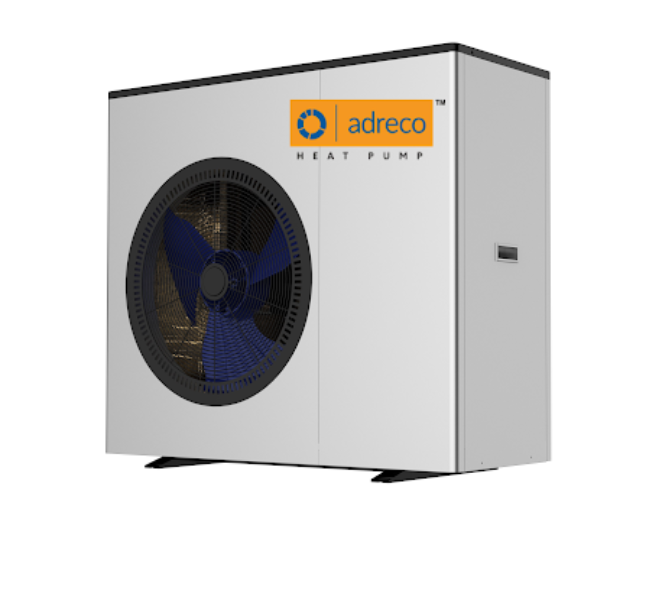
Household hot-water requirements may appear straightforward, yet demand can change considerably throughout the day. Morning showers, kitchens, wash areas, and other uses can create concentrated periods of consumption. Domestic Heat Pumps provide an energy-conscious approach to water heating by transferring environmental heat into stored water.
For villas, apartments, housing developments, guest houses, and residential projects in Chandigarh, the technology is worth understanding before selecting a water-heating system.
Start With Household Demand
Heat pump selection should begin with how hot water is actually used.
A small household with staggered shower times can have a different load profile from a larger family where several bathrooms are used during the same morning period. Residential developments also need to consider whether heating will be individual for each home or centralized for multiple units.
Useful planning questions include:
- How many people will regularly use hot water
- How many bathrooms are active during peak periods
- What storage capacity is available
- What water temperature is required
- How quickly stored hot water must recover
- Where the equipment can be installed
- Whether backup heating is required
These questions provide a more useful basis for sizing than simply selecting a unit according to the number of bedrooms.
Storage Capacity Has a Major Role
Domestic heat pump systems frequently work with insulated hot-water storage.
Storage allows heated water to remain available during periods when demand temporarily exceeds the heat pump's instantaneous heating capacity. Correct tank sizing can therefore improve both comfort and system operation.
An undersized tank may lead to insufficient hot water during peak use. An unnecessarily large tank can increase cost, footprint, and standing heat losses.
Good insulation is equally important because stored heat should remain available rather than being lost through the tank and distribution network.
Installation Space Needs Planning
An air-source heat pump requires suitable airflow.
Placing equipment in a restricted enclosure without considering air intake and discharge can affect performance. Noise, condensate drainage, service clearance, pipe routing, and accessibility should also be evaluated before installation.
For apartment developments in Chandigarh, these practical details are particularly important because available plant space may be limited.
Frequently Asked Questions
Can domestic heat pumps work during winter?
Suitable systems can operate in winter, but capacity and efficiency depend on ambient conditions and equipment design.
Do they provide instant hot water?
Many installations use storage, so the user receives hot water from the tank while the heat pump replenishes the stored heat.
Are they suitable for multiple bathrooms?
They can be, provided capacity and storage are calculated according to peak demand.
Do they need regular maintenance?
Routine inspection of components, airflow, controls, water-side systems, and general equipment condition helps maintain reliable operation.
Domestic Heat Pumps make the most sense when the complete hot-water requirement is considered from the beginning. Household demand, storage, installation conditions, winter performance, and distribution losses all influence whether the final system delivers convenient and efficient hot water.