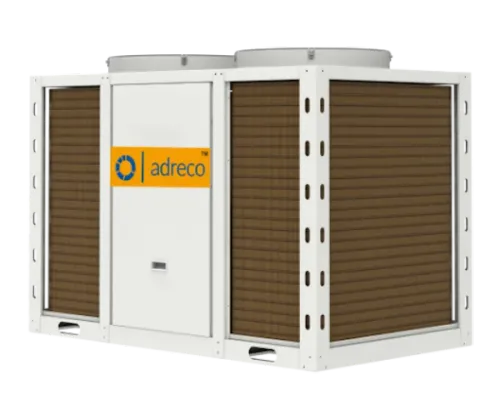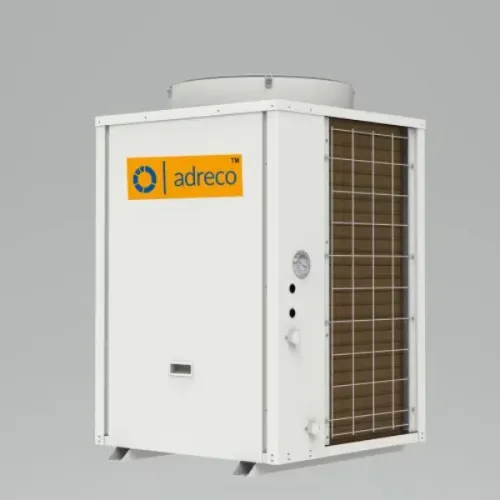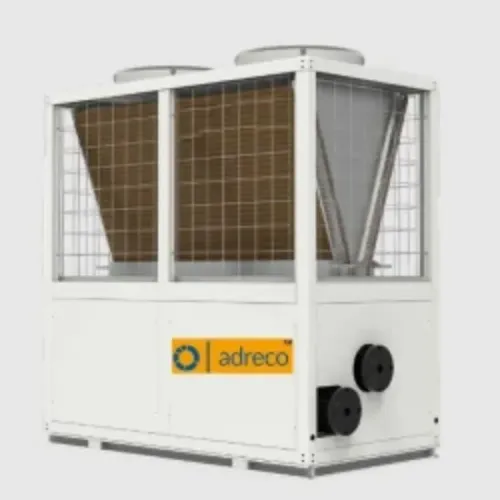


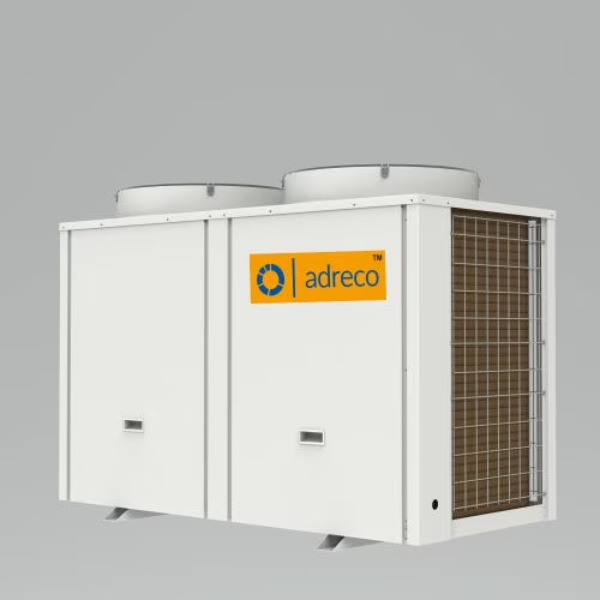
Air-source heat pumps depend partly on outdoor conditions, which means their performance changes as ambient temperature changes. This becomes particularly important during winter when a building may require more heating at exactly the time outdoor air becomes colder. An EVI Heat Pump is designed to improve heat pump operation under demanding temperature conditions.
EVI stands for Enhanced Vapour Injection. The technology is commonly used in heat pump systems intended to maintain useful heating performance across lower ambient temperatures.
What Enhanced Vapour Injection Does
A conventional refrigeration cycle includes compression, condensation, expansion, and evaporation. EVI technology modifies this process by introducing an additional refrigerant vapour injection stage into a suitably designed compressor.
The purpose is to improve refrigeration-cycle performance under operating conditions involving higher compression ratios.
In practical terms, this can support:
- Improved heating capacity at lower ambient temperatures
- Higher achievable water temperatures in suitable designs
- Better performance across demanding winter conditions
- Greater flexibility for space-heating and hot-water applications
Actual results depend on the equipment design, refrigerant circuit, compressor, water temperature, and ambient conditions.
Why Winter Performance Needs Attention
Heat pump capacity is not fixed under every operating condition.
As outdoor temperature falls, available heat in the air decreases and the refrigeration system works under different pressure conditions. At the same time, buildings may need additional heating.
This makes low-temperature performance data important when evaluating equipment.
In Chandigarh, winter temperatures can create significantly different operating conditions from those experienced during warmer months. Heating-system selection should therefore consider winter design conditions rather than relying only on performance measured at mild ambient temperatures.
Applications That May Benefit
EVI technology can be relevant where a project requires reliable heating across wider operating conditions.
Examples include central hot-water installations, hospitality projects, residential developments, healthcare facilities, commercial buildings, and selected industrial heating applications.
It may also be considered when higher water temperatures are needed, although the required outlet temperature must always be checked against the selected unit's operating envelope.
Defrosting Is Part of Cold Weather Operation
When an air-source heat pump operates in cold and humid conditions, frost can form on the outdoor heat exchanger. The system may periodically enter a defrost cycle to remove this accumulation.
Defrosting is normal for suitable air-source systems, but its frequency and impact should be considered when assessing seasonal performance.
Drainage also deserves attention because water produced during defrosting must be safely managed around the installation area.
Frequently Asked Questions
Is an EVI heat pump only useful in extremely cold regions?
Not necessarily. Its relevance depends on required water temperature, winter ambient conditions, system load, and the expected operating range.
Does EVI eliminate the need to check winter capacity?
No. Project teams should still review manufacturer performance data at the expected ambient and water temperatures.
Can EVI technology improve hot-water applications?
It can be suitable for applications requiring demanding temperature lifts, depending on equipment specifications.
Is every EVI system identical?
No. Compressor design, refrigerant, heat exchangers, controls, and overall system engineering influence performance.
Understanding EVI Heat Pump technology helps architects, HVAC contractors, facility managers, and project owners make more informed decisions about cold-weather heating. The key is to evaluate performance at the conditions the equipment will actually experience rather than treating one catalogue rating as representative of the entire year.