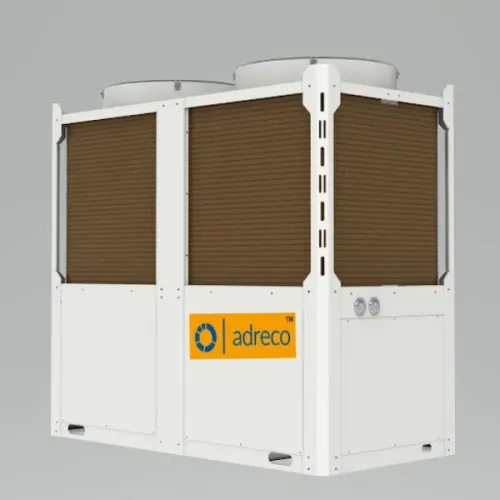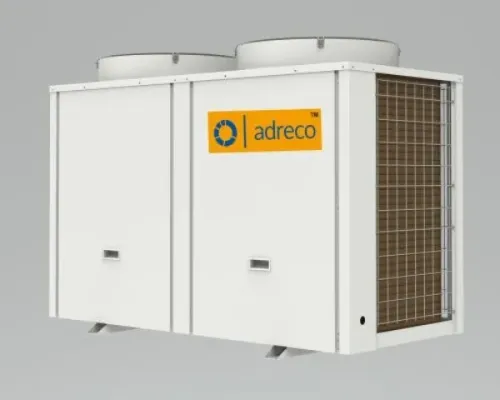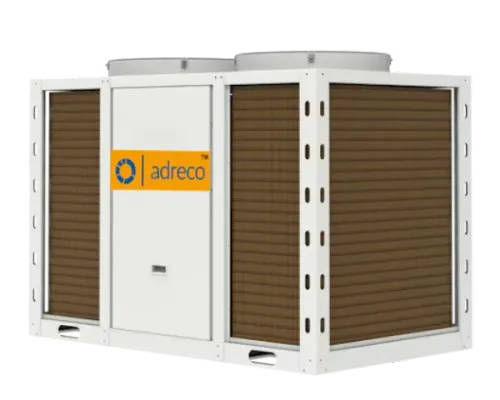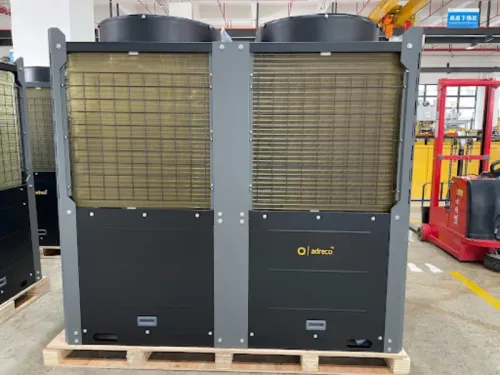


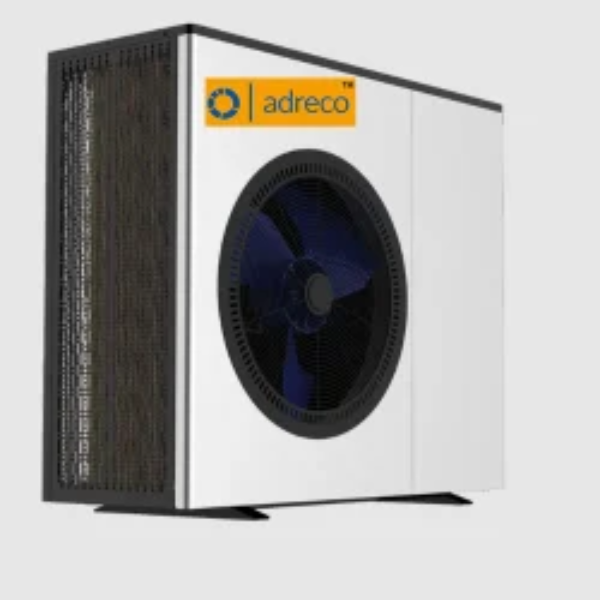
Heating demand rarely remains constant throughout the day. Outdoor temperature changes, occupancy varies, hot-water consumption rises and falls, and buildings move between peak and partial-load conditions. An Inverter Heat Pump is designed to respond to these changing requirements by adjusting compressor operation rather than relying only on fixed-speed cycling.
For property owners evaluating energy-efficient heating in Chandigarh, this capability can be especially relevant for applications with variable demand.
How Inverter Control Changes Operation
Traditional fixed-speed compressors generally operate at a set speed. When heating is required, the compressor switches on, then switches off after the target condition is achieved.
Inverter technology allows compressor speed to vary within the system's designed operating range.
When demand is high, the system can increase output. When demand falls, it can reduce compressor speed and continue operating at a lower capacity where conditions permit.
Partial Load Performance Matters
Buildings are not always operating at their maximum calculated heating load.
A system may need full output during demanding conditions but considerably less capacity during milder weather or periods of low occupancy. This makes partial-load operation important when comparing heating technologies.
An Inverter Heat Pump can potentially match output more closely to changing demand, although actual efficiency depends on equipment design, operating temperatures, controls, and system configuration.
Compare More Than Maximum Capacity
When evaluating inverter equipment, users should look beyond the largest capacity figure on a specification sheet.
Useful comparison points include:
- Modulation range
- Heating output under different conditions
- Electrical input
- Coefficient of performance
- Noise levels
- Water-temperature capability
- Ambient operating range
- Control functions
- Installation requirements
These details provide a more complete understanding of how the equipment may behave throughout an actual heating season.
Building Type Influences the Benefit
Hotels and resorts can experience major occupancy variations. Commercial buildings may have predictable working hours. Residential properties may have strong morning and evening demand. Healthcare facilities may require more continuous operation.
The potential value of variable-capacity heating therefore depends partly on the load profile.
A system that frequently operates below peak capacity may benefit differently from inverter technology than a process that maintains a stable full load for extended periods.
System Water Volume Needs Attention
Heat pumps operate as part of a hydronic system that may include storage tanks, buffer vessels, circulation pumps, valves, heat exchangers, and terminal units.
Proper system water volume and hydraulic design can help maintain stable operation. Controls also need to coordinate compressor modulation with actual heating requirements.
Simply installing inverter equipment without considering the surrounding system may limit the expected benefits.
Consider Chandigarh's Seasonal Changes
Heating loads in Chandigarh vary significantly between cooler winter periods and milder transitional weather.
This variation makes it useful to evaluate equipment across multiple operating conditions instead of comparing systems at a single outdoor temperature.
Building insulation, glazing, orientation, occupancy, and ventilation should also be considered when calculating space-heating demand.
Evaluate Lifecycle Performance
Adreco Engineering Pvt Ltd manufactures HVAC and heat pump solutions for residential and commercial applications. When evaluating inverter technology, project owners should discuss annual operating patterns alongside peak heating requirements.
Initial price remains relevant, but so do annual electricity consumption, operating hours, maintenance requirements, control quality, and expected service life.
An Inverter Heat Pump should ultimately be selected because its capacity range and controls suit the property's actual heating profile. Comparing real operating conditions rather than headline specifications gives homeowners, hotels, commercial facilities, and other users a stronger basis for making an informed heating decision.