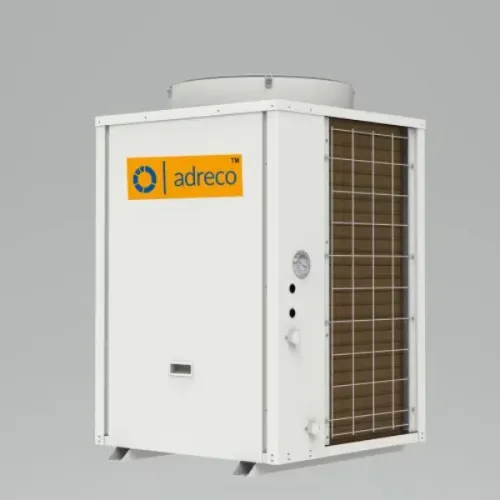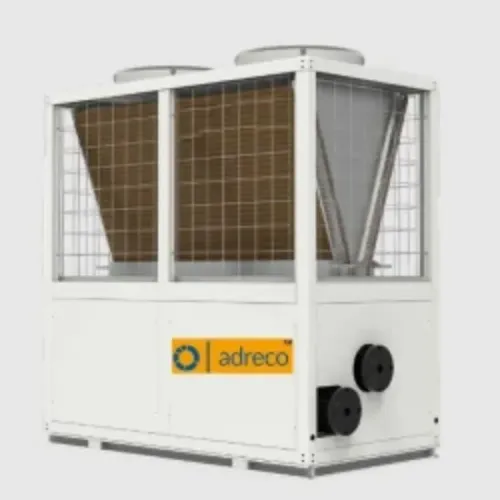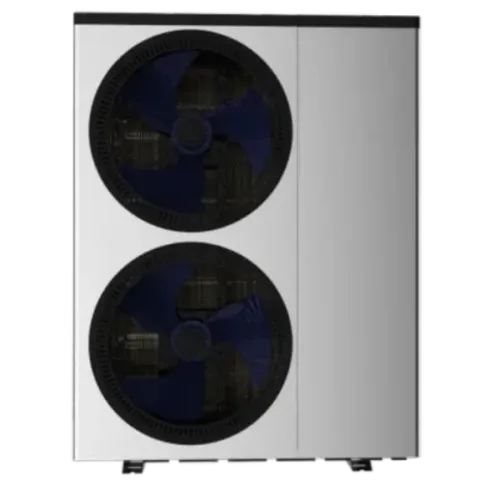


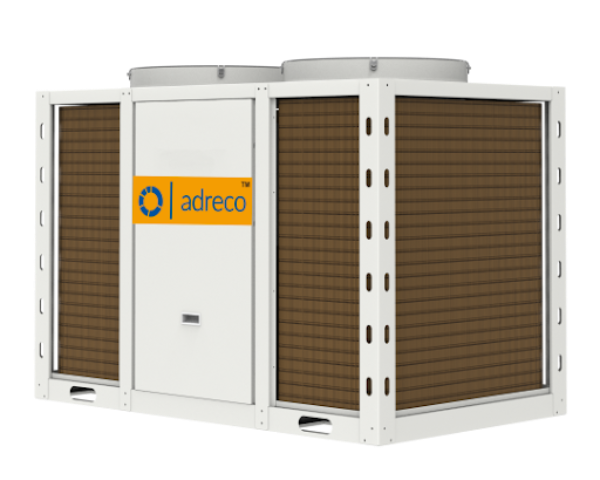
Swimming pools lose heat continuously through evaporation, convection, radiation, and contact with cooler surroundings. Outdoor pools are especially affected by changing weather conditions, while indoor pools can still experience substantial heat loss through evaporation. A Swimming Pool Heat Pump provides a controlled method of replacing this lost heat and maintaining water closer to the desired temperature.
For hotels, resorts, clubs, residential developments, wellness facilities, and private properties in Chandigarh, stable pool temperature can help extend usable swimming hours across changing seasons.
What Makes Pool Heating Different
Heating pool water is different from producing domestic hot water.
A pool contains a large volume of water, but the temperature increase required is usually moderate. Once the target temperature is achieved, the heating system primarily needs to compensate for ongoing heat loss.
The required heating capacity depends on several factors:
- Pool volume
- Surface area
- Indoor or outdoor installation
- Desired water temperature
- Ambient air temperature
- Wind exposure
- Operating hours
- Pool cover usage
- Filtration circulation schedule
This explains why two pools with similar dimensions may still require different heating capacities.
The Role of Evaporation
Evaporation is one of the most important sources of swimming pool heat loss.
Warm pool water exposed to cooler air continuously loses energy as moisture evaporates from the surface. Outdoor wind can accelerate this process. Indoor pools may have lower wind exposure, but ventilation and humidity control become additional considerations.
Using a suitable pool cover when the pool is not in use can significantly reduce evaporation and therefore reduce the amount of heat the heating system must replace.
How the Heat Pump Fits Into Pool Circulation
A pool heat pump is generally integrated with the circulation and filtration system. Water passes through the heating equipment, gains heat, and returns to the pool.
Correct flow is important. Excessively low flow can affect heat transfer and equipment operation, while an unsuitable hydraulic arrangement may create unnecessary pressure losses.
Pool operators should therefore view heating, circulation, filtration, and controls as interconnected parts of the same system.
Seasonal Conditions Matter
Chandigarh experiences meaningful seasonal temperature variation. A system that appears adequate during mild weather may operate very differently during colder periods.
When planning a Swimming Pool Heat Pump, designers should evaluate the lowest realistic ambient temperatures during the intended swimming season. Desired water temperature and required warm-up time should also be defined clearly.
A resort seeking extended winter pool use, for example, may have different requirements from a residential property that only needs occasional seasonal heating.
Frequently Asked Questions
How long does a heat pump take to warm a swimming pool?
There is no universal heating time. Pool volume, starting temperature, ambient conditions, heat-pump capacity, heat loss, and target temperature all influence warm-up time.
Should the heat pump run continuously?
Operating schedules depend on the installation. Once the desired temperature is reached, controls can manage operation according to water temperature and system settings.
Does a pool cover still matter when a heat pump is installed?
Yes. Reducing heat loss can decrease the heating load and help the system maintain temperature more efficiently.
Can one model be selected simply from pool size?
Pool volume is important, but it is not the only sizing factor. Climate, surface area, target temperature, exposure, and operating season also matter.
For swimming pool operators, comfortable water temperature depends on more than installing heating equipment. Good results come from matching heat-pump capacity with actual pool conditions while controlling avoidable heat loss.