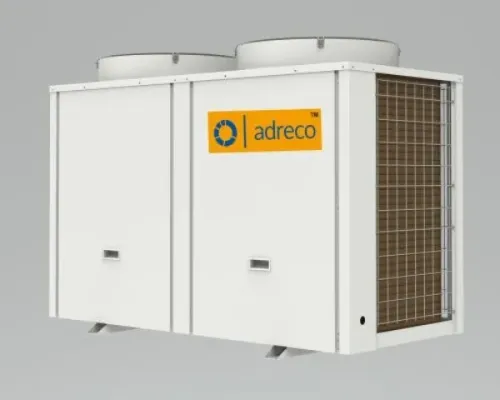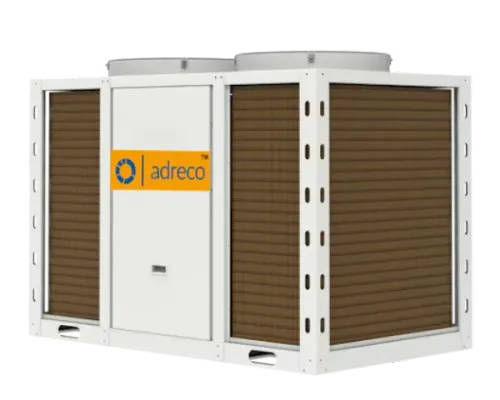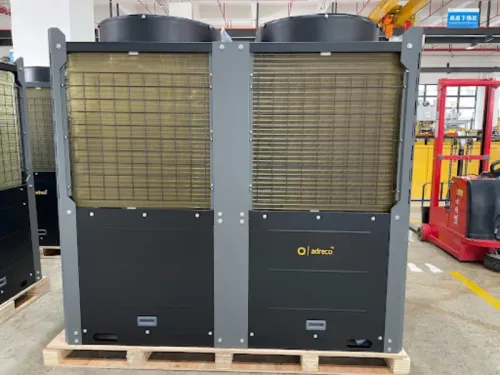


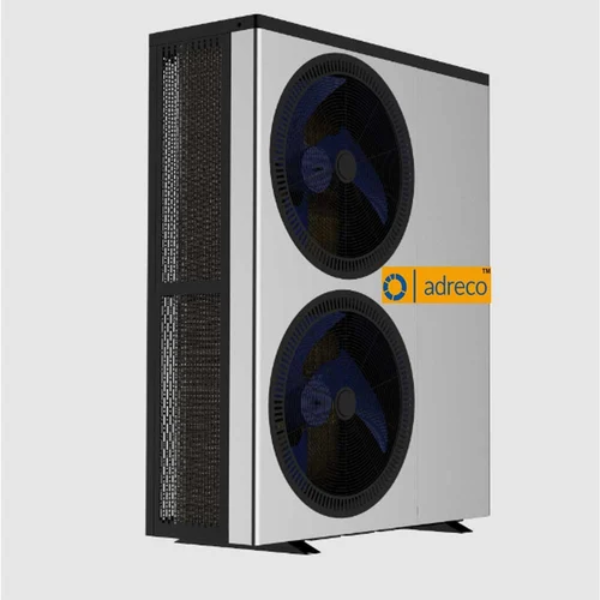
Energy efficiency has become a key consideration for modern commercial buildings. Hotels, hospitals, educational institutions, office complexes, manufacturing facilities, and residential developments are all looking for heating solutions that provide reliable performance while keeping operating costs under control. An Inverter Heat Pump is one technology that is helping achieve this balance.
Unlike conventional heating systems that repeatedly switch on and off at full capacity, inverter technology automatically adjusts compressor speed based on the building's heating demand. This allows the system to operate more efficiently, maintain stable temperatures, and reduce unnecessary energy consumption.
For developers, facility managers, and business owners in Chandigarh and across North India, understanding how an inverter heat pump works can help in selecting a heating solution that delivers long-term value.
What Is an Inverter Heat Pump?
An Inverter Heat Pump is a heating system equipped with a variable-speed compressor. Instead of operating at a fixed output, the compressor continuously adjusts its speed according to the heating requirement of the building.
When demand is high, the compressor increases its capacity. As the desired temperature is reached, it slows down rather than shutting off completely. This intelligent operation improves efficiency while maintaining consistent indoor comfort.
The result is a heating system that adapts to changing conditions throughout the day instead of operating at maximum capacity all the time.
How Does Inverter Technology Improve Performance?
Traditional heating systems often consume additional energy during every start-up cycle. Frequent stopping and restarting also increase wear on system components.
An inverter heat pump minimises these fluctuations by operating smoothly at variable speeds.
Some of the key performance advantages include:
- Stable indoor temperatures
- Lower electricity consumption
- Reduced compressor stress
- Faster temperature recovery
- Quieter operation
- Improved system efficiency
- Better comfort throughout the building
This makes inverter technology particularly valuable in facilities where heating demand changes throughout the day.
Where Are Inverter Heat Pumps Commonly Used?
The flexibility of inverter technology allows it to be used across a wide variety of commercial and institutional projects.
Common applications include:
- Hotels and resorts
- Hospitals and healthcare centres
- Educational campuses
- Commercial office buildings
- Apartment complexes
- Residential townships
- Industrial facilities
- Shopping centres
- Government buildings
Each project benefits from the ability to match heating output with actual demand rather than operating at a constant fixed capacity.
Why Energy Savings Matter
Heating is often one of the largest contributors to a building's utility expenses. Improving heating efficiency can have a noticeable impact on overall operational costs, especially in facilities that operate every day.
An Inverter Heat Pump helps improve energy performance by:
- Adjusting heating capacity automatically
- Reducing unnecessary electricity usage
- Maintaining efficient operation during partial loads
- Delivering consistent heating without frequent cycling
- Supporting sustainable building operations
Over the life of the equipment, these operational efficiencies can contribute to significant energy savings.
Factors to Evaluate Before Installation
Choosing the right inverter heat pump requires understanding the building's heating requirements.
Some important factors include:
- Total building area
- Heating load calculations
- Occupancy patterns
- Daily hot water demand
- Climate conditions
- Insulation quality
- Existing HVAC infrastructure
- Long-term expansion plans
Professional system planning ensures that the equipment is correctly sized and configured for reliable performance.
Why Proper Engineering Is Essential
An inverter heat pump performs best when it is integrated into a well-designed heating system. Equipment selection, hydraulic balancing, pipe sizing, controls, and commissioning all contribute to the overall efficiency of the installation.
For commercial, hospitality, institutional, and industrial developments in Chandigarh, many project teams involve experienced engineering specialists during the planning phase. Adreco Engineering Pvt Ltd designs energy-efficient heating systems that are tailored to different project requirements. The technical resources available through adreco.in also help architects, HVAC consultants, and facility managers understand the advantages of modern inverter-based heating technologies.
Making a Future-Ready Investment
An Inverter Heat Pump is more than an energy-efficient heating system—it is a long-term investment in operational performance, occupant comfort, and sustainable building management. By automatically adjusting to changing heating requirements, it delivers reliable performance while reducing unnecessary energy consumption.
For organisations planning new developments or upgrading existing facilities in Chandigarh and surrounding regions, investing in inverter heat pump technology can support lower operating costs, improved energy efficiency, and dependable heating performance for years to come.