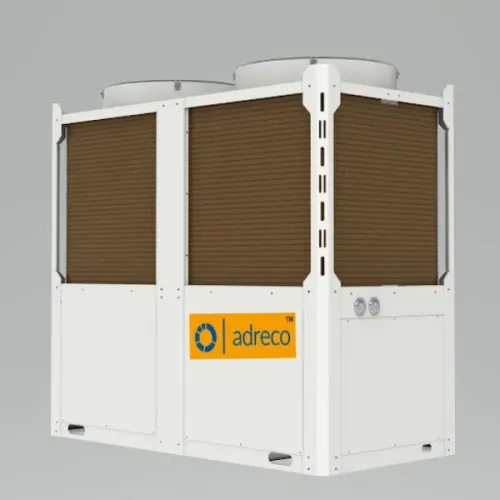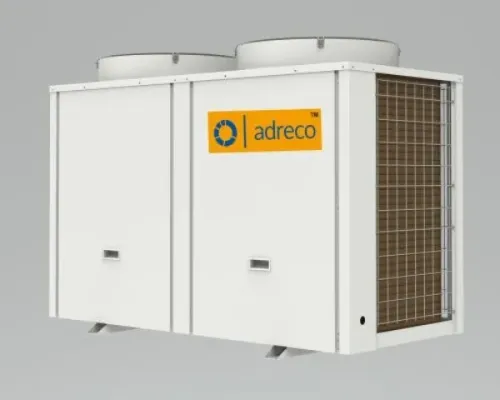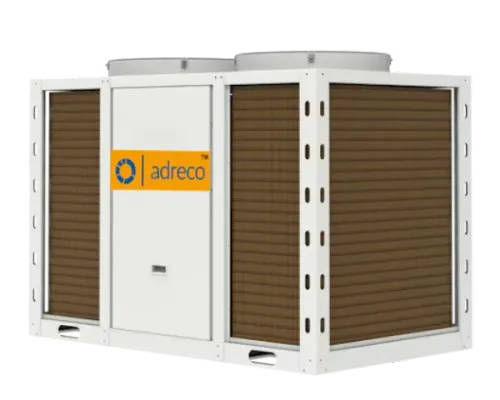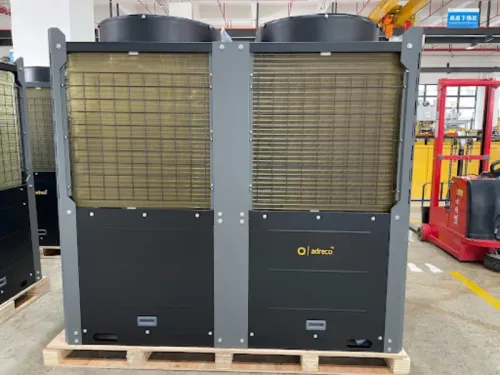


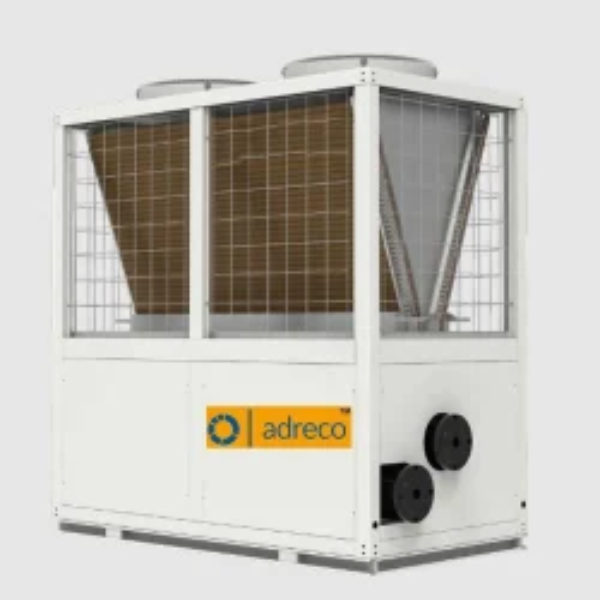
Solar energy and heat pump technology are both used to reduce dependence on conventional heating methods. A Solar Heat Pump arrangement can bring these technologies into the same energy strategy, but effective results depend on correct system design rather than simply combining two energy-efficient products.
For homes, hotels, institutions, and commercial properties in Chandigarh, the key is understanding how available solar energy and heating demand interact throughout the day and year.
Understand the Role of Each Technology
A heat pump transfers environmental heat into water or a building heating circuit using electricity.
A solar installation may contribute energy in different ways depending on system design. Solar thermal systems can directly collect thermal energy, while photovoltaic panels generate electricity that may help supply electrical loads, including heat pump operation.
The appropriate configuration depends on the project.
Heating Demand Rarely Matches Solar Availability Perfectly
One of the main planning challenges is timing.
Solar energy availability varies with weather, season, orientation, shading, and time of day. Hot-water or space-heating demand may occur when solar generation is limited.
This makes storage and controls particularly important in a Solar Heat Pump strategy.
A well-insulated hot-water storage tank can help retain energy produced during favourable periods for later use.
Begin With an Energy Assessment
Before selecting equipment, property owners should establish how much thermal energy is actually required.
Useful information includes:
- Daily hot-water consumption
- Peak hot-water periods
- Space-heating requirement
- Desired water temperature
- Existing electrical load
- Available roof or installation area
- Solar exposure
- Seasonal operating pattern
This data helps determine which system configuration is technically appropriate.
Avoid Oversizing Without a Clear Reason
Installing excessive heating or solar capacity does not automatically create better economics.
Oversizing may increase capital cost while producing energy that cannot always be effectively used. Undersizing, meanwhile, can leave the system unable to meet expected demand.
Sizing should therefore consider both annual consumption and peak requirements.
Controls Help Coordinate Energy Sources
A combined system may need to decide when to use available solar energy, when to operate the heat pump, when to charge thermal storage, and when auxiliary heating is necessary.
Good controls can help coordinate these functions automatically.
For commercial properties, monitoring energy production and consumption can also provide useful information for improving operating schedules over time.
Chandigarh Offers a Relevant Climate Context
Chandigarh experiences strong sunshine during substantial parts of the year alongside meaningful winter heating requirements.
However, general climate suitability should never replace a site-specific assessment. Roof orientation, shading from neighbouring structures, available space, building load, water usage, and electrical infrastructure all influence the feasibility of a combined heating approach.
Commercial buildings should also consider how their operating hours correspond with available solar generation.
Think in Terms of Lifecycle Value
Adreco Engineering Pvt Ltd operates in the heat pump and energy-efficient heating sector. When planning integrated heating, property owners should compare not only initial installation costs but expected energy production, annual heating demand, maintenance, controls, storage requirements, and projected operating expenses.
The most effective configuration is the one that matches the property's real energy profile.
A Solar Heat Pump approach can form part of a lower-energy heating strategy when solar availability, heat pump capacity, storage, controls, and actual thermal demand are considered together. Careful engineering is more important than simply adding renewable technologies, because the value of an integrated system depends on how effectively its components operate as one coordinated solution.