

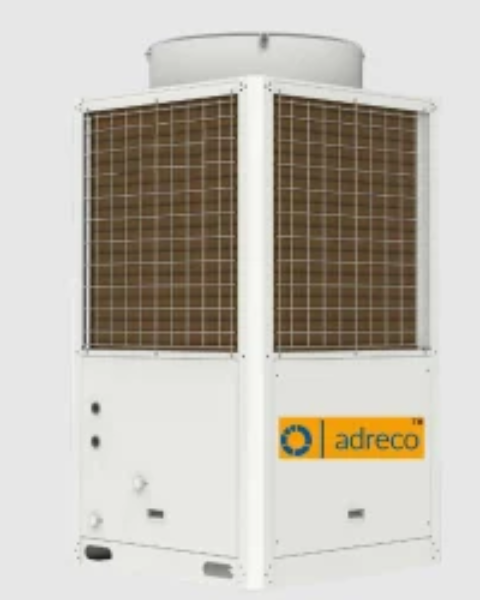
Drying is an energy-intensive process in many commercial and industrial applications. Conventional drying systems may continuously heat incoming air and discharge substantial thermal energy with exhaust air. A Heat Pump Dryer takes a different approach by recovering and reusing heat within a controlled drying cycle.
This makes heat pump drying relevant to businesses looking for greater control over temperature, energy consumption, and product quality.
Understanding the Heat Pump Dryer Cycle
A heat pump drying system circulates air through a closed or partially closed process.
Warm, dry air passes through the material being dried and absorbs moisture. The humid air then moves through the heat pump system, where moisture can be condensed out as the air is cooled.
Instead of simply discarding the remaining thermal energy, the system recovers heat and uses it to warm the air again.
This cycle can reduce the amount of new energy required during continuous drying.
Lower Temperature Drying Can Be Valuable
Not every product benefits from extremely high drying temperatures.
Certain foods, agricultural materials, herbs, wood products, textiles, and other temperature-sensitive materials may require controlled drying to help preserve desirable physical characteristics.
A Heat Pump Dryer can provide controlled air-temperature and humidity conditions depending on equipment configuration and process requirements.
This makes accurate process definition essential before selecting a system.
Moisture Removal Is the Real Objective
Drying should not be evaluated solely by the temperature of the air.
The objective is to remove a defined quantity of moisture from a product within an acceptable period while maintaining required quality.
Important project information therefore includes:
- Initial moisture content
- Required final moisture content
- Batch quantity
- Product characteristics
- Maximum acceptable temperature
- Required drying time
- Loading arrangement
- Airflow requirements
Two products with identical weights may require very different drying systems if their moisture characteristics differ.
Airflow Affects Drying Uniformity
Uniform air distribution is critical in drying applications.
If warm air follows the easiest path through a chamber, some areas may dry more quickly while other sections retain excessive moisture. Tray layout, product thickness, fan capacity, duct design, and chamber configuration therefore need careful consideration.
Operators should also follow recommended loading practices rather than overfilling trays to increase nominal batch quantity.
Commercial Applications Need Process Testing
For businesses in Chandigarh and surrounding industrial markets, heat pump drying can be considered where controlled dehydration forms part of production or processing.
Before scaling a drying process, it can be useful to establish the required temperature, humidity, airflow, batch duration, and target moisture level using actual product characteristics.
This reduces the risk of selecting equipment based only on chamber dimensions or heater capacity.
Efficiency Needs to Be Evaluated Per Batch
A system's rated electrical input provides only part of the energy picture.
Businesses should consider how much material can be processed in each batch, how long the cycle takes, how much moisture is removed, and how consistently the desired final condition is achieved.
Operational efficiency is meaningful when evaluated against usable production output.
A Process-Based Approach Produces Better Results
Adreco Engineering Pvt Ltd manufactures heating and heat pump solutions for varied applications. For drying projects, the technical discussion should begin with the material and process rather than the equipment alone.
Users should define what is being dried, how much moisture must be removed, acceptable temperature limits, expected production volume, and required cycle time.
A properly engineered Heat Pump Dryer combines heat recovery with controlled temperature, humidity management, and airflow. When these elements are matched to the product, heat pump drying can become a practical option for businesses seeking consistent drying with more efficient use of thermal energy.