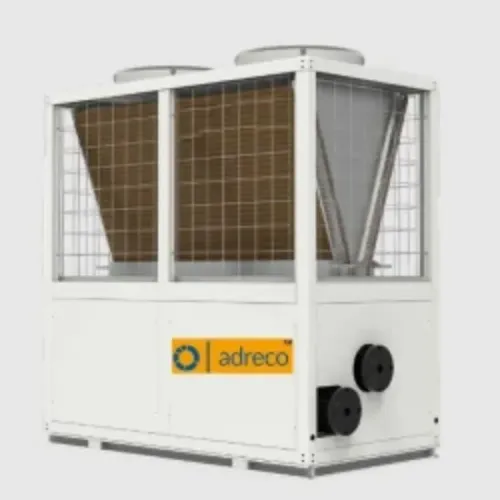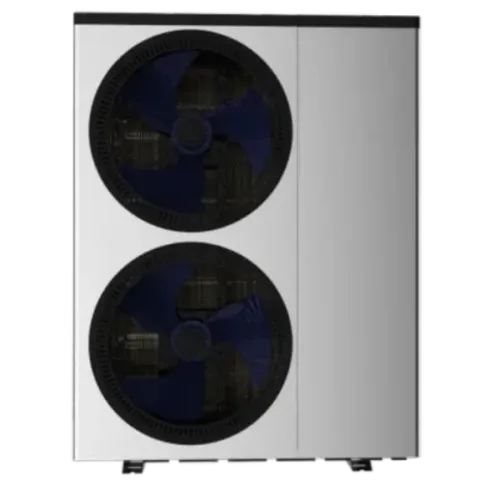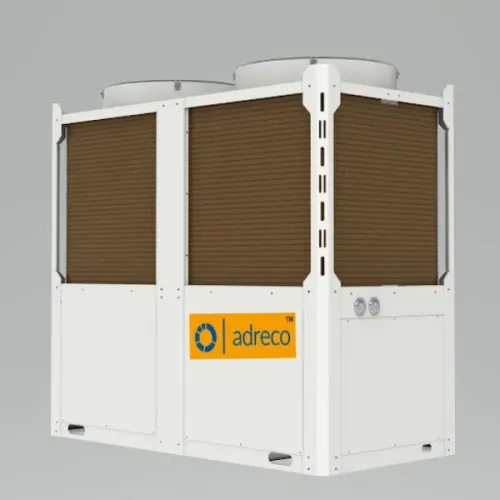


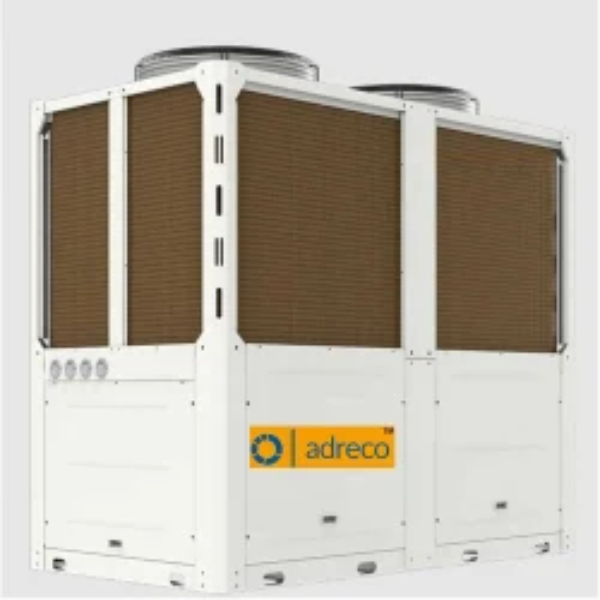
Many heat pump applications operate at moderate water temperatures, but some commercial and industrial requirements call for hotter output. Hotels, hospitals, food-processing facilities, laundries, institutions, and certain industrial operations may therefore investigate a High Temprature Heat Pump when conventional heat pump temperature ranges are insufficient.
Before selecting such equipment, decision-makers should define why the higher temperature is needed and whether the entire system is designed to operate at that level.
Start With the Required Temperature
The first question should be straightforward: what temperature does the application actually require?
Avoid specifying unnecessarily high temperatures simply because a higher-rated unit appears more capable.
As the required output temperature increases, operating conditions become more demanding. The efficiency and capacity of a heat pump may change depending on source temperature and output temperature.
The system should therefore be designed around the actual process or hot-water requirement.
Different Applications Have Different Needs
High-temperature hot water may be relevant to:
- Commercial hot-water systems
- Healthcare facilities
- Hospitality properties
- Industrial washing
- Selected food-processing operations
- Laundry applications
- Process-water requirements
- Existing heating systems designed for elevated water temperatures
Each application requires a separate technical assessment.
A hotel primarily requiring bathing water, for example, may have different temperature and storage requirements from an industrial washing process.
Check Performance Across the Operating Range
A nominal maximum outlet temperature tells only part of the story.
Buyers should ask what heating capacity and efficiency the unit provides at the expected ambient and water temperatures.
For Chandigarh installations, seasonal ambient changes should form part of this assessment, especially when an air-source system is expected to maintain high output temperatures during winter.
Review Existing Distribution Equipment
When replacing a boiler or integrating a heat pump into an existing installation, compatibility becomes particularly important.
The current system may contain:
- Storage tanks
- Heat exchangers
- Pumps
- Radiators
- Fan coils
- Process equipment
- Distribution piping
- Control valves
The required flow temperature and return temperature should be understood before selecting the new equipment.
Sometimes improving heat exchangers or reducing system temperature requirements can improve overall heat pump performance.
Don't Ignore Water Storage
Commercial hot-water demand often occurs in peaks.
Correctly sized insulated storage can allow heat pumps to produce hot water over a longer period and make it available when demand rises.
This can influence required heat pump capacity and operating strategy.
Storage temperature, usable volume, recovery time, and circulation losses should therefore be calculated as part of the complete design.
Look for Controls and Safety Provisions
Higher-temperature systems require appropriate controls, sensors, valves, piping, insulation, and safety devices.
Control logic may also coordinate heat pumps with backup equipment when required.
Adreco Engineering Pvt Ltd works with heating solutions for commercial, industrial, healthcare, hospitality, and institutional projects. Before recommending equipment, a provider should understand the required output temperature, demand profile, existing system, operating environment, and available electrical infrastructure.
Evaluate Lifecycle Performance
Purchase price alone gives an incomplete comparison.
Energy consumption, annual operating hours, maintenance, expected equipment life, backup requirements, and integration costs should all be reviewed.
A High Temperature Heat Pump can be appropriate when an application genuinely needs elevated water temperatures and the selected equipment can provide them effectively under real site conditions. A detailed engineering assessment helps determine whether high-temperature heat pump technology fits the application and how it should be integrated into the wider heating system.